










By Elise Reuter
Published October 21, 2026
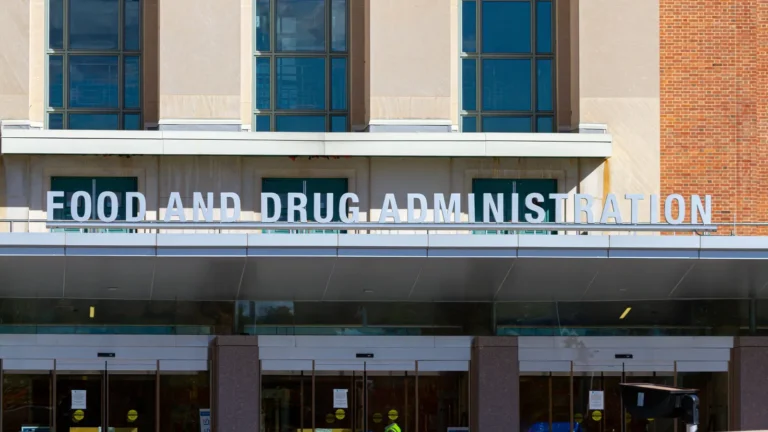
BOSTON — The Food and Drug Administration’s (FDA) Center for Devices and Radiological Health (CDRH) is currently navigating a period of unprecedented institutional turbulence. As the agency attempts to stabilize its operations following the seismic administrative shifts of the past two years, leadership is now aggressively pursuing a talent acquisition strategy to mitigate the damage caused by significant staff losses.
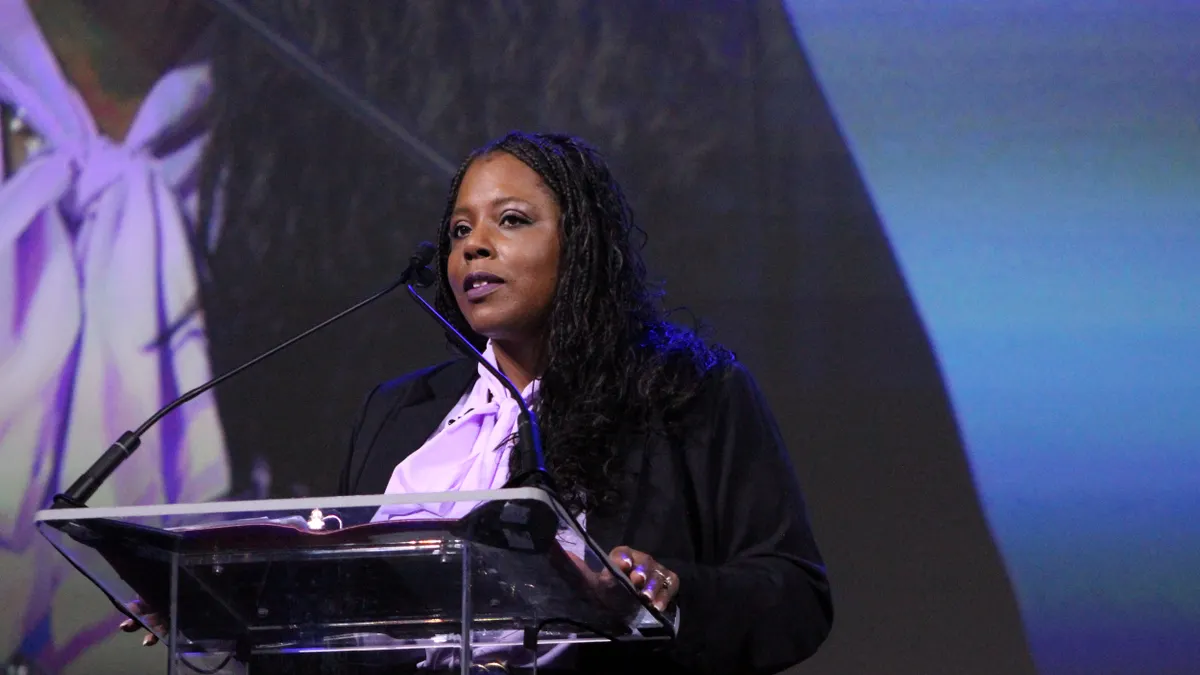
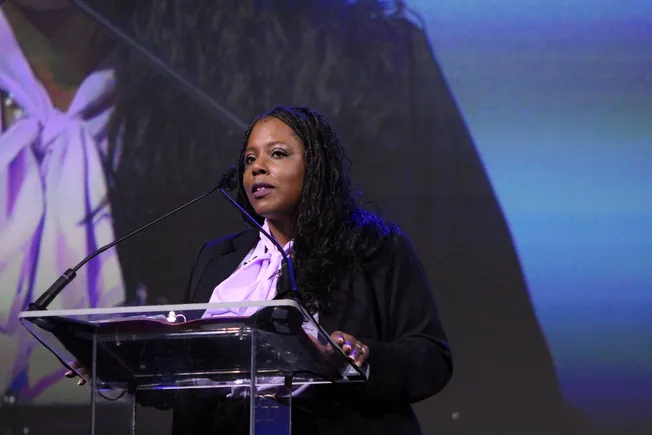
Dr. Michelle Tarver, director of the CDRH, addressed the state of the agency on Wednesday at AdvaMed’s The MedTech Conference, acknowledging that the center has been forced into a "herculean" recruitment effort to restore its capacity to regulate the rapidly evolving medical technology landscape.
The Scale of the Exodus: A 22% Attrition Reality
The figures provided by Dr. Tarver paint a stark picture of the challenges facing the CDRH. Over the past 18 months, the agency has endured an attrition rate of approximately 22%. While turnover is a standard component of federal employment, this level of departure—compounded by the chaotic nature of the preceding administrative cuts—has left critical gaps in the center’s infrastructure.
The impact is not distributed evenly. The CDRH has seen its ranks of clinical reviewers thinned by nearly 30%, a development that raises concerns regarding the speed and depth of medical device reviews. Perhaps most alarming for the future of healthcare innovation is the loss of specialists in artificial intelligence and digital health—sectors that represent the fastest-growing segments of the FDA’s portfolio.
"We are not done," Tarver stated during her keynote. "We’ve got to hire more because we recognize that our center regulates 250,000-plus devices. The mission is too vital to allow these vacancies to remain."
Chronology of Crisis: From Reorganization to Recovery
To understand the current state of the FDA, one must look back at the tumultuous early days of the Trump administration, which ushered in a period of severe instability for the Department of Health and Human Services (HHS) and its subordinate agencies.
Early 2025: The Sudden Cutbacks
In the first quarter of 2025, the HHS announced a sweeping plan to slash 3,500 FDA staff positions—an action that represented roughly one-fifth of the entire agency’s workforce. The execution of these cuts was widely criticized by industry experts and labor advocates for being "sudden and haphazard."
Reports from the period described a workplace in disarray: staff members arrived at their offices to find their security badges non-functional, and many received notification of their termination via email communications that contained inaccurate data. The logistical failures of the rollout led to a chaotic, inconsistent downsizing process where some employees were terminated, only to be later invited back as the agency realized the operational impact of its decisions.
Mid-2025: The Aftermath
Those who remained at the agency were left to manage the fallout. With fewer hands to handle the same, if not increasing, volume of device applications, the remaining staff grappled with unsustainable workloads. This created a "cascading failure" effect, where the stress of the environment likely contributed to the voluntary attrition that followed the initial layoffs.
2026: The Pivot to Recruitment
By the summer of 2026, the urgency of the situation forced a policy shift. Recognizing that the regulatory backlog posed a threat to both public safety and the economic health of the medtech sector, the administration authorized a massive hiring initiative to bring on 2,200 new personnel across the agency.
Supporting Data and Regulatory Targets
Despite the systemic headwinds, the CDRH has managed to outperform its specific hiring mandates for the current fiscal year. Under the Medical Device User Fee Amendments (MDUFA), the center had set a target of hiring 63 new staff members for fiscal year 2026.
Dr. Tarver confirmed that the CDRH has officially exceeded this goal, bringing in more than 65 new employees. While this is a positive indicator of the agency’s resilience, leadership is quick to note that it is only the beginning of a long-term recovery.
The struggle to maintain staffing levels is further complicated by the competitive nature of the job market. The FDA is competing for the same AI and software engineering talent as private tech giants and well-funded startups. When the agency loses these experts, it loses the institutional knowledge required to evaluate complex, software-driven medical devices—a reality that necessitates a more robust and attractive recruitment pipeline.

Official Responses and Strategic Outlook
Dr. Tarver’s address at The MedTech Conference was designed to reassure industry stakeholders that the FDA remains committed to its mission despite the recent turbulence.
"We have actually exceeded our hiring for fiscal year ’26 under the MDUFA commitment," Tarver noted, framing the success as a "testament to people recognizing how much that mission resonates with them."
However, the agency is under immense pressure to prove that it can maintain high standards of patient safety. Industry advocates, who previously voiced concerns over the slow pace of reviews during the "cracks" in the system, are watching closely to see if the new hires can be integrated effectively. The integration process is time-consuming, requiring extensive training for new clinical reviewers to ensure that they can navigate the complex regulatory requirements of the CDRH.
Implications for the Medtech Industry
The instability at the FDA has profound implications for the $500 billion medical device industry.
1. The Bottleneck Effect
For medical device manufacturers, the primary concern remains the "time-to-market." A diminished staff of clinical reviewers inevitably leads to longer wait times for 510(k) clearances and Premarket Approval (PMA) applications. As the CDRH rebuilds, companies may face continued uncertainty regarding review timelines.
2. Innovation Stagnation
The loss of AI and digital health experts is particularly concerning for the future of diagnostic tools and therapeutic software. If the agency lacks the technical expertise to evaluate cutting-edge technologies, the risk of "regulatory paralysis" increases, where companies may hesitate to invest in high-risk, high-reward innovations that the FDA is not yet equipped to review.
3. Regulatory Trust
The public and the industry rely on the FDA as the gold standard for global regulatory bodies. The erratic nature of the 2025 cuts damaged the agency’s reputation for predictability. Rebuilding that trust will require not only hiring numbers but also sustained, transparent performance in the coming fiscal years.

4. The Future of MDUFA
The success of the MDUFA program—which relies on user fees paid by manufacturers to fund the FDA’s review process—is directly tied to the agency’s ability to retain talent. If the FDA cannot demonstrate that these fees are effectively translating into efficient reviews, there will likely be significant friction during the next round of MDUFA negotiations.
Conclusion: A Long Road Ahead
The CDRH is currently in a race against time. While the recent hiring numbers suggest that the agency is on the right path, the loss of nearly a quarter of its workforce—including a significant portion of its most specialized talent—cannot be solved in a single fiscal year.
As the FDA continues to expand its workforce, the focus must shift from merely "filling seats" to ensuring that the new recruits are properly trained and integrated into a culture that can withstand future political volatility. For Dr. Tarver and her team, the goal is clear: to stabilize the regulatory foundation upon which the future of medical innovation is built.
The industry will be monitoring the upcoming quarterly reports from the agency, looking for signs that the "recruiting tear" is not just a temporary spike, but the start of a sustainable effort to rebuild the agency’s technical and clinical heart. As the MedTech sector continues to push the boundaries of what is possible in patient care, the strength of the FDA will remain the ultimate arbiter of success.