In the evolving landscape of preventative medicine, researchers are increasingly looking beyond single-organ health to understand the complex, interconnected nature of chronic illness. A groundbreaking study recently published in Frontiers in Nutrition sheds new light on this holistic approach, identifying a significant link between the dietary intake of Vitamin B2 (riboflavin) and Vitamin B6 (pyridoxine) and a reduced risk of advanced Cardiovascular-Kidney-Metabolic (CKM) syndrome.
As the medical community grapples with the rising prevalence of metabolic disorders, this study provides compelling evidence that simple nutritional adjustments could serve as a powerful tool in mitigating the progression of life-altering health conditions.
Main Facts: The Nexus of Nutrition and Disease
The study, which analyzed comprehensive data from 14,576 U.S. adults, reveals a striking inverse correlation: higher intakes of B2 and B6 are associated with a significant decrease in the likelihood of developing advanced CKM syndrome.
CKM syndrome is a diagnostic framework that acknowledges the symbiotic relationship between heart disease, kidney dysfunction, obesity, and diabetes. Rather than treating these conditions in isolation, the syndrome recognizes that damage in one metabolic pathway often precipitates failure in another. The research found that participants with the highest dietary intake of Vitamin B2 exhibited a 27% lower risk of advanced CKM syndrome (defined as stages 3 or 4) compared to those with the lowest intake. Vitamin B6 showed a similar protective trend, with high-intake groups displaying 26% lower odds.
Crucially, these findings were not merely a reflection of overall "healthy eating." Even after researchers adjusted for variables such as income, smoking habits, physical activity, and total diet quality, the protective association of these specific B vitamins remained statistically significant. This suggests that B2 and B6 play a unique, functional role in metabolic health that extends beyond the benefits of a general balanced diet.
Chronology: From Data Collection to Clinical Validation
The journey toward these findings began with the integration of vast datasets, spanning nearly a decade of public health tracking.
- 2011–2020: Researchers utilized the National Health and Nutrition Examination Survey (NHANES) to collect longitudinal data on dietary habits and health outcomes among thousands of American adults.
- The Methodology: Participants underwent two rigorous 24-hour dietary recalls to estimate their B-vitamin intake. Researchers categorized the severity of CKM syndrome, focusing on "advanced" stages, which indicate either a very high risk of cardiovascular disease or the presence of established disease.
- Validation Phase: To ensure the findings were not unique to the American population, the research team conducted a replication study using a separate cohort of 323 adults in China.
- Comparative Analysis: The team scrutinized six B vitamins—B1, B2, B6, B12, niacin, and folate—to determine which had the most profound impact. While B2 and B6 emerged as the primary influencers, niacin demonstrated a secondary, smaller association, and B1 and folate showed inconsistent links once lifestyle factors were controlled.
Supporting Data: Why B-Vitamins Matter
The biological mechanisms driving these results lie in the fundamental role B-vitamins play as "cofactors." In biochemistry, a cofactor is a non-protein chemical compound that is essential for an enzyme’s activity. Without these vitamins, the enzymes responsible for converting food into usable energy—and for regulating complex metabolic pathways—cannot function.
The Homocysteine Connection
A critical element in the study’s hypothesis is the regulation of homocysteine. Elevated levels of this amino acid are a well-documented marker for cardiovascular disease and impaired immune function. Both B6 and B2 are instrumental in the metabolic pathways that break down homocysteine. When these vitamins are deficient, homocysteine can accumulate, contributing to arterial damage and systemic inflammation.
Inflammation and Oxidative Stress
The study aligns with prior research, such as the Tufts University study of 1,205 Puerto Rican elders, which linked B6 deficiency directly to increased oxidative stress. By helping the body manage oxidative damage, B2 and B6 protect the vascular lining and renal tissue—the very tissues most susceptible to the degradation seen in advanced CKM syndrome.
The Role of Whole Foods
Unlike supplements, which the study did not measure, nutrients derived from food sources like poultry, fish, eggs, dairy, and leafy greens often arrive in a "nutrient matrix." For example, whole-grain products provide not only B vitamins but also low-glycemic carbohydrates that assist in glucose regulation, further reducing the burden on the insulin system.
Official Responses and Scientific Context
While the medical community has cautiously welcomed these findings, experts emphasize the distinction between correlation and causation. Because this was a cross-sectional study, researchers could not definitively prove that high B2 and B6 intake prevents CKM syndrome. It is possible that individuals who are already experiencing advanced illness may experience appetite changes or dietary restrictions that alter their B-vitamin intake, potentially biasing the results.
However, nutritionists and metabolic specialists argue that the consistency of the findings—observed across two disparate cultural and geographic cohorts—strengthens the argument for a causal link.
"The evidence suggests that we have been underestimating the protective capacity of specific micronutrients," noted one metabolic health researcher. "While we cannot yet prescribe these vitamins as a cure-all, the data suggests that ensuring adequate intake is a low-risk, high-reward strategy for long-term health."
Implications: A New Era for Preventative Health
The implications of this study are twofold: they influence both public health policy and individual dietary choices.
For Public Health
The study underscores the necessity of moving toward a more nuanced understanding of "preventative nutrition." Instead of broad-stroke advice to "eat more vegetables," health organizations may look toward specific micronutrient targets that have been proven to impact systemic metabolic health. The findings suggest that the current framework for treating CKM syndrome—often centered on pharmaceutical intervention—could be significantly enhanced by integrating nutrition-based interventions early in the patient’s diagnostic journey.
For the Individual
For the average consumer, the takeaway is clear: the focus should be on the quality of whole foods.
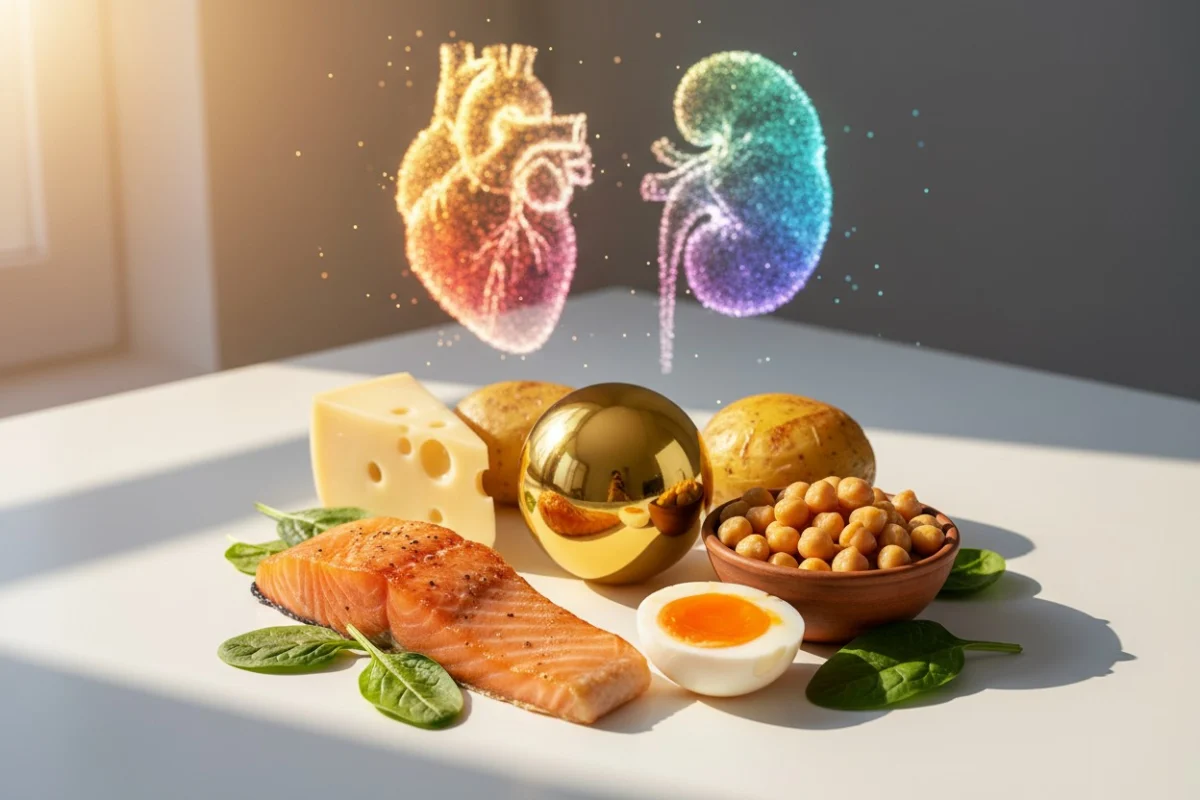
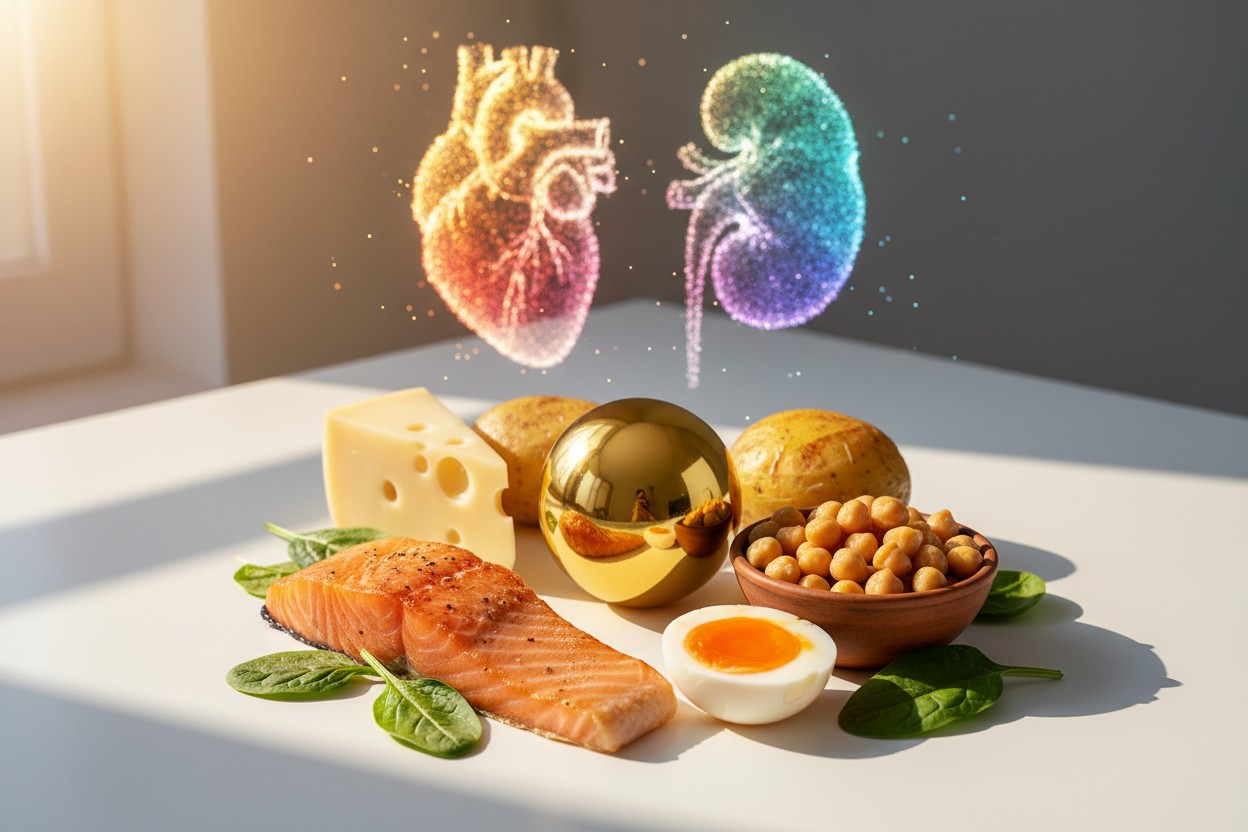
- Vitamin B2 (Riboflavin): Found abundantly in dairy products, eggs, lean meats, and dark, leafy green vegetables.
- Vitamin B6 (Pyridoxine): Highly present in poultry, fish, starchy vegetables like potatoes, and legumes such as chickpeas.
The Warning on Supplements
The study specifically notes that the researchers analyzed intake from food sources, not supplements. The scientific consensus remains that nutrients are best absorbed in their natural form, where they are accompanied by fiber, phytonutrients, and other minerals that work in synergy. Relying on a multivitamin cannot compensate for a diet lacking in nutrient-dense whole foods.
Looking Ahead
As the medical community continues to investigate the "interconnectedness" of the human body, this study serves as a milestone. It highlights that the body is not a collection of siloed organs but a metabolic ecosystem. The health of the heart is intrinsically linked to the health of the kidneys and the efficiency of the metabolism. By ensuring our bodies have the necessary "cofactors" like B2 and B6, we may be able to fortify our internal systems against the slow, progressive damage that leads to CKM syndrome.
The path forward will likely involve further longitudinal studies—specifically randomized controlled trials—to determine if targeted dietary increases of B2 and B6 can stop or even reverse the early stages of CKM syndrome. Until then, these findings provide a compelling argument for prioritizing nutrient-dense, whole-food nutrition as the primary line of defense in modern medicine.