By Gwendolyn Wu
Published August 24, 2026
In a sudden reversal of fortune for one of the biotechnology sector’s most prominent players, South San Francisco-based Cellares has announced a significant corporate restructuring, resulting in the termination of 100 employees. The move comes just two months after the company celebrated a massive $327 million Series D financing round, underscoring the volatility inherent in the burgeoning cell therapy manufacturing market.
The layoffs, which according to a WARN Act filing with California’s Employment Development Department will be finalized by October 20, represent a cooling period for a company that had previously been on an aggressive growth trajectory. The staff reductions primarily impact software engineering, quality control, design, and manufacturing specialist roles, signaling a shift in the company’s operational focus.
The Catalyst: A Major Contract Termination
The primary driver of this restructuring is the termination of a manufacturing partnership with an unnamed “large pharmaceutical customer.” Cellares CEO Fabian Gerlinghaus confirmed the development in a candid post on LinkedIn, framing the decision as a necessary adaptation to a changing business environment.
While the identity of the pharmaceutical partner remains confidential, the departure of such a client represents a significant blow to the company’s revenue projections and operational roadmap. In the high-stakes world of Contract Development and Manufacturing Organizations (CDMOs), reliance on large-scale partnerships is a double-edged sword: while these deals provide the capital necessary for infrastructure expansion, the abrupt withdrawal of a major player can necessitate rapid and painful adjustments to the workforce.
Chronology of a High-Growth Startup
To understand the scale of this restructuring, one must look at the meteoric rise of Cellares over the past several years.
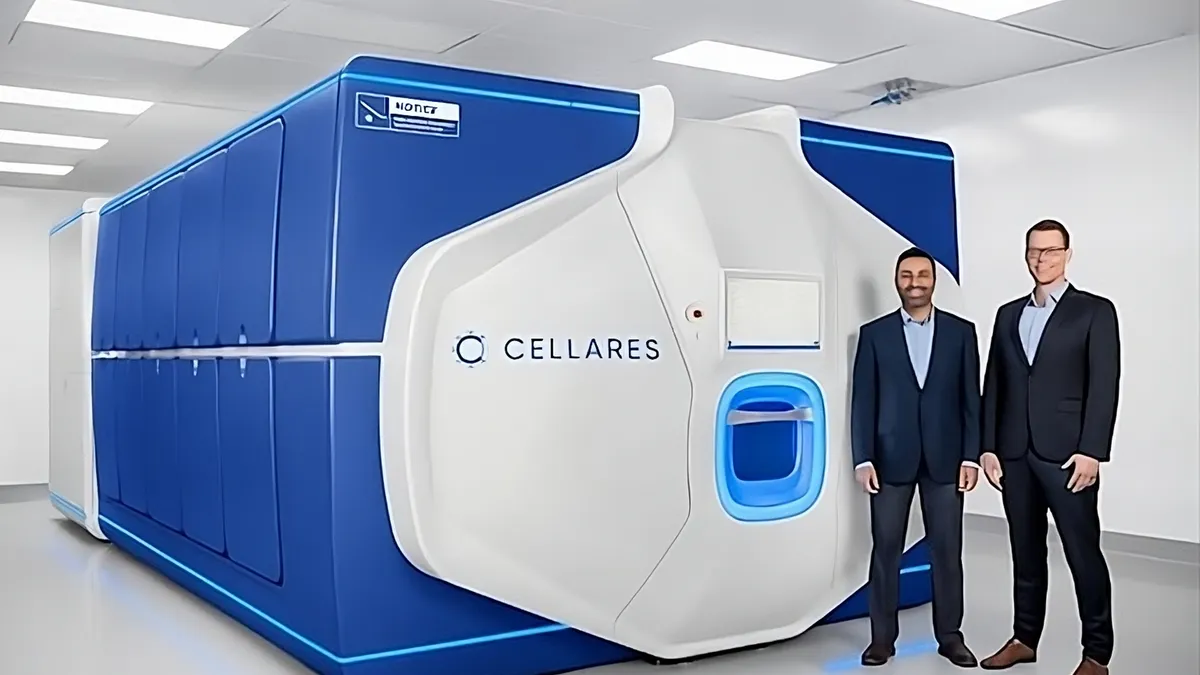
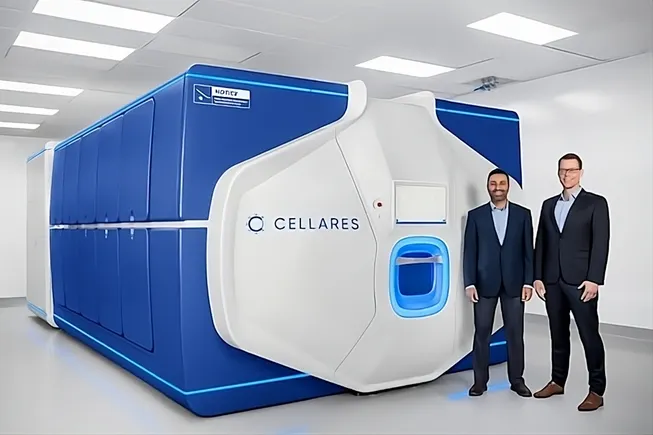
- Early Development: Cellares positioned itself as a pioneer in "integrated" cell therapy manufacturing, focusing on the automation of the labor-intensive production process. Their proprietary "Cell Shuttle" technology was designed to overcome the bottlenecks that have traditionally plagued the scaling of CAR-T and other cell-based therapies.
- Expansion Phase: Throughout 2024 and 2025, the company secured a series of high-profile partnerships, including deals with Bristol Myers Squibb (a deal worth $380 million in potential payouts), Sonoma Biotherapeutics, and Cabaletta Bio. These partnerships validated the company’s technology in the eyes of investors.
- June 2026: Cellares secured a $327 million Series D round, a massive infusion of cash intended to fuel global expansion. During the same period, the company was named the only cell therapy manufacturer selected for the FDA’s “pre-check” pilot program—an initiative designed to streamline regulatory reviews for new manufacturing facilities.
- August 2026: Following the loss of its unnamed client, Cellares announced the layoff of 100 employees and a pivot in its operational strategy.
Supporting Data: The Manufacturing Landscape
Cellares operates at the intersection of automation and biology. Cell therapy production has historically been a manual, costly, and error-prone process. By creating an automated, closed-system manufacturing platform, Cellares sought to lower the cost of goods sold (COGS) and improve the consistency of life-saving treatments.
The company’s infrastructure is expansive. With a primary manufacturing facility in New Jersey and ambitious plans to open new plants in Europe and Japan, Cellares was positioned to become the backbone of the next generation of oncology treatments. However, the loss of a major contract reveals the pressure these companies face. When a client terminates a contract, the facility utilization rates drop, leading to immediate financial strain.
The current economic climate for biotech startups is increasingly defined by "fiscal discipline." As interest rates remain high and venture capital becomes more selective, startups that were previously burning cash to build physical assets are now under pressure to demonstrate immediate profitability or, at the very least, a clear path to self-sustainability.
Official Responses and Corporate Outlook
In his LinkedIn statement, Gerlinghaus sought to reassure stakeholders, noting that the remaining partners in the Cellares ecosystem have reaffirmed their commitments. "The companies still aligned with Cellares have reiterated their commitment to working with Cellares, and several are already discussing additional programs, accelerating existing collaborations, and advancing with us toward commercial manufacturing," Gerlinghaus wrote.

A company spokesperson echoed this sentiment in an email to BioPharma Dive, emphasizing that despite the layoff, the company’s client base has seen growth. "We have more than doubled the number of customers we serve since the beginning of the year," the spokesperson noted. This suggests that while Cellares lost one "whale" of a client, the underlying demand for its automated manufacturing platform remains robust among smaller and mid-sized biotechs.
Implications for the Sector
The layoffs at Cellares are not an isolated incident but rather a symptom of a broader trend within the cell and gene therapy manufacturing sector. The industry is currently undergoing a "correction" phase. Many companies that expanded rapidly during the post-pandemic biotech boom are now trimming their sails.
For instance, Germany-based Evotec, a major player in the contract research and manufacturing space, announced in March 2026 that it would lay off 800 employees—its second major round of cuts in two years. These actions suggest that the manufacturing sector is shifting from a "build-at-all-costs" mentality to a more conservative, efficiency-driven model.
Key Implications:
- Risk of Dependency: The Cellares situation serves as a stark reminder to emerging CDMOs that relying on a single, massive pharmaceutical contract can pose an existential risk. Diversification of the client portfolio is no longer just a goal; it is a survival requirement.
- Regulatory Hurdles: Despite the setback, Cellares’ inclusion in the FDA’s “pre-check” pilot program remains a significant asset. This regulatory endorsement is a strong signal that the government views the company’s technology as a critical part of the future domestic manufacturing infrastructure.
- Automation as a Double-Edged Sword: While the "Cell Shuttle" offers efficiency, the fixed costs of maintaining such complex, automated infrastructure are significant. The company must now manage the delicate balance of maintaining these high-tech facilities while managing a fluctuating headcount.
Looking Ahead: Can Cellares Rebound?
The road ahead for Cellares will likely involve a renewed focus on its most profitable partnerships and a streamlining of its international expansion plans. While the loss of 100 staff members is a significant hurdle, the company’s recent $327 million capital raise provides a substantial cushion that many other struggling startups do not have.
The ultimate success of Cellares will hinge on its ability to prove that its "Cell Shuttle" can consistently deliver at scale. The pharmaceutical industry is historically risk-averse; if Cellares can demonstrate that its technology reliably reduces the timeline for clinical manufacturing, they will likely recapture the momentum lost in this recent contract termination.

For now, the biotech industry is watching closely. The contraction at Cellares reflects the growing pains of a sector that is still in its infancy. As cell therapies move from clinical trials to broad commercial availability, the companies that manage to balance technological innovation with fiscal resilience will be the ones that survive to define the next era of medicine.
As October 20 approaches, the focus for the company’s leadership will be twofold: supporting the departing employees through their transition and ensuring that the remaining team can continue to meet the stringent demands of their existing partners. Whether this move is a minor detour or a sign of deeper structural issues will only become clear as the company reports its progress in the coming fiscal quarters.