For millions of individuals worldwide, the daily experience of living is dictated by the proximity of a bathroom. It is a silent, isolating struggle: the urgency of diarrhea, the discomfort of persistent bloating, and the sharp, unpredictable stabs of abdominal pain that can rival the intensity of childbirth. This is the reality for those living with Irritable Bowel Syndrome (IBS), a condition so debilitating that some patients have indicated they would trade a decade of their life expectancy for an immediate and permanent cure.
While often dismissed by the public as a minor inconvenience, IBS is a formidable health challenge. Recent research involving nearly 2,000 patients revealed that the burden of this disorder is so profound that many would accept a one percent risk of sudden death if it guaranteed the cessation of their symptoms. This sobering statistic underscores a critical truth: IBS is not merely a digestive nuisance; it is a life-altering condition that erodes social connection, mental well-being, and professional productivity.
Understanding the "Spastic Colon": A Modern Definition
Historically, IBS was frequently misunderstood and even stigmatized. Years ago, when diagnostic imaging revealed no visible inflammation, infection, or structural damage to the bowel wall—unlike Crohn’s disease or ulcerative colitis—many clinicians incorrectly labeled the disorder as purely psychological.
Modern medicine has undergone a paradigm shift. Experts now classify IBS as a functional neuro-gastrointestinal disorder. This definition highlights that the issue lies in the communication pathways. Specifically, the nerves connecting the gastrointestinal (GI) tract to the brain are not functioning optimally. This miscommunication leads the brain to perceive normal digestive processes as painful or to trigger erratic bowel motility, resulting in the signature symptoms that define the condition. Affecting approximately 14 percent of the global adult population, it remains the most commonly diagnosed digestive disorder worldwide.
The Chronology of Symptoms and Diagnostic Challenges
IBS is notoriously difficult to diagnose because its symptoms are highly heterogeneous. There is no single "IBS look." A patient might experience months of relative calm, only to be struck by a severe flare-up lasting weeks.
The Spectrum of Symptoms
The clinical presentation of IBS generally falls into four categories, which dictate the focus of treatment:

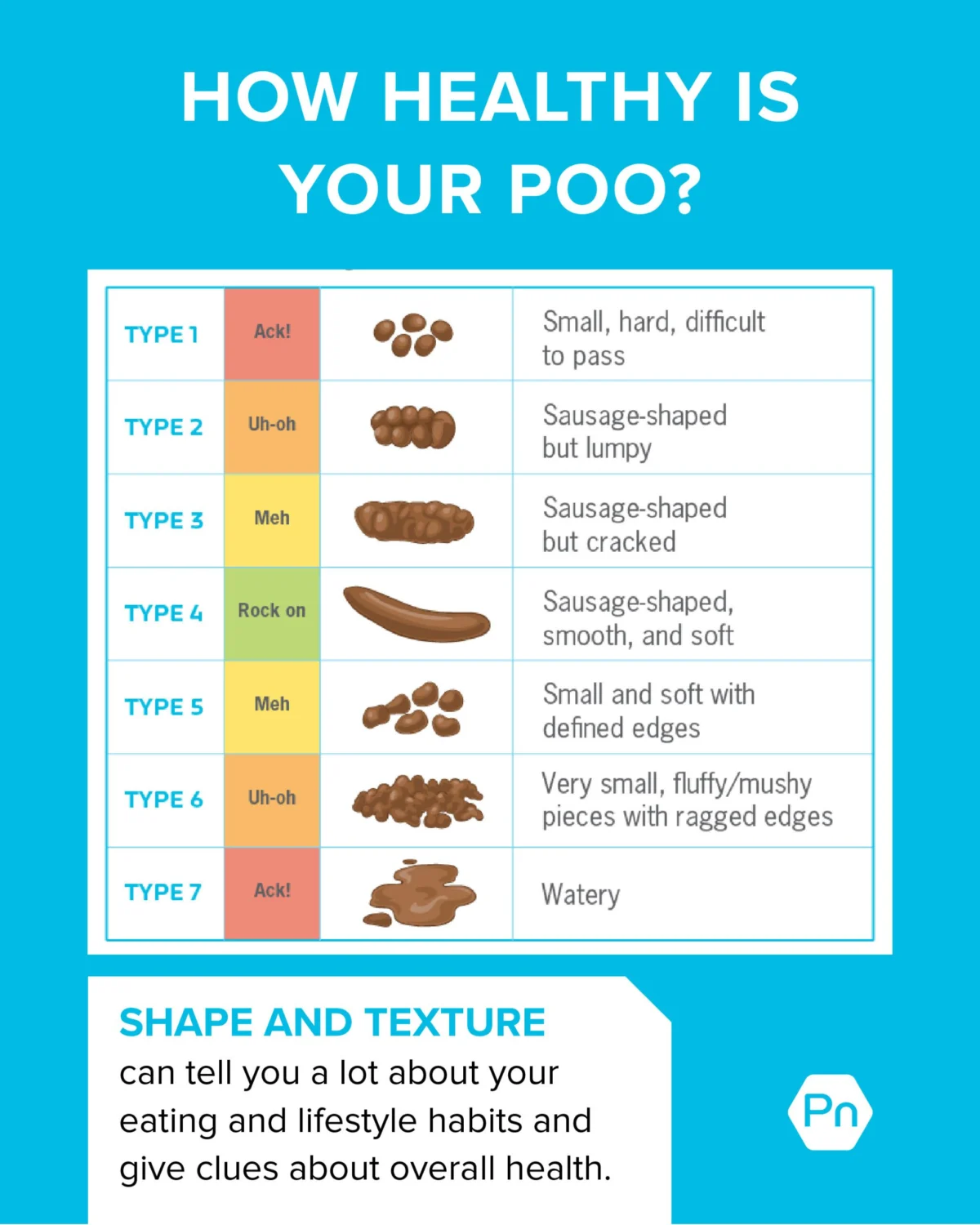
- IBS-C (Constipation-dominant): Characterized by infrequent, difficult-to-pass stools.
- IBS-D (Diarrhea-dominant): Marked by frequent, urgent bowel movements.
- IBS-M (Mixed): A frustrating alternation between both extremes.
- IBS-U (Unclassified): Symptoms that do not fit neatly into the above categories.
Because these symptoms overlap with celiac disease, inflammatory bowel disease (IBD), infections, and even colorectal cancer, a professional medical evaluation is non-negotiable. Patients should seek immediate medical attention if they experience "red flag" symptoms, such as unexplained weight loss, nocturnal diarrhea, rectal bleeding, or the sudden onset of symptoms after age 50.
Supporting Data: The Mental Toll of GI Anxiety
The impact of IBS extends far beyond the gut. The constant vigilance required to manage potential flare-ups leads to a condition known as gastrointestinal-specific anxiety. This pervasive worry often forces individuals to map out their lives around the availability of private, sanitary restrooms. The psychological weight of this condition is so heavy that studies consistently show patients with IBS report a lower quality of life than those living with chronic illnesses like diabetes or heart disease.
The physiological drivers of this anxiety are rooted in the gut-brain axis. Stress hormones like cortisol and norepinephrine, released during periods of high anxiety, directly stimulate the GI tract, worsening motility issues and increasing pain sensitivity. It is a vicious cycle: the gut hurts because the patient is stressed, and the patient is stressed because the gut hurts.
Professional Insights: A Multi-Disciplinary Approach
Sarah Maughan, a PN Super Coach certified through Monash University—a global leader in gut health research—emphasizes that while IBS is complex, it is not hopeless.
"My hope is for everyone with IBS to know they have options," Maughan explains. "Whether that’s turning to a physician for medical management or a health coach to implement lifestyle modifications, there is a path forward."
Maughan advocates for a shift away from the "all-or-nothing" mentality. She notes that many clients fear that identifying food triggers will make their lives more restrictive. Instead, she reframes the process as gaining "data" on one’s own body. With this knowledge, individuals gain the autonomy to choose when to indulge and when to be cautious, transforming a source of fear into a tool for empowerment.

Five Evidence-Based Strategies for Management
For those looking to mitigate the impact of IBS, research points to five key lifestyle pillars that can calm the nervous system and stabilize the gut.
1. The Role of Physical Activity
Regular, moderate exercise is one of the most effective non-pharmacological interventions. Studies have shown that a consistent routine—such as walking for an hour, three times a week—can significantly reduce bloating and pain within 12 weeks. Beyond its physical benefits, exercise helps regulate the nervous system, potentially improving the communication between the gut and the brain.
2. Nervous System Regulation
Since stress is a primary trigger for many, managing the "internal climate" is vital. This doesn’t mean simply telling oneself to "stop being stressed." Rather, it involves practical tools like breathwork, yoga, and gentle movement. By focusing on the "sphere of control"—prioritizing one’s mindset and reactions over external stressors—clients often find their digestive symptoms become more manageable.
3. The Art of Mindful Eating
"Slow down" is a classic coaching mantra for a reason. Eating quickly, especially while distracted, often leads to swallowing excess air and incomplete mechanical breakdown of food. By chewing thoroughly and eating in a relaxed environment, patients reduce the mechanical burden on their stomach and lower the stress-hormone spikes that can trigger intestinal pain.
4. Prioritizing Restorative Sleep
IBS is strongly linked to sleep disturbances. Poor sleep quality leads to higher baseline levels of stress hormones, which inevitably worsens gut sensitivity. Establishing a pre-sleep routine—such as journaling, meditation, or light stretching—can help break the cycle of fatigue and pain.
5. Investigating Dietary Triggers
Diet is rarely the sole cause of IBS, but it is a major factor in symptom management. Common culprits include:

- FODMAPs: Fermentable carbohydrates that can draw water into the gut and produce gas.
- Caffeine and Alcohol: Known irritants to the intestinal lining.
- High-Fat Foods: These can slow transit time and induce discomfort.
Rather than a permanent restrictive diet, many experts suggest a temporary elimination diet—conducted under professional guidance—to identify personal triggers.
The Coach’s Scope of Practice
For health coaches, navigating the world of IBS requires a firm understanding of boundaries. Coaches are not medical professionals and cannot diagnose IBS or prescribe medical treatments. However, they play a critical role in helping clients implement the lifestyle changes recommended by doctors.
| DO | DON’T |
|---|---|
| Encourage medical screening for a diagnosis. | Diagnose a client with IBS. |
| Support lifestyle experiments (like food journals). | Prescribe restrictive diets as a "cure." |
| Collaborate with the client’s medical team. | Contradict a doctor’s medical advice. |
| Provide tools for mindful eating and stress management. | Promise that lifestyle changes will eliminate all symptoms. |
Implications: A Future of Integrated Care
The future of IBS management lies in the integration of medical science and lifestyle coaching. As we learn more about the gut microbiome and the complexities of the enteric nervous system, the stigma surrounding IBS continues to fade.
For the person living with IBS, the message is one of cautious optimism. By combining professional medical oversight with evidence-based lifestyle habits, the "invisible" disease becomes something that can be understood, managed, and ultimately, lived with in a way that restores the quality of life. Knowledge, as Maughan suggests, is the ultimate form of power. By turning the "data" of one’s own body into actionable choices, patients are no longer prisoners of their own digestion—they are active managers of their health.