In the rolling pastures of Oxfordshire, a culinary revolution is taking place—not just in the flavor profiles of the region’s renowned cheeses, but in the microscopic landscapes living within them. A groundbreaking study conducted by researchers at the University of Reading has unveiled that the complex, savory notes of British artisan cheeses are driven by a diverse array of bacteria, many of which may offer significant health benefits to consumers.
The research, published in the journal ACS Food Science & Technology, bridges the gap between traditional craftsmanship and modern nutritional science. By analyzing the maturation processes of three distinct cheeses from the Nettlebed Creamery, scientists have confirmed that the very microbes responsible for creating distinctive textures and aromas are also potential allies for human gut health.
Main Facts: The Science of Maturation
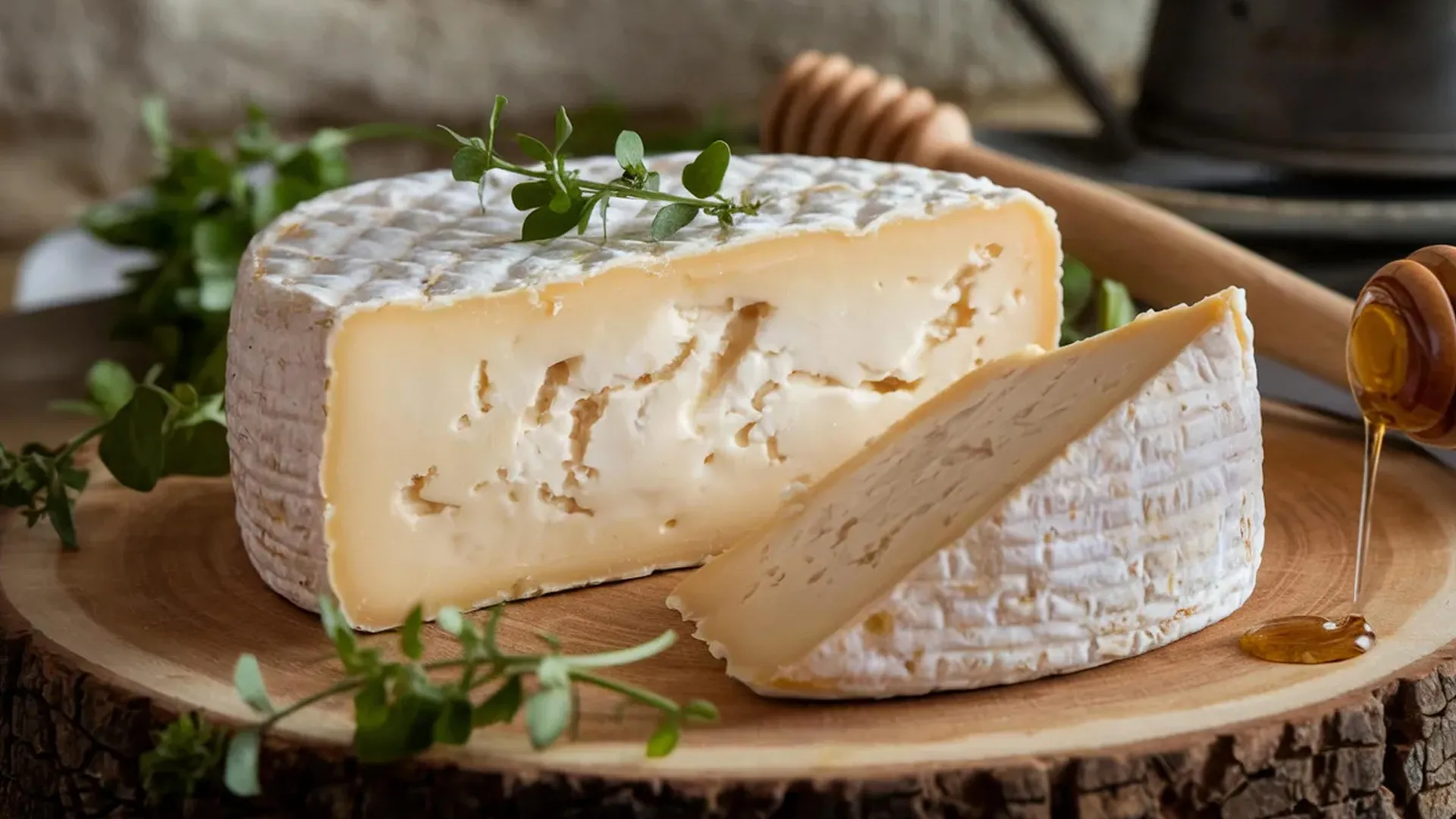
At the heart of this study is a fundamental question: what happens inside a wheel of cheese as it transforms from fresh curd to a complex, aged product? The Food Microbial Sciences Unit at the University of Reading sought to map the biochemical and microbial evolution of three specific varieties: a soft white-rind cheese, a washed-rind semi-soft cheese, and a semi-hard cheese aged in hay.
The study identified a consistent presence of Streptococcus thermophilus and Lactococcus lactis throughout the aging process. These bacteria, often associated with yogurt production and fermentation, appear to thrive in the cheese environment. More importantly, the findings indicate that the structural matrix of fats and proteins found in cheese acts as a protective shield for these microbes, potentially allowing them to survive the harsh, acidic environment of the human digestive tract. This suggests that artisan cheese could function as an exceptionally efficient "delivery vehicle" for probiotics.
Chronology: Tracking the Life of a Cheese
To understand how these bacterial communities shift over time, researchers collected samples at multiple intervals throughout the maturation cycle. This longitudinal approach allowed them to capture the "succession" of bacterial life.
The Early Stages
In the initial phases of production, the bacterial landscape is relatively simple, dominated by the starter cultures introduced during the cheesemaking process. For the soft white-rind cheese, the introduction of Penicillium candidum begins the development of the rind, a process that happens over just a few days.
The Maturation Phase
As the cheeses aged, the research team observed significant shifts. In the washed-rind and hay-aged varieties, Propionibacterium freudenreichii began to proliferate. This specific bacterium is prized in the industry for its ability to produce propionic acid—a compound linked to various health markers, including anti-inflammatory properties, improved cholesterol management, and appetite regulation.
The Final Transformation
The most striking chronological finding occurred with the hay-aged, semi-hard cheese. As the maturation progressed, the diversity of the bacterial population did not simply remain stable; it exploded. By the time the cheese reached its full nine-month maturity, it contained nearly four times the number of bacterial species present at the beginning of the process. This suggests that the environment of the hay-aging room introduces a secondary, highly complex layer of biodiversity that enriches both the flavor and the potential probiotic profile of the product.
Supporting Data: Microbial Diversity and Chemical Composition
The data gathered by the Reading team provides a quantitative look at what many cheese enthusiasts have long suspected: artisanal methods yield a more robust biological product than mass-produced alternatives.
The Role of the Rind
The study highlights that the rind of the cheese is not merely a casing; it is a hub of metabolic activity. The white mold Penicillium candidum produces chitin, a type of dietary fiber. Chitin acts as a prebiotic, serving as a food source for the beneficial bacteria already present in the human gut. By consuming the rind, the study suggests, cheese lovers may be actively fostering a healthier gut microbiome.
The Lactose Breakthrough
One of the most significant findings for the general public concerns lactose intolerance. The researchers discovered that by the end of the maturation period, lactose was almost entirely absent from all three varieties of cheese. During the fermentation process, lactic acid bacteria systematically break down the milk sugar. For the millions of individuals who suffer from digestive distress after consuming dairy, this research confirms that well-aged, traditional artisan cheeses may be a far more tolerable—and even beneficial—source of nutrition than previously believed.
Official Responses and Researcher Insights
Sabrina Longley, the study’s lead author and a PhD researcher in the Department of Food and Nutritional Sciences at the University of Reading, holds a unique dual perspective: she is both a scientist and a cheesemaker at the Nettlebed Creamery.
"Good cheese is delicious, and the artisan varieties we studied are full of microbial life that could have benefits to your gut health," Longley noted. "The aging process creates more complex aromas and textures through the work of an army of helpful bacteria. The matrix of fats and proteins in the cheese may also help protect the bacteria as they travel along the digestive tract."
Longley’s work is supported by a University of Reading regional bursary, an initiative specifically designed to bridge the gap between academic research and local industry. By analyzing the products of a working creamery, the study provides a realistic view of how environmental conditions in a production facility influence the final nutritional content of the food.
Implications: A New Era for Functional Food
The implications of this research are broad, touching on public health, food policy, and the artisan dairy industry.
Redefining Cheese as a Functional Food
For decades, dairy has been viewed through a narrow lens of calcium and protein content. This study repositions artisan cheese as a "functional food"—a product that provides health benefits beyond basic nutrition. If further research confirms that these specific bacterial strains colonize the human gut effectively, we may see a shift in how nutritionists categorize cheese in dietary guidelines.
The Importance of Biodiversity
The findings also underscore the importance of traditional production methods. The increase in bacterial diversity observed in the hay-aged cheese suggests that the environment in which cheese is aged is as important as the milk itself. Mass-production facilities, which often rely on sterile, highly controlled environments, may inadvertently suppress the development of the very microbes that provide these health benefits. This research provides a powerful argument for preserving traditional, non-sterile aging environments.
Future Research Directions
While the results are promising, the researchers are careful to emphasize that this is an initial step. The current study identifies the presence and potential of these bacteria but does not yet track their behavior once they enter the human body.
"We have identified the potential, but we need to see the mechanism in action," the research team noted. The next phase of the investigation will involve dietary intervention trials. These studies will track how the bacterial populations behave within the human gut microbiota after consumption and, crucially, measure the physiological effects of these microbes on the body over time.
Conclusion: A Culinary and Scientific Marriage
The marriage of microbiology and cheesemaking is an ancient practice that is finally receiving the rigorous scientific validation it deserves. By peering into the microscopic world of the Nettlebed Creamery’s aging rooms, the team at the University of Reading has illuminated the path toward a more nuanced understanding of our food.
As we look toward the future of nutrition, the humble wheel of artisan cheese—once dismissed by some as a luxury or an indulgence—may soon be recognized as a vital component of a health-conscious diet. Whether it is the prebiotic chitin in the white rind or the anti-inflammatory properties of the bacteria in the hay-aged core, the science suggests that the secret to a healthy gut might just be found on a cheeseboard.
For now, the advice for consumers is clear: appreciate the craft, enjoy the complexity, and do not be afraid to eat the rind. As the researchers continue their work, we may soon find that the most delicious foods are also the most profound contributors to our internal well-being.