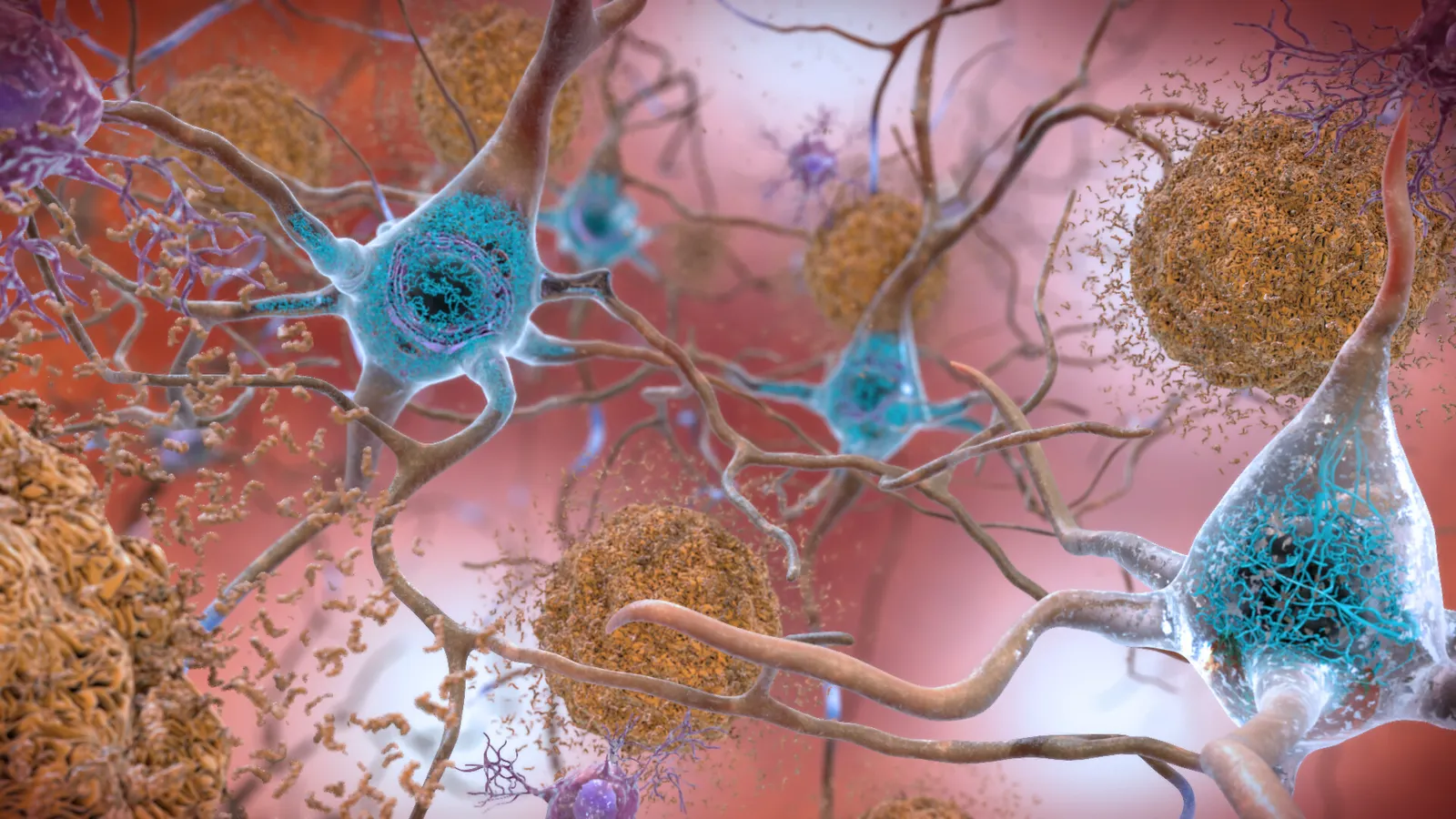
The landscape of Alzheimer’s disease diagnostics is undergoing a seismic shift. For decades, detecting the physical hallmarks of the disease—specifically the accumulation of beta-amyloid plaques and tau tangles—required expensive, invasive, and logistically complex procedures such as positron emission tomography (PET) scans or lumbar punctures to extract cerebrospinal fluid (CSF). Today, that paradigm is being dismantled by a new generation of high-precision blood tests.
With the recent entry of major industry players like Roche, Labcorp, and Quest Diagnostics into the commercial market, the "gold standard" for Alzheimer’s diagnosis is shifting from specialized imaging suites to standard clinical blood draws. This transition promises to democratize access to early detection, a critical component for patients seeking to benefit from the new class of anti-amyloid monoclonal antibody treatments.
Main Facts: The Rise of pTau217
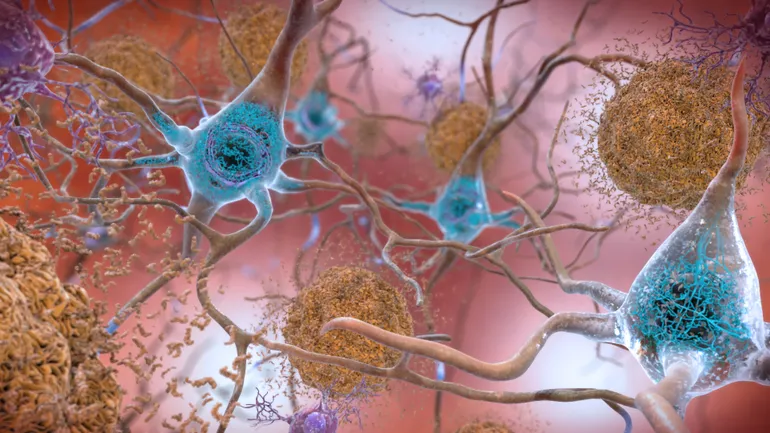
At the heart of this diagnostic evolution is the biomarker phosphorylated Tau 217 (pTau217). In the complex biology of Alzheimer’s, tau proteins—which stabilize microtubules in neurons—undergo a chemical change known as phosphorylation as the disease progresses. Elevated levels of pTau217 in the bloodstream serve as a highly accurate proxy for the presence of amyloid plaques in the brain.
The recent FDA clearance of tests utilizing this biomarker represents a major win for both patients and clinicians. By measuring the ratio of pTau217 to beta-amyloid, these diagnostic tools can identify the underlying pathology of Alzheimer’s with a high degree of sensitivity and specificity. Unlike traditional diagnostics, these blood-based assays offer a scalable, rapid, and significantly more affordable alternative that can be integrated into routine primary care workflows.
A Chronology of Breakthroughs
The path to current blood-based diagnostics was paved by years of research into neurodegeneration, but the last 18 months have seen an unprecedented acceleration:
- Early 2024: Momentum builds as international regulatory bodies begin approving pTau217-based tests, granting them the coveted CE mark for European markets.
- May 2025: A watershed moment occurs when the U.S. Food and Drug Administration (FDA) clears Fujirebio’s Lumipulse system. This marked the first time a blood-based in vitro diagnostic test received formal clearance to aid in the diagnosis of Alzheimer’s, signaling to the industry that the FDA was ready to embrace blood-based screening.
- Summer 2025: Labcorp and Quest Diagnostics begin rolling out laboratory-developed tests (LDTs) using similar biomarker technology, bypassing the need for full FDA clearance while maintaining high clinical rigor.
- Late 2025: The FDA clears C2N Diagnostics’ PrecivityAD2 blood test for individuals aged 40 and older. This test, rooted in research from the Washington University School of Medicine in St. Louis, utilizes mass spectrometry to provide a precise molecular fingerprint of the disease.
- Current Status: Major diagnostic networks, including Labcorp and Quest, are now scaling their capacity to offer Roche’s Elecsys pTau217 test, effectively creating a nationwide infrastructure for Alzheimer’s screening.
Supporting Data: Why Blood Beats PET
The clinical utility of these blood tests is backed by performance metrics that compare favorably to the traditional "gold standards."
Comparative Diagnostic Performance
Clinical trials have demonstrated that the pTau217 assay maintains a diagnostic performance comparable to PET imaging and CSF testing. While PET scans are highly effective, they are limited by the availability of radiotracers, the high cost of scanner time, and the necessity of referral to specialized neurology or imaging centers.
Conversely, the Roche-Lilly Elecsys pTau217 test is designed to run on the existing Cobas lab instrument infrastructure. This allows for:
- Standardization: Validated clinical cutoffs that remain consistent across primary care, urgent care, and specialized memory clinics.
- Throughput: The ability to process hundreds of samples per day, removing the bottleneck of imaging appointments.
- Accessibility: Enabling general practitioners to initiate the diagnostic conversation without immediate reliance on a neurologist.
According to industry analysts at Leerink Partners, the market is finally seeing the "momentum" required for widespread adoption. As testing becomes more routine, the cost-per-test is expected to decline, further incentivizing private and public insurers to cover the diagnostic screening.
Official Responses and Strategic Alignments
The move to bring these tests to the mass market has prompted a coordinated effort between diagnostic giants and pharmaceutical developers.
Roche and Eli Lilly:
The collaboration between Roche (the diagnostic developer) and Eli Lilly (the pharmaceutical developer) has been instrumental in the Elecsys test’s success. Roche has emphasized that its primary goal is to ensure that patients have a "consistent, high-quality diagnostic experience." By utilizing the Cobas platform, Roche ensures that doctors in rural or non-specialized settings can access the same level of diagnostic accuracy as those in academic medical centers.
Labcorp’s Nationwide Strategy:
Labcorp has positioned itself as the primary distributor of the Roche-Lilly test, citing that standardization is the "single most important consideration for clinicians." A Labcorp spokesperson noted, "Our mission is to ensure that a patient in a community clinic receives the same diagnostic clarity as a patient in a major research hospital."
Quest Diagnostics’ Roadmap:
Quest is taking a phased approach. Having already initiated LDT services, they intend to integrate the Elecsys pTau217 test into their proprietary "AD-Detect" brand by the fourth quarter of this year. Looking further ahead, Quest plans to incorporate these biomarkers into broader, multi-panel diagnostic profiles by 2027, signaling a future where Alzheimer’s screening is bundled with general metabolic and cardiovascular health checks.
Implications: The Future of Memory Care
The transition to blood-based Alzheimer’s diagnostics will have profound implications for the healthcare system, the patient experience, and the development of future therapeutics.

1. The "Early Detection" Effect
The most significant impact will be on the window of intervention. Alzheimer’s is a progressive condition; by the time a patient presents with clear cognitive decline, the brain has often undergone significant, irreversible structural changes. Blood tests allow for screening at the "mild cognitive impairment" (MCI) stage, or even earlier. This creates a broader window for clinicians to prescribe disease-modifying therapies, potentially slowing the progression of the disease.
2. Economic Efficiency
By reducing the reliance on PET imaging—which can cost thousands of dollars per scan—the healthcare system stands to save billions in diagnostic expenditures. The move toward blood-based screening shifts costs from high-acuity interventions to preventative, diagnostic maintenance, a model that is inherently more sustainable for Medicare and private insurance providers.
3. Patient Equity and Access
Historically, access to Alzheimer’s diagnosis has been skewed toward wealthy, urban, and academic medical centers. Blood tests, which can be performed at any local laboratory, break down these geographical and socio-economic barriers. A patient in a remote area can now receive an accurate diagnosis without the need for expensive travel or weeks-long waitlists at neurology clinics.
4. The Path Forward
While the current momentum is overwhelmingly positive, experts caution that blood tests are not the "end" of the diagnostic process. They are, rather, the new, efficient "gatekeeper." Positive blood test results will likely continue to be followed by clinical cognitive assessments and, in some cases, confirmatory imaging. However, the role of the blood test as the primary screening tool is now firmly established.
As the industry moves toward 2027 and beyond, the integration of these biomarkers into standard care will likely become as routine as testing for cholesterol or blood glucose. For a society grappling with an aging population and a mounting Alzheimer’s crisis, this diagnostic revolution provides the first glimmer of hope for a future where the disease is managed as a treatable, rather than an inevitable, condition.
The convergence of biotech innovation, laboratory scale, and regulatory support has created a "perfect storm" of progress. For the millions of families touched by Alzheimer’s, the wait for a simple, reliable, and accessible answer is finally coming to an end.