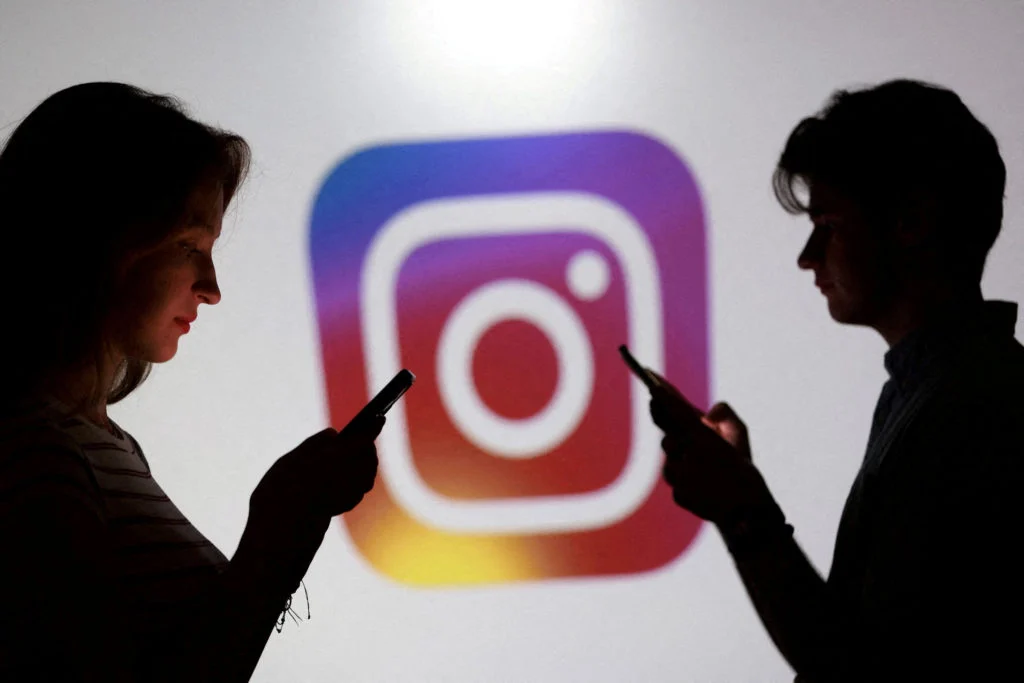
OAKLAND, Calif. — In a federal courtroom in Oakland, the tech industry is bracing for a confrontation that could fundamentally reshape the digital landscape. On Tuesday, opening statements began in what is being described as the largest consumer protection lawsuit in American history, pitting a coalition of U.S. states against Meta Platforms, the parent company of Facebook and Instagram. At the heart of the proceedings lies a singular, harrowing question: Did one of the world’s most powerful corporations knowingly sacrifice the mental well-being of a generation of children for the sake of profit?
The trial, presided over by U.S. District Judge Yvonne Gonzalez Rogers, represents the culmination of years of scrutiny regarding the addictive nature of social media algorithms. As the legal battle unfolds over the next six to eight weeks, it threatens to expose the internal mechanics of Meta’s engagement strategies and could lead to unprecedented financial penalties and court-ordered operational reforms.
The Core Allegations: Profit Over Protection
The litigation is spearheaded by attorneys general from California, Colorado, Kentucky, and New Jersey, acting as the vanguard for a total of 29 states that filed suit against the tech giant in 2023. The plaintiffs paint a picture of a company that, despite public assurances, was well aware of the deleterious effects its platforms had on young users.
The prosecution’s argument rests on two primary pillars:
- Deliberate Addiction: Prosecutors allege that Meta intentionally engineered features—such as infinite scrolling, push notifications, and algorithmic content feeds—to keep children and teenagers tethered to their screens. They argue that these features are not neutral tools but psychological levers designed to exploit vulnerabilities in developing adolescent brains, contributing directly to a rise in anxiety, depression, and body dysmorphia among minors.
- Privacy Violations: The states further contend that Meta has routinely harvested data from children under the age of 13 without the requisite parental consent. This, the plaintiffs argue, is a direct violation of federal laws designed to protect minors from unauthorized data collection and predatory digital advertising.
"This week, we’re in court with the largest consumer protection lawsuit in American history," Kentucky Attorney General Russell Coleman said in a statement. "We’ll show a jury that Meta concealed what it knew about the harm its products cause young people because looking away was more profitable."
Chronology of a Crisis: From Warnings to the Courtroom
The path to this Oakland courtroom was not paved overnight. It is the result of a multi-year erosion of public trust in Big Tech.
- 2021: The Whistleblower Revelations: The momentum for these lawsuits was catalyzed by the "Facebook Papers," a cache of internal documents leaked by whistleblower Frances Haugen. These documents revealed that Meta’s own researchers had found that Instagram was "toxic" for a significant percentage of teenage girls, particularly regarding their self-image. Despite these internal findings, the company failed to implement meaningful safeguards.
- 2023: The Unified Front: Following years of state-level investigations, 29 attorneys general filed a coordinated lawsuit against Meta in October 2023. The filing sent shockwaves through Silicon Valley, signaling that states were no longer willing to wait for federal legislative action.
- 2024: Pre-Trial Maneuvering: Throughout the preceding year, the case faced numerous motions to dismiss. Judge Gonzalez Rogers denied several of Meta’s attempts to throw out the case, ruling that there was sufficient evidence for a jury to determine whether the company’s conduct rose to the level of legal liability.
- 2025–2026: The Global Context: As the U.S. trial approached, global pressure mounted. Nations like Germany and Australia began exploring—and in some cases implementing—strict bans or age-gating requirements for social media usage, underscoring the international consensus that current tech platforms are failing to protect minors.
- August 18, 2026: Opening Arguments: The trial officially commences, setting the stage for months of testimony that will include high-level executives and, potentially, CEO Mark Zuckerberg himself.
The Stakes: Financial and Operational Consequences
The financial implications of the trial are staggering. While the potential damages have been estimated in the range of $1.4 trillion—a figure derived from statutory penalties for each alleged violation—legal analysts suggest that such an extreme sum is unlikely to be awarded. However, even a fraction of that amount would represent a historic blow to Meta’s balance sheet.
Beyond the monetary damages, the court holds the power to mandate operational changes. This could include:
- Algorithmic Transparency: Requiring Meta to disclose how its recommendation engines operate and how they prioritize content for younger users.
- Design Overhauls: Forcing the removal of "dark patterns"—features designed to manipulate user behavior—that contribute to compulsive usage.
- Stricter Verification: Implementing robust, tamper-proof age verification systems to prevent children under 13 from accessing the platforms entirely.
Meta’s Defense: Innovation and "Protective" Design
Meta has maintained a posture of defiance, arguing that its platforms provide essential social connection for teens and that the company has long been a leader in digital safety.
"We are proud of our record in protecting teens on our platforms," the company stated in a press release issued shortly before the trial began. "The amount of effort that we’ve put into developing protections over the years, even before these cases were ever filed, and continuing to the present day, is significant. We look forward to showing the judge and the jury those facts in court."
Meta’s defense team is expected to argue that the mental health crisis among youth is a complex, multifaceted societal issue driven by factors far beyond social media, such as global economic uncertainty, the COVID-19 pandemic, and academic pressures. They will likely emphasize the company’s recent rollout of "Teen Accounts" and parental supervision tools, arguing that these initiatives demonstrate a proactive approach to safety.
The Judicial Arbiter: Judge Yvonne Gonzalez Rogers
The proceedings are being overseen by U.S. District Judge Yvonne Gonzalez Rogers, a seasoned jurist appointed by President Barack Obama in 2011. Her involvement is seen as a significant factor in the trial’s gravity. Gonzalez Rogers is widely regarded as a rigorous and meticulous judge with extensive experience in the high-stakes, high-complexity world of Big Tech litigation.
Her past portfolio includes presiding over the high-profile antitrust battle between Epic Games and Apple, as well as Elon Musk’s legal challenges involving OpenAI. Her ability to manage complex technical testimony while keeping a jury focused on the core legal issues will be tested as she oversees this marathon proceeding, expected to last nearly two months.
Broader Implications: A Turning Point for Big Tech
Regardless of the verdict, the trial of States v. Meta marks a definitive turning point. For the past two decades, social media companies have enjoyed a relatively permissive regulatory environment, largely shielded by Section 230 of the Communications Decency Act. This trial tests the limits of that shield, questioning whether companies can be held liable when their product design—rather than user-generated content—is the primary driver of harm.
If the plaintiffs prevail, it could trigger a "domino effect" of litigation. Other platforms—including TikTok, YouTube, and Snap—are already facing similar lawsuits in state courts. A victory for the states in Oakland would provide a roadmap for other attorneys general to pursue similar claims, potentially ushering in an era of strict accountability for the tech industry.
Conversely, a win for Meta could embolden the industry to continue its current trajectory, potentially delaying federal regulation for years to come. As the trial moves into its second day, the eyes of the public, the tech industry, and policymakers worldwide are fixed on Oakland, awaiting a decision that will define the digital safety standards for generations to come.