





In a landmark decision for hematology and immunology, the U.S. Food and Drug Administration (FDA) has officially granted approval for Imaavy (nipocalimab) as the first targeted therapy for warm autoimmune hemolytic anemia (wAIHA). This milestone represents a paradigm shift in how clinicians treat this rare, potentially fatal blood disorder, moving away from broad, blunt-force immunosuppression toward a precision-medicine approach that targets the root biological drivers of the disease.
For patients aged 12 and older suffering from wAIHA, the approval of Johnson & Johnson’s (J&J) monoclonal antibody offers a long-awaited alternative to traditional therapies that have historically failed to provide durable remission for many.
The Core Facts: Understanding wAIHA and the Role of Imaavy
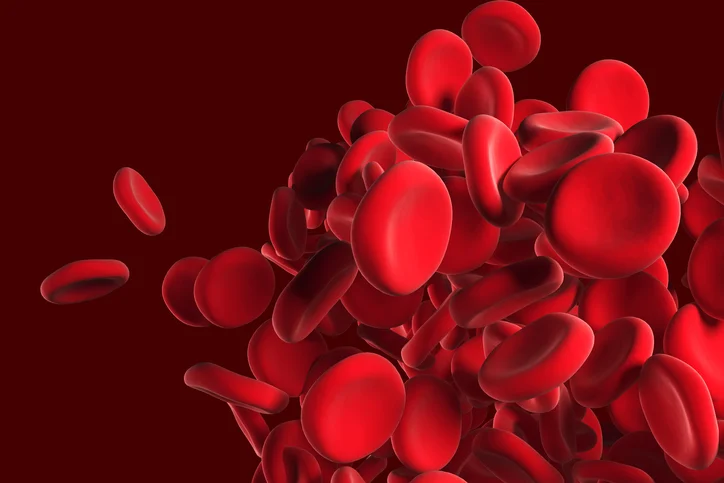
Warm autoimmune hemolytic anemia is a condition characterized by the body’s immune system turning against itself. Specifically, the immune system produces "warm" autoantibodies—so named because they react at normal body temperatures—that bind to red blood cells. This binding marks the cells for destruction by the spleen and other parts of the immune system, leading to severe anemia.
In its most aggressive forms, wAIHA places immense strain on the cardiovascular and pulmonary systems. Because the body cannot replenish its red blood cell supply fast enough to compensate for the rapid destruction, patients can face life-threatening complications, including heart failure and severe hypoxia.
A Mechanistic Breakthrough
For decades, the standard of care for wAIHA has relied on corticosteroids and non-specific immunosuppressants. While these drugs can suppress the immune system, they are often associated with debilitating long-term side effects and fail to address the underlying mechanism of the disease.
Imaavy (nipocalimab) functions differently. It is an anti-FcRn (neonatal Fc receptor) monoclonal antibody. In a healthy body, the FcRn protein acts as a "recycling" system, binding to immunoglobulin G (IgG) antibodies and preventing them from being broken down, thus extending their lifespan in the bloodstream. In wAIHA patients, this system inadvertently preserves the very autoantibodies destroying their red blood cells. By binding to and blocking FcRn, Imaavy forces the body to degrade these pathogenic IgG antibodies rather than recycling them, effectively lowering the "tide" of harmful autoantibodies circulating in the patient’s system.
Chronology of Development: From Momenta to Market
The journey of nipocalimab to the pharmacy shelf is a testament to the high-stakes, long-term nature of pharmaceutical innovation.
- 2020: The Strategic Acquisition: Johnson & Johnson acquired Momenta Pharmaceuticals in a $6.5 billion deal. While Momenta had a broad portfolio, nipocalimab was widely regarded as the "crown jewel" of the acquisition due to its potential to treat a wide spectrum of autoantibody-driven diseases.
- 2023: Early Validation: The clinical program for nipocalimab began to show significant promise across various indications, including rare infant blood disorders mediated by maternal alloantibodies, signaling that the drug’s mechanism had broad utility.
- 2025: Initial FDA Nod: Imaavy received its first regulatory approval for the treatment of generalized myasthenia gravis (gMG), a chronic autoimmune neuromuscular disease. This approval established the drug’s safety profile and manufacturing viability.
- June 2026: Clinical Evidence Unveiled: At the annual meeting of the European Hematology Association, researchers presented full data from the pivotal Phase 2/3 study. The study, involving 115 participants, demonstrated a statistically significant and durable hemoglobin response at 24 weeks compared to a placebo.
- Late 2026: The wAIHA Milestone: Following the positive clinical data and regulatory review, the FDA granted approval for the wAIHA indication, marking the first time a therapy has been specifically indicated for this condition.
Supporting Data: The Phase 2/3 Clinical Evidence
The clinical trial that served as the backbone for the FDA’s approval was meticulously designed to measure not just a temporary increase in hemoglobin, but a "durable" response.
Key Study Metrics
The study enrolled 115 patients who were struggling with the symptomatic effects of wAIHA. The primary endpoint was the stabilization or improvement of hemoglobin levels, which serves as a proxy for the cessation of red blood cell destruction.
Patients receiving Imaavy showed a rapid onset of effect, with many reporting a reduction in fatigue and other anemia-related symptoms within weeks of the initial intravenous infusion. The results were robust enough to meet the threshold for regulatory approval, providing clear evidence that blocking FcRn is a superior strategy compared to conventional care.
Safety Profile
In clinical settings, the most frequently reported adverse reactions included:
- Peripheral Edema: Swelling, typically in the legs or feet.
- Diarrhea: Gastrointestinal distress was noted in a subset of the study population.
- Fever: Occasional pyrexia was observed following infusions.
Overall, the safety profile was deemed manageable, with the clinical benefits of preventing life-threatening anemia outweighing the documented side effects.
Official Responses: Shifting the Paradigm
The reaction from the medical and corporate communities has been one of cautious optimism. For physicians who have spent years managing wAIHA patients with blunt tools, this represents a significant upgrade in their therapeutic arsenal.
"As the first therapy approved for wAIHA, Imaavy has the potential to redefine the management of wAIHA, particularly for those with uncontrolled disease," said David Lee, Global Immunology Therapeutic Area Head at Johnson & Johnson.
Lee’s statement highlights the specific patient population the company is targeting: those who are currently "uncontrolled." These are patients for whom corticosteroids have failed, or who cannot tolerate the long-term toxicity of high-dose immunosuppressants. By providing a targeted option, J&J is positioning Imaavy as a cornerstone for future immunology treatment protocols.
Implications: The $5 Billion Vision
The approval of Imaavy for wAIHA is not merely a win for rare disease patients; it is a critical component of Johnson & Johnson’s broader financial strategy.
Immunology as a Growth Engine
J&J has aggressively signaled that its future growth is tied to its immunology pipeline. In the first half of 2026, the company’s emerging immunology assets—including Imaavy and the recently approved oral plaque psoriasis drug Icotyde—generated $150 million in global revenue. While this figure is a fraction of J&J’s total portfolio, it represents a massive leap from the $9 million reported in the same period the previous year.
The company projects that nipocalimab (Imaavy) could eventually hit $5 billion in peak annual sales. To reach this number, J&J is banking on the drug’s versatility. Because the drug targets a fundamental mechanism of the immune system (the recycling of antibodies), it has the potential to treat dozens of other conditions.
Future Outlook
The current clinical program for Imaavy is vast, spanning:
- Rheumatologic Diseases: Exploring the drug’s efficacy in systemic lupus erythematosus and other chronic inflammatory conditions.
- Rare Autoantibody Diseases: Expanding beyond wAIHA into other niche hematological disorders.
- Maternal-Fetal Medicine: Investigating the drug’s ability to prevent the transfer of harmful antibodies from mothers to fetuses during pregnancy, a field with virtually no existing competition.
Market Impact
The success of Imaavy signals a broader industry shift. Pharmaceutical giants are increasingly moving away from "blockbuster" drugs that treat common ailments and toward "precision medicines" that treat ultra-rare diseases. While the patient population for wAIHA is relatively small, the high cost of specialized biologics and the ability to leverage a single drug for multiple indications allows companies to achieve high profitability while delivering breakthrough value to patients.
As Imaavy begins to hit the market for wAIHA patients, the medical community will be watching closely to see if the real-world performance mirrors the impressive clinical trial data. If it does, J&J may well have secured its next major pillar of growth, while simultaneously closing a dark chapter in hematology where patients had little recourse beyond toxic, non-specific treatments.
This approval is more than just a regulatory box-ticking exercise; it is the arrival of a new era where we no longer suppress the immune system in its entirety, but rather, with surgical precision, address the specific rogue components that cause disease.