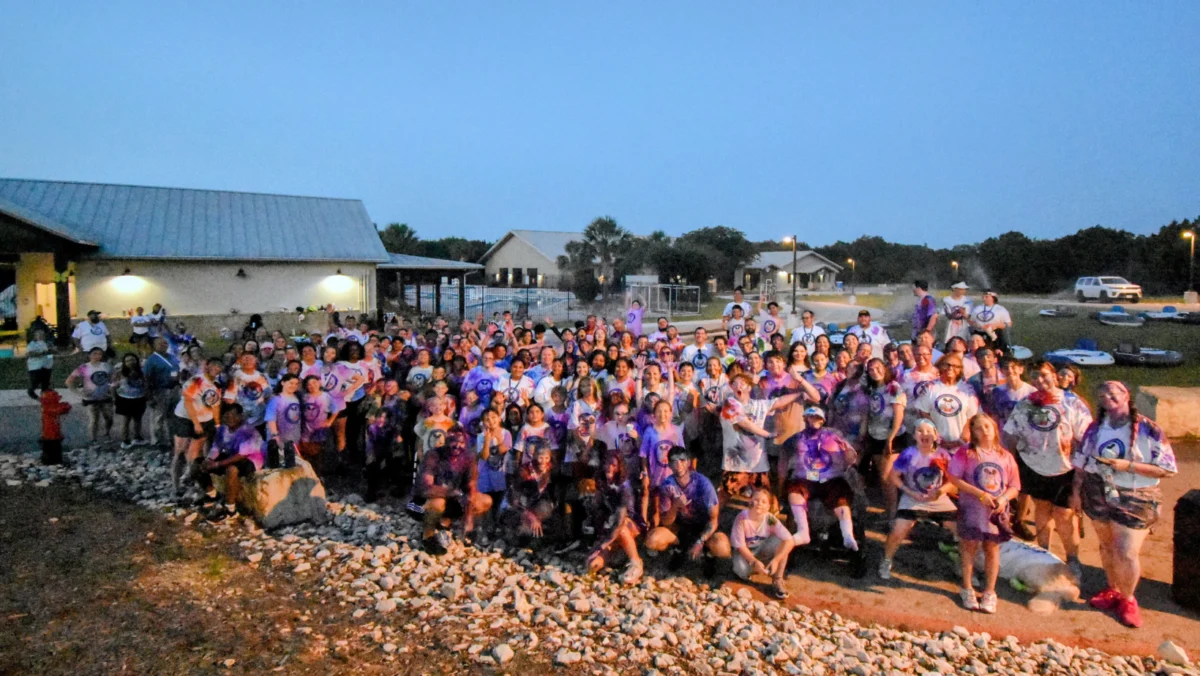
In the quiet corners of pediatric clinics across America, families often face a silent epidemic: the isolating, exhausting, and frequently misunderstood reality of chronic pain. For the children living with these conditions, the world is often a series of "no’s"—no to sports, no to school trips, and no to the carefree spontaneity of childhood. However, for five transformative days in late June, 61 families found a resounding "yes" at the fifth-annual Pediatric Pain Warrior Family Summer Camp.
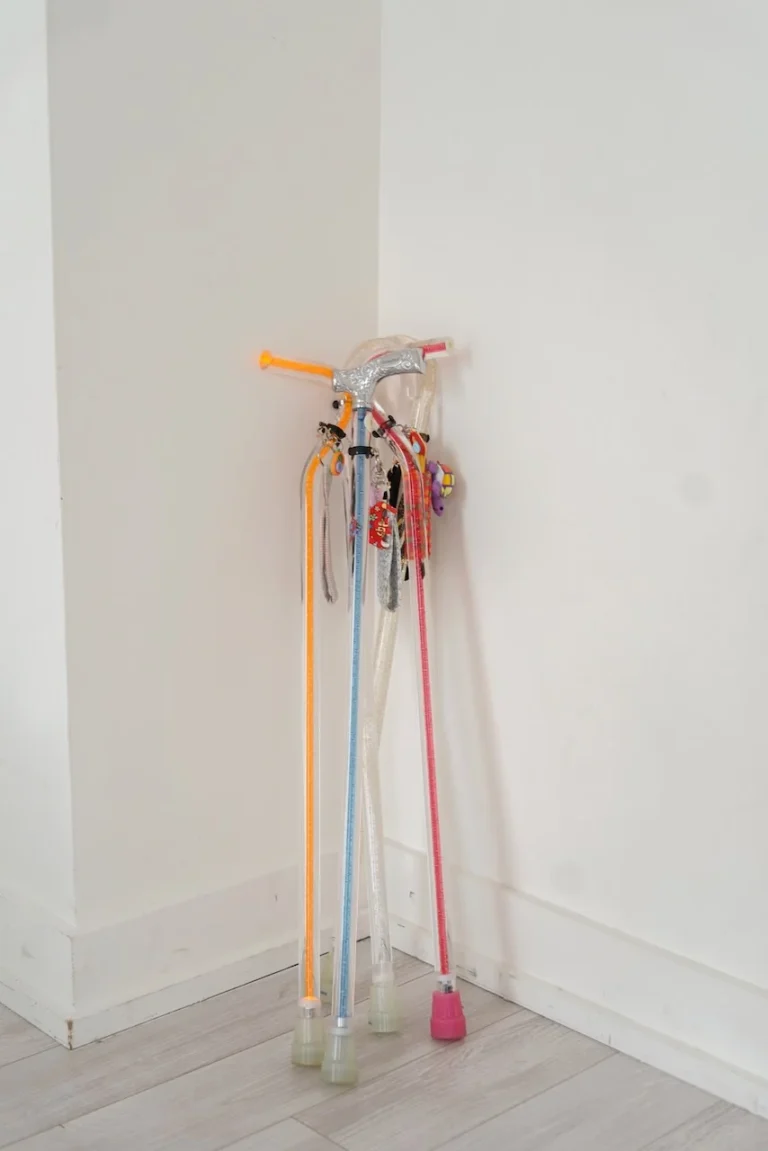
Held at the world-renowned Morgan’s Camp in San Antonio, Texas—an Ultra-Accessible™ facility designed specifically to remove physical and social barriers—the event served as a flagship initiative of the U.S. Pain Foundation’s Pediatric Pain Warrior Program. Bringing together over 250 individuals, including children living with pain, their siblings, parents, and caregivers, the camp provided more than just a getaway; it provided a sanctuary where the necessity of a wheelchair or the need for a sudden break is met with solidarity rather than stigma.
A Chronology of Connection: Five Days of Transformation
The five-day experience was meticulously curated to balance high-energy adventure with essential emotional support, ensuring that no child felt restricted by their physical limitations.
Days 1-2: Breaking the Ice and Breaking Barriers
Upon arrival, the atmosphere was one of palpable relief. For many, this was the first time their child had entered a space where they were the norm rather than the exception. The first two days focused on orientation and the "de-stigmatization" of medical equipment. As campers settled in, they were introduced to the facility’s expansive capabilities. The immediate shift in the campers’ demeanor—moving from guarded to empowered—was immediate as they realized the ropes courses, rock walls, and zip lines were engineered for all levels of mobility.
Days 3-4: The Heart of the Experience
Mid-week served as the anchor for the program’s educational and therapeutic objectives. Days were split between physical activity—ranging from horseback riding and swimming to intense, laughter-filled family game nights—and structured support sessions. While children engaged in peer-led support groups to navigate the social hurdles of chronic illness, parents attended specialized workshops. These sessions covered the technical, financial, and emotional aspects of their journeys, from battling insurance denials to understanding the psychological toll of chronic pain on the family unit.
Day 5: Solidarity in Color
The final day culminated in the high-energy "Color Wars," a tradition that allows campers to shed the weight of their conditions through play. By the time the final splashes of washable paint were thrown, the sense of isolation that many families had brought with them to San Antonio had evaporated, replaced by a sense of belonging to a nationwide community.
Supporting Data: The Scope of the Pediatric Pain Crisis
The necessity of such an event is underscored by the sobering statistics surrounding pediatric chronic pain. While often under-reported, it is estimated that approximately 20% to 35% of children and adolescents worldwide suffer from chronic pain. This includes conditions such as juvenile idiopathic arthritis, complex regional pain syndrome, fibromyalgia, and the most prevalent among this year’s attendees: migraine and headache disease.
The impact of these conditions is not merely physical. According to the U.S. Pain Foundation, children living with chronic pain are at a significantly higher risk for anxiety, depression, and social withdrawal. The Pediatric Pain Warrior program serves as a critical intervention. By creating an environment where 250+ people could coexist without the need to explain a limp, a mobility aid, or a sudden, pain-induced withdrawal from an activity, the camp actively combats the "psychosocial pain" that often accompanies physical ailment.
Official Perspectives: The Philosophy of Inclusion
The success of the camp is rooted in the leadership’s philosophy that the primary barrier to a "normal" childhood for these patients is not always the pain itself, but the lack of an accepting environment.
"What makes this camp so unique, and so life-changing, is that you don’t have to explain or apologize for your pain," says Casey Cashman, director of the Pediatric Pain Warrior Program at the U.S. Pain Foundation. "No one looks at you funny when you need to use your wheelchair or sit out for a bit. Everyone is in the same boat—and that gives these families what is often their first opportunity to take a breath and know that they are truly understood and accepted."
The professional guidance offered during the camp was equally critical. Dr. Asha Patel Shah, MD, MBA, FAAD, head of Medical Affairs NA, Skin Health & Baby at Kenvue, provided parents with insights into the intersection of skin health and pain management. Simultaneously, licensed clinical social worker Meredith de Saint-Albin offered a masterclass on the mental health impacts of parenting a child with chronic illness, providing parents with the vocabulary and coping mechanisms needed to sustain their own resilience.
Implications: The Long-Term Impact on Families
The implications of this camp extend far beyond the five-day stay in San Antonio. By providing a forum for families to exchange strategies—such as the guidance provided by patient services specialist Windy Rodriguez on navigating insurance systems—the camp empowers attendees to return home as better advocates for their children.
The "Flags for Headache" Initiative
A highlight of the week was the camp’s observance of Headache Awareness Month. The installation of the "Flags for Headache"—a collaborative effort involving the Alliance for Headache Disorders Advocacy, The Headache Alliance, and sponsors like Lundbeck and the Danielle Byron Henry Migraine Foundation—served as a poignant, visual reminder of the prevalence of these diseases. As hundreds of purple flags waved across the field, the message was clear: these children are not anomalies; they are part of a vast, deserving, and resilient population that demands better treatment and more societal awareness.
Cultivating Resilience
The educational programming, which included therapeutic art sessions with Derek McCarty and the creation of "Pediatric Pete" penguins, serves as an anchor for the children. These stuffed companions are more than toys; they represent a tangible memory of a space where the child was allowed to be a child, free from the diagnostic lens of a doctor’s office.
A Future Built on Advocacy and Support
As the Pediatric Pain Warrior Family Summer Camp looks toward its sixth year, the momentum is undeniable. The growth from a small gathering to a record-breaking assembly of 61 families indicates that the need for such spaces is not only persistent but expanding.
The U.S. Pain Foundation has successfully demonstrated that when you combine medical accessibility with genuine, peer-to-peer emotional support, you create a catalyst for healing that goes beyond physical relief. The camp acts as a bridge between the clinical world of treatment and the human world of living.
"I truly believe this camp has saved lives," Cashman reflects. "It has certainly changed hundreds of lives. We are grateful to the families who take a chance and step out of their comfort zones to join us each year. They are what make camp truly special and transformative."
In an era where healthcare is increasingly digital and remote, the tangible, face-to-face support provided by this camp stands as a testament to the power of community. Families who arrive feeling like "the only ones" leave with a network of support that spans the country. They return to their homes with a reinforced identity: they are no longer just patients and caregivers; they are "Pain Warriors"—a collective, powerful force equipped with the knowledge, the friends, and the courage to face the challenges of tomorrow.
The success of the 2024 camp is not just a triumph for the U.S. Pain Foundation; it is a victory for every child who, for one week, was allowed to stop worrying about their limitations and start focusing on their potential. As these families continue to navigate their respective journeys, the memories of the ropes course, the color wars, and the quiet, judgment-free conversations will serve as a lighthouse, guiding them through the inevitable storms of chronic pain with the knowledge that they are, and will always be, part of a family that understands.