For decades, the field of cancer immunotherapy has been dominated by a tale of two extremes. While chimeric antigen receptor (CAR) T-cell therapies have revolutionized the treatment of blood-borne malignancies—effectively turning the tide for patients with certain leukemias and lymphomas—solid tumors have remained stubbornly resistant. These solid masses are fortress-like, often protected by dense biological barriers and hostile microenvironments that neutralize incoming immune cells before they can deliver a lethal blow.
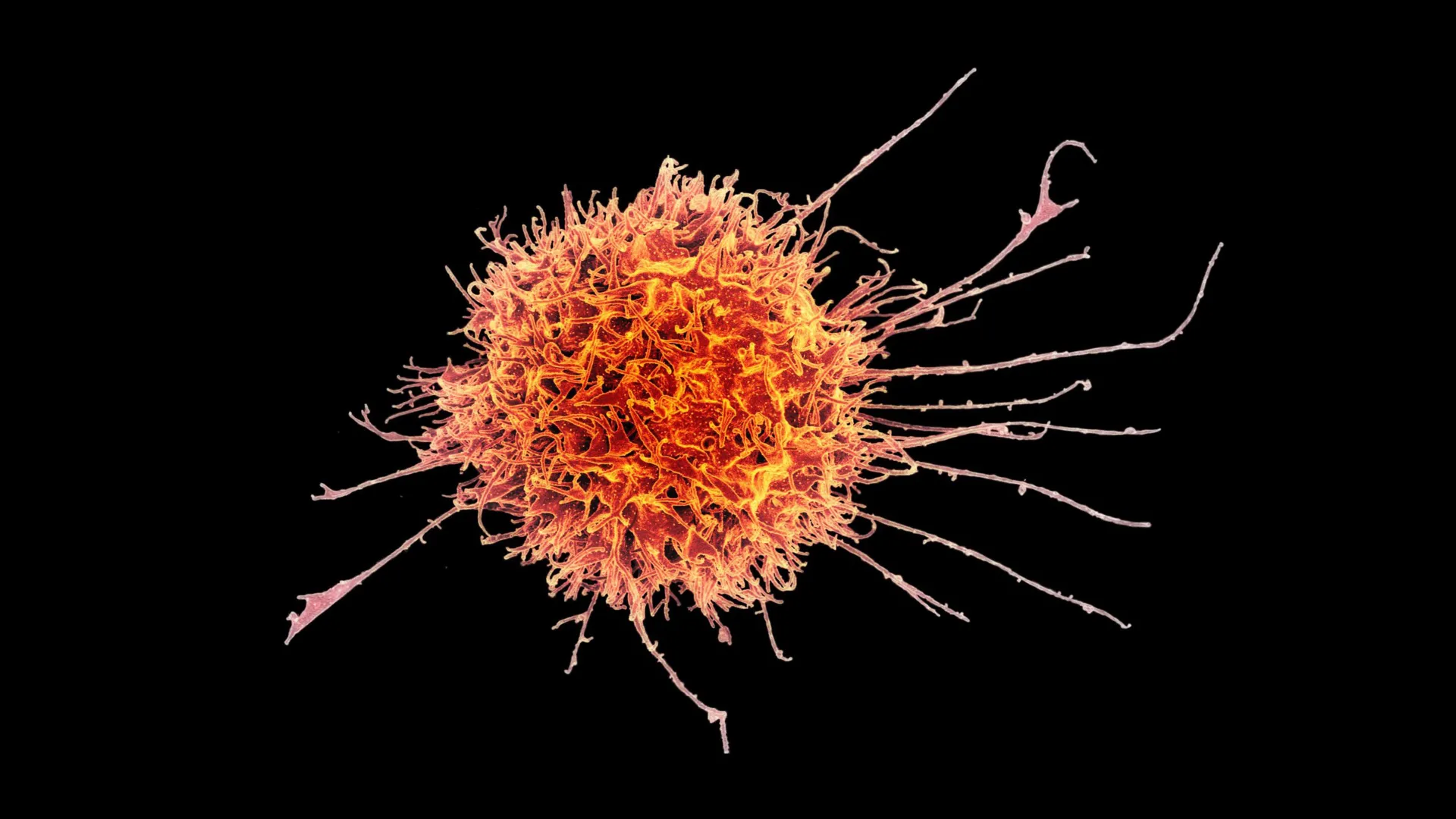
However, a breakthrough study from Stanford Medicine, recently published in Science Translational Medicine, offers a promising new strategy to dismantle these defenses. By re-engineering natural killer (NK) cells to become "tissue-resident" assassins, researchers have demonstrated a method that could transform the future of oncology, potentially moving the needle from highly personalized, expensive treatments to accessible, off-the-shelf therapies.
The Biological Barrier: Why Solid Tumors Resist
To understand the significance of this development, one must first recognize why solid tumors are so difficult to eradicate. Unlike blood cancers, which circulate freely, solid tumors are physical structures. They create "immune-privileged" niches by secreting signals that suppress immune activity and by physically barring the entry of circulating lymphocytes.
Historically, immunology has focused on the cells of the bloodstream—the B cells, T cells, and NK cells that patrol our vasculature. While these cells are excellent at scanning for systemic infection, they are often ill-equipped to survive the "dark" environment of a solid tumor, where oxygen is scarce, nutrients are depleted, and chemical signals act as a deterrent to immune infiltration.
"For a long time, the study of immunology and disease in humans was concentrated on the blood immune cells," explains Dr. John Sunwoo, the Edward C. and Amy H. Sewall Professor at Stanford Medicine and the senior author of the study. "With the advancement of tools and bioinformatics, we are now starting to look more at what’s going on in tissue. For most immune cells, the tissue is where the action is."
Chronology: Engineering the Perfect Killer
The Stanford team, led by co-lead authors Nina Horowitz, Imran Mohammad, and June Ho Shin, began by investigating the "tissue-resident" phenomenon. These are specialized NK cells that, rather than circulating, take up permanent residence in organs like the skin, lungs, and liver.
The "Goldilocks" Signaling Discovery
The researchers hypothesized that if they could force circulating NK cells to transition into a tissue-resident state, they might gain the ability to infiltrate solid tumors. The critical turning point in their research was the discovery of the role played by TGF-b (transforming growth factor beta), a signaling protein abundant in tumor microenvironments.
The team identified a "Goldilocks" principle regarding TGF-b. They found that:
- Insufficient Signal: Without enough TGF-b, NK cells remained in their circulating form and could not effectively penetrate tissue.
- Excessive Signal: Exposure to prolonged or high levels of TGF-b rendered the cells dysfunctional, causing them to adopt an immunosuppressive state—much like the cells that protect a fetus in the uterine lining during pregnancy.
- The Optimal Window: A brief, intense burst of TGF-b, delivered via physical contact with tumor cells, successfully primed the NK cells to become aggressive, tumor-infiltrating killers.
This discovery was the "missing recipe." By briefly exposing blood-derived NK cells to human epithelial tumor cells, the researchers induced a transformation that resulted in a highly potent, tissue-resident population of NK cells.
Supporting Data: From Petri Dish to Preclinical Success
The efficacy of these re-engineered cells was validated through a rigorous testing process. The researchers identified specific markers—CD49a and CD103—as signatures of tissue-resident NK cells. Crucially, they discovered that the most effective cancer-killing cells also expressed a protein called CD39, alongside high levels of "killing machinery," specifically perforin (which punches holes in cell membranes) and granzyme A (a toxin injected through those holes).
Mouse Models and Combination Therapy
The preclinical results were striking. When the modified NK cells were injected into mice harboring human melanoma and head and neck squamous cell carcinoma, the tumors showed a marked reduction in growth.
The most impressive results, however, occurred when the modified NK cells were paired with cetuximab, a monoclonal antibody. While cetuximab is an existing clinical treatment, it often yields lackluster results when used in isolation. When combined with the modified NK cells, the therapy functioned as a "guided missile" system: the antibody marked the tumor cells, and the tissue-resident NK cells infiltrated the mass to eliminate them. After 30 days, mice treated with the combination therapy remained healthy, while control groups exhibited clear signs of disease progression.
Official Perspectives and Expert Insight
Dr. John Sunwoo emphasizes that while the preclinical data is compelling, the true value lies in the logistics of the therapy. "It would be almost an off-the-shelf drug," Sunwoo stated. "It could make cell therapy much more accessible to a wider variety of patients."
This is a stark contrast to current CAR-T therapies, which require extracting a patient’s own cells, shipping them to a laboratory for genetic modification, and re-infusing them weeks later—a process that is both prohibitively expensive and time-consuming. Because NK cells do not typically trigger a graft-versus-host immune reaction, they can be harvested from a single donor, expanded in a lab, and cryopreserved. According to the Stanford team, a single donor could provide enough material for roughly 20 treatment doses in just two weeks.
Implications for Future Oncology
The implications of this research are far-reaching. By shifting the focus from circulating cells to tissue-resident cells, the Stanford team has opened a new front in the war on cancer.
Accessibility and Speed
The ability to produce "off-the-shelf" doses could solve one of the greatest hurdles in modern immunotherapy: the wait time. For patients with aggressive solid tumors, waiting three to four weeks for personalized cell manufacturing can be the difference between life and death. A cryopreserved, ready-to-use therapy would allow clinicians to initiate treatment immediately.
Broadening the Scope
The study’s success in melanoma and squamous cell carcinoma suggests that this approach could be adapted for a wide variety of solid tumors. As the researchers prepare for a Phase I clinical trial, they are currently seeking FDA approval to test this combination therapy in human patients with advanced squamous cell carcinoma. The trial, expected to begin by the end of the year, will be the first true test of whether these laboratory-derived "tissue-resident" cells can perform with the same efficiency in the complex environment of the human body.
A New Paradigm in Cellular Engineering
This research highlights a broader shift in immunology: the realization that the body’s immune cells are not merely a static workforce, but highly adaptable entities that change their behavior based on their physical surroundings. By learning to "program" cells using the microenvironmental cues that tumors already provide, scientists are essentially turning the tumor’s own environment against itself.
While the researchers caution that the transition from mice to humans is fraught with challenges, the scientific community is optimistic. By combining the precision of antibody-based targeting with the infiltration capabilities of tissue-resident NK cells, Stanford Medicine has provided a robust proof-of-concept. If the upcoming clinical trials replicate the results seen in the lab, this could signal the beginning of a new era where solid tumors, once thought untouchable by cell-based therapies, become the next manageable hurdle in cancer treatment.
The research, supported by the National Institutes of Health, the Tai Tsun Wu Research Fund for Natural Killer Cell Immunotherapy, and the Stanford Bio-X Fellowship, represents a collaborative effort between Stanford Medicine, Ohio State University, and Washington University School of Medicine.