











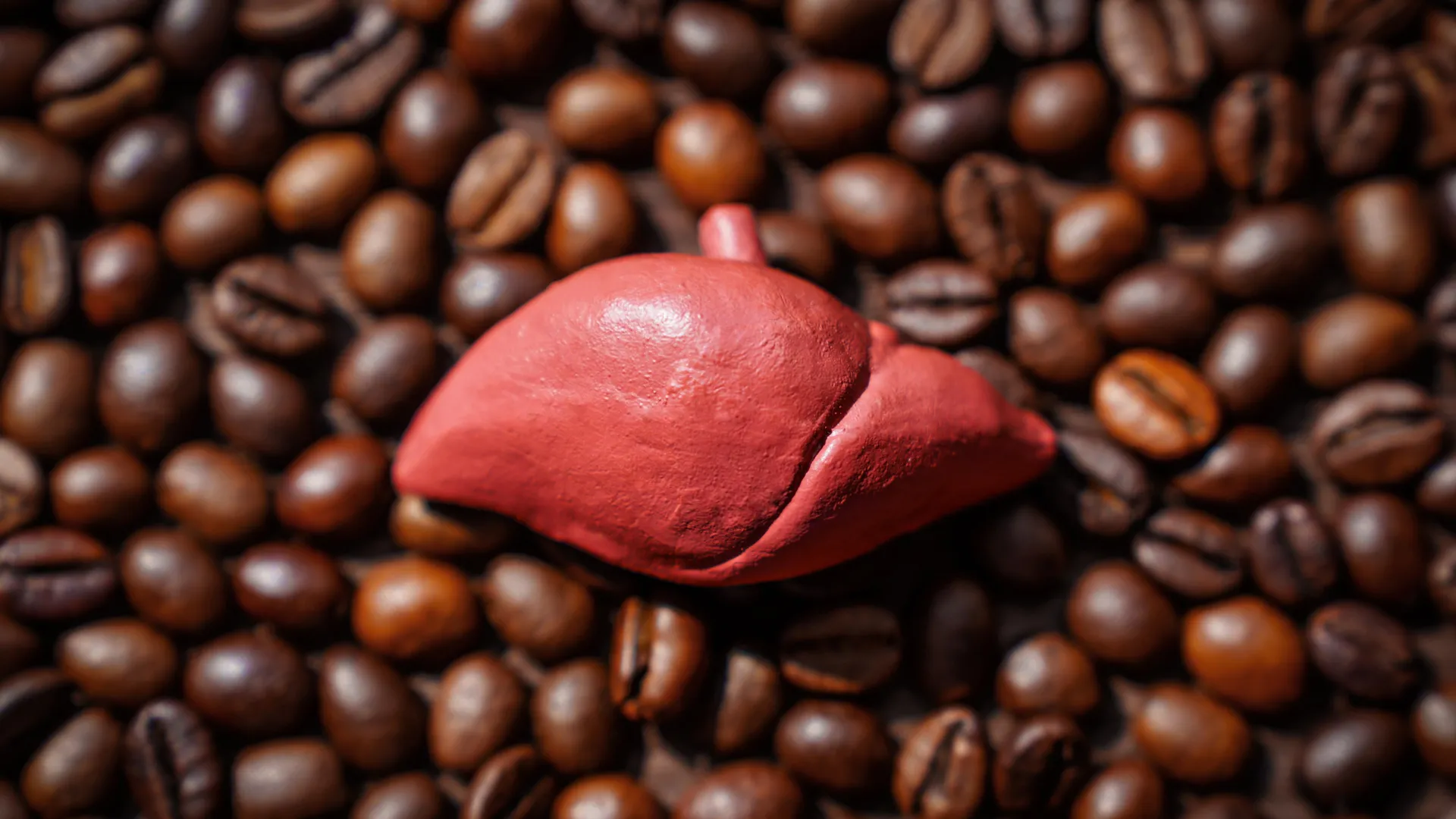
For centuries, coffee has been the world’s most popular morning ritual, a dark, aromatic elixir that powers global productivity. While its role as a stimulant is well-documented, its impact on long-term physiological health has often been the subject of debate. Now, a comprehensive study conducted by researchers at Cedars-Sinai Health Sciences University—one of the largest investigations of its kind—has provided compelling evidence that your daily cup may be doing more than just waking you up; it may be actively protecting your liver.
Published in the journal Clinical Gastroenterology and Hepatology, the research moves beyond the anecdotal, offering a granular look at the biological mechanisms that connect coffee consumption to a lower risk of cirrhosis, liver cancer, and mortality linked to liver disease.
The Core Findings: A Decade of Evidence
The study, which tracked 354,957 participants from the UK Biobank over a median period of 13 years, paints a robust picture of coffee’s potential protective benefits. At the start of the study, none of the participants had a history of cirrhosis or liver cancer. By tracking medical records over more than a decade, researchers were able to establish a clear, dose-dependent relationship between coffee intake and liver health.
The data revealed that those who consumed five or more cups of coffee per day experienced a 32% lower risk of cirrhosis, a 47% lower risk of liver cancer, and a 42% reduction in the risk of dying from liver-related diseases compared to their non-coffee-drinking counterparts. While the most dramatic benefits were seen in the highest intake group, the researchers noted that positive trends began appearing at even one to two cups daily, with the "sweet spot" for optimal association landing at three to four cups per day.
A Multidimensional Look at Liver Health
What distinguishes this study from previous efforts is its reliance on more than just self-reported health outcomes. The research team integrated high-resolution liver MRI scans and comprehensive blood protein analyses to observe the physical and molecular landscape of the liver.
The results were striking:
- Reduced Liver Fat and Iron: MRI scans of regular coffee drinkers showed significantly lower levels of harmful fat and excess iron, both of which are precursors to metabolic liver issues.
- Mitigation of Fibrosis and Inflammation: There was a measurable decrease in physical markers of fibrosis (scarring) and inflammation.
- Molecular Signatures: Blood tests revealed higher levels of proteins linked to healthy liver function and lower levels of pro-inflammatory and fibrotic proteins, providing a tangible molecular explanation for why coffee appears to foster a healthier liver environment.
Deciphering the "Why": Beyond the Caffeine Buzz
One of the most surprising findings of the research was that the benefits were not exclusive to caffeinated coffee. Both regular and decaffeinated varieties showed similar associations with improved liver outcomes. This critical discovery suggests that the liver-protective effects are likely not derived from caffeine itself, but from the complex array of natural compounds inherent in the coffee bean.
Coffee contains a vast chemical profile, including polyphenols, chlorogenic acids, and other antioxidants that possess potent anti-inflammatory and anti-fibrotic properties. These compounds may work synergistically to suppress the biological pathways that lead to tissue scarring and chronic inflammation—the primary drivers of liver disease.
"The next step in our research is to identify the specific compounds in coffee that are responsible for these liver-protective associations," said study author Dr. Shelly Lu, who chairs the Women’s Guild Chair in Gastroenterology at Cedars-Sinai. "Our findings point to biological pathways involving inflammation and scarring and highlight molecular targets that future research can explore to better understand how coffee may influence liver health and who stands to benefit the most."
Chronology of a Scientific Breakthrough
The path to these findings was paved by years of observational evidence that hinted at a link between coffee and longevity. However, the scientific community long struggled with "confounding variables"—the idea that people who drink coffee might simply have different lifestyles than those who don’t.
- The Observational Phase: Early studies in the late 20th and early 21st centuries identified a correlation between coffee consumption and lower liver enzyme levels, but these studies were often limited by small sample sizes and short follow-up periods.
- The Biobank Era: The Cedars-Sinai team utilized the UK Biobank, a massive database that allowed researchers to control for a wider range of variables, such as socio-economic status, physical activity, and existing health conditions, over a 13-year period.
- Integrating Advanced Imaging: By incorporating MRI and proteomic analysis, the study transitioned from mere correlation to identifying the physiological "footprint" of coffee within the organ itself.
- Publication and Peer Review: The rigorous peer-review process for Clinical Gastroenterology and Hepatology ensured that the statistical models used to account for confounding factors were robust enough to withstand scientific scrutiny.
Professional Perspectives and Official Guidance
Despite the positive findings, the researchers at Cedars-Sinai were careful to frame their conclusions within the context of clinical reality. They emphasized that while the data is promising, it is strictly observational. The study demonstrates an association, but it does not definitively prove causation—meaning that coffee is not a "magic pill" that can reverse existing, advanced disease.
The Medical Consensus
"Our findings support moderate coffee consumption for people who already enjoy and tolerate it well," said Dr. Ju Dong Yang, the study’s senior author and medical director of the Liver Cancer Program at Cedars-Sinai. "However, we would not recommend that someone begin drinking coffee solely for liver protection based on this study alone."
The researchers cautioned against viewing coffee as a substitute for standard, evidence-based liver health practices. A healthy liver, they noted, remains dependent on:
- Maintaining a healthy body weight.
- Limiting or avoiding alcohol consumption.
- Engaging in regular physical exercise.
- Strictly managing metabolic markers, including blood sugar, blood pressure, and cholesterol.
Who Should Avoid Increased Intake?
The study also provided an important caveat: coffee is not for everyone. Individuals with specific medical conditions—such as uncontrolled hypertension, certain heart rhythm disorders, severe insomnia, or chronic anxiety—may find that the physiological effects of caffeine, or even coffee in general, exacerbate their symptoms. Anyone considering a change in their diet should consult their healthcare provider before increasing their daily coffee intake.
The Path Forward: What Does This Mean for Patients?
The implications of this study for public health are profound. As chronic liver disease—driven by rising rates of obesity and metabolic syndrome—continues to be a growing global health concern, finding low-cost, accessible dietary interventions is of paramount importance.
For the medical community, the study provides a roadmap for future drug discovery. By isolating the specific compounds that contribute to the observed liver protection, researchers hope to develop targeted therapies that could potentially mimic these benefits without the side effects associated with high caffeine intake.
For the general public, the news is a welcome validation of a beloved habit. While it is not an invitation to consume excessive amounts of caffeine, the study suggests that for the vast majority of people, the daily ritual of drinking coffee is a safe, and perhaps even health-promoting, endeavor.
As the scientific community continues to peel back the layers of how diet impacts organ health, the humble coffee bean is proving to be a subject of intense, and increasingly optimistic, scientific interest. The research conducted at Cedars-Sinai does not just close the book on a long-standing question—it opens a new chapter in our understanding of how everyday nutrition can play a significant role in chronic disease prevention.
Final Considerations
The research team included an extensive list of experts from Cedars-Sinai and partner institutions, including Yufeng Wang, Abdelrahman M. Attia, and Minsun Kwak, among many others. The collaborative nature of the study highlights the complexity of liver health and the need for interdisciplinary efforts in modern gastroenterology.
As with any health-related news, consumers should remain pragmatic. Coffee is an ally in the quest for liver health, but it is one piece of a much larger, more complex puzzle of lifestyle, genetics, and environment. For now, enjoy your cup—and keep the focus on overall wellness.
Disclaimer: This article is for informational purposes only and does not constitute medical advice. Always seek the advice of your physician or other qualified health provider with any questions you may have regarding a medical condition.