Pancreatic cancer has long been considered one of the most formidable adversaries in modern oncology. Characterized by a "cold" tumor microenvironment—a dense, immunosuppressive shield that effectively bars the body’s immune cells from launching a counterattack—the disease has remained largely resistant to the revolution of immunotherapy that has transformed treatment for cancers like melanoma and lung cancer.
However, a groundbreaking study from the University of Chicago, published in Science Advances, offers a paradigm-shifting solution. By repurposing Bifidobacterium longum—a common, gut-friendly probiotic—researchers have engineered a microscopic "Trojan horse" capable of infiltrating the heart of pancreatic tumors to deliver potent, localized immunotherapy. This innovative approach, termed "BifidoSumIL-2," represents a significant leap forward in the burgeoning field of synthetic biology and cancer therapeutics.
The Challenge: Why Pancreatic Cancer Remains a "Mountain to Climb"
The primary hurdle in treating pancreatic cancer lies in the tumor microenvironment (TME). Unlike "hot" tumors that are infiltrated by immune cells, pancreatic tumors often create a physical and chemical fortress. This environment is characterized by poor blood supply, high interstitial pressure, and a lack of the necessary signaling molecules required to recruit and activate T cells.
"A big unmet medical need has been pancreatic cancer, and so that was going to be our mountain to climb," says Ralph Weichselbaum, MD, the Daniel K. Ludwig Distinguished Service Professor and Chair of Radiation and Cellular Oncology at the University of Chicago.
Existing systemic treatments, such as intravenous interleukin-2 (IL-2), have historically been hampered by their own toxicity. While IL-2 is a powerful immune-signaling protein that stimulates cancer-fighting T cells, systemic administration often leads to severe side effects and can inadvertently stimulate regulatory T cells—which act as a "brake" on the immune system—thereby undermining the very goal of the therapy.
Chronology of a Scientific Breakthrough
The development of BifidoSumIL-2 was not an overnight success; it was a multi-year, interdisciplinary odyssey that required the convergence of synthetic biology, oncology, and microbiology.
Phase 1: Conceptualization and Engineering
The researchers began by identifying a delivery vehicle that possessed a natural tropism for the unique environment of a tumor. They selected Bifidobacterium longum, an obligate anaerobe, because it thrives in low-oxygen (hypoxic) environments—a hallmark of pancreatic tumors—while being naturally cleared by the oxygen-rich environment of healthy tissues.
Phase 2: Molecular Design
The team engineered a modified version of IL-2, dubbed "SumIL-2." By redesigning the molecule, they ensured that it would preferentially activate cytotoxic (cancer-killing) T cells while minimizing the stimulation of regulatory T cells.
Phase 3: Integration
The final step involved the genetic modification of the bacteria to act as a localized production plant. Once the Bifidobacterium reached the hypoxic core of the tumor, it would begin producing and secreting the SumIL-2 directly into the tumor tissue, effectively turning the cancer’s own shelter into a source of its destruction.
Supporting Data: Mechanisms of Action and Efficacy
The efficacy of the BifidoSumIL-2 therapy was rigorously tested in preclinical animal models, yielding data that suggests a transformative potential for clinical practice.
The "Bugs as Drugs" Advantage
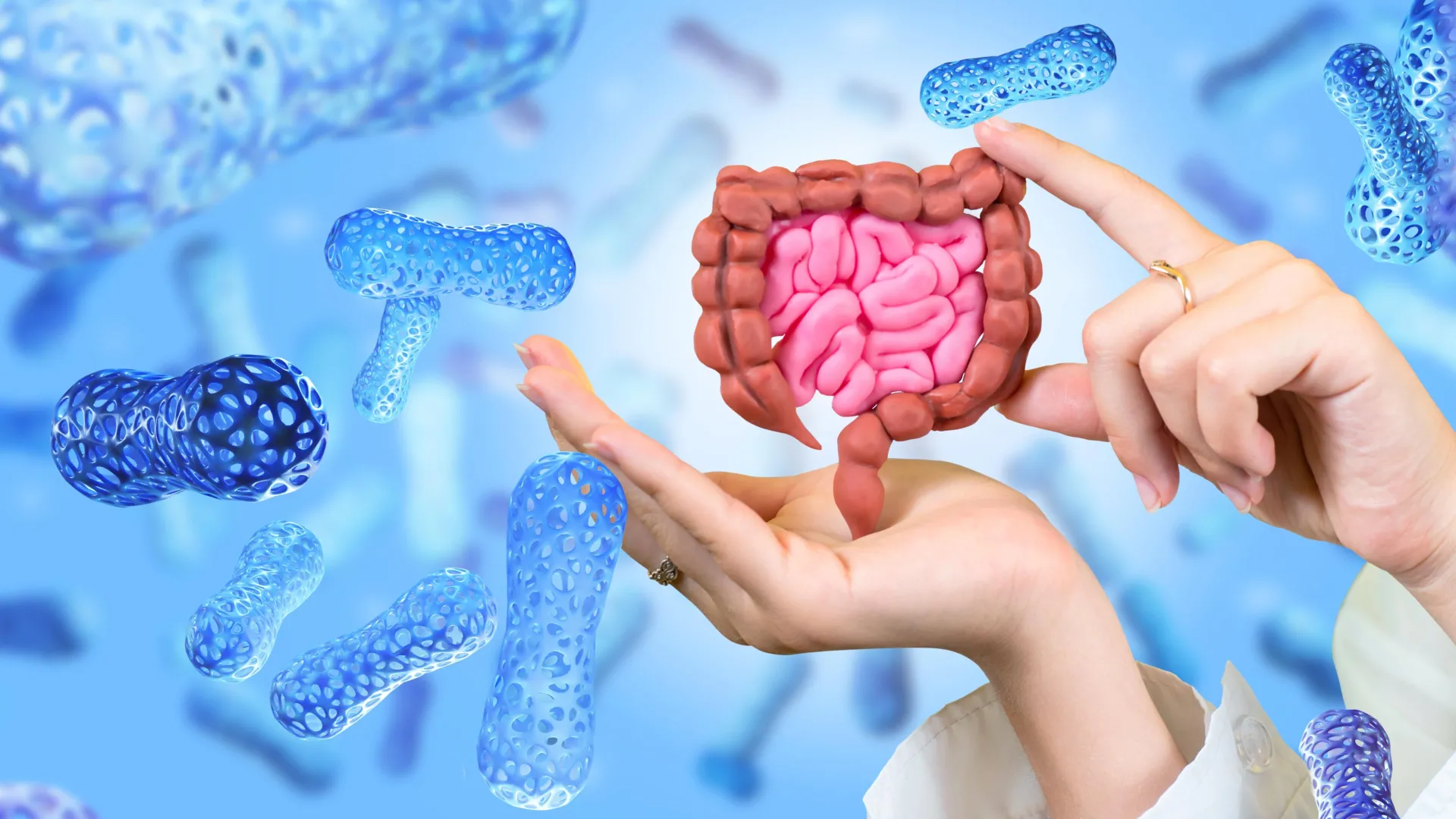
In studies, the engineered bacteria demonstrated a remarkable ability to home in on pancreatic tumors. Because they are obligate anaerobes, they are rapidly cleared from healthy, oxygenated organs, minimizing systemic toxicity—a common failure point for many conventional cancer drugs.
Potentiation Through Synergy
Perhaps the most compelling evidence lies in the treatment’s synergistic effects. When used as a monotherapy, BifidoSumIL-2 slowed tumor growth and invigorated the immune microenvironment by increasing the presence of CD8+ T cells. However, when paired with established therapies, the results were even more profound:
- Chemotherapy and Radiotherapy: The bacterial therapy sensitized tumors to conventional treatments, leading to significantly enhanced tumor regression.
- Anti-PD-L1 Immunotherapy: The combination strategy overcame the "cold" nature of the tumor, essentially "heating up" the immune response and extending survival rates significantly compared to control groups.
Official Responses and Expert Insight
The project required a massive collaborative effort across various departments at the University of Chicago. Mark Mimee, PhD, Assistant Professor of Microbiology, highlighted the complexity of the genetic engineering required to make this therapy a reality.
"This was a highly interdisciplinary effort," Mimee explained. "Bifidobacterium is not the easiest organism to work with. It’s anaerobic, it grows slowly, and the genetic tools for manipulating it are much more limited compared to model bacteria like E. coli. A lot of the work was just figuring out how to reliably engineer it."
The team’s success serves as a blueprint for future synthetic biology applications in medicine. By moving away from "one-size-fits-all" systemic treatments and toward localized, site-specific drug delivery, the researchers believe they have opened a new door for treating solid tumors that were previously considered "undruggable."
Implications: The Future of "Bugs as Drugs"
The implications of this study extend far beyond pancreatic cancer. The "bugs as drugs" approach is a rapidly growing field that aims to harness the natural behaviors of microbes to act as smart, living therapeutics.
Next Steps in Clinical Translation
While the preclinical results are highly encouraging, the research team remains cautious and diligent. Future studies are already being planned to address:
- Long-term Safety: Determining if there are any lingering effects of the engineered bacteria in the body.
- Administration Routes: Investigating whether the treatment can be delivered orally, which would significantly increase patient comfort and accessibility.
- Combination with Emerging Therapies: Exploring the potential for pairing BifidoSumIL-2 with next-generation drugs, such as KRAS inhibitors, which have recently shown promise in specific pancreatic cancer subsets.
A New Era of Cancer Care
The University of Chicago’s work arrives at a pivotal time for oncological research. With the upcoming opening of the AbbVie Foundation Cancer Pavilion in April 2027, the institution is positioning itself to be at the epicenter of these translational discoveries. As the first freestanding cancer pavilion in Chicago, the facility will serve as a hub for integrating these high-level biological discoveries into clinical practice, offering patients access to the next generation of immunotherapy.
For patients and families facing the diagnosis of pancreatic cancer, this research offers more than just scientific data—it offers a tangible vision of a future where tumors are no longer impenetrable fortresses, but instead, vulnerabilities that can be exploited by the very microbes that inhabit our bodies. The "mountain" of pancreatic cancer may not yet be conquered, but for the first time in a long time, the path to the summit is beginning to clear.
The study, titled "Engineered probiotic Bifidobacterium for tumor-targeted pancreatic cancer therapy," was supported by the Ludwig Foundation and the National Institutes of Health. Key contributors included Jaehyun Lee, Kaiting Yang, Christina Nowicki, Wei Liu, Emile Naccasha, and Hua Liang from the University of Chicago, alongside researchers from the University of Texas Southwestern and Tsinghua University.