Featured Buzz – January 11, 2026
The landscape of respiratory medicine is undergoing a profound transformation. As diagnostic technologies evolve, the integration of Artificial Intelligence (AI) and point-of-care imaging is moving beyond theoretical research and into the realm of clinical practice. Recent breakthroughs from premier academic institutions—Mount Sinai, the University of Chicago, and the University of California, San Francisco—highlight a common thread: by leveraging high-velocity data and novel biomarkers, clinicians can detect disease earlier, predict treatment outcomes with greater precision, and curb the global crisis of antibiotic overuse.
I. AI-Driven ECG Analysis: A New Frontier for COPD Screening
Chronic Obstructive Pulmonary Disease (COPD) remains one of the leading causes of morbidity and mortality worldwide, yet it is notoriously underdiagnosed in its early stages. Traditionally, diagnosis relies on spirometry—a lung function test that is often unavailable in primary care settings or omitted during routine physicals.
The Mount Sinai Breakthrough
Researchers from the Mount Sinai Health System have introduced a potential paradigm shift: utilizing the standard 12-lead electrocardiogram (ECG) as a screening tool for COPD. While ECGs are the bedrock of cardiology, their ability to reveal structural lung changes through electrical cardiac activity has been historically underutilized.
Chronology and Methodology
The study, published in eBioMedicine, represents a massive undertaking in clinical data science. Investigators aggregated 208,231 ECGs from 18,225 patients with confirmed COPD across five Mount Sinai hospitals. These were cross-referenced against a control group of 552,771 ECGs from 59,356 individuals, meticulously matched for age, sex, and race to ensure statistical robustness.
Using this expansive dataset, the team trained a Convolutional Neural Network (CNN)—a form of deep learning AI particularly adept at identifying patterns in complex visual data. The model was designed to isolate "electrocardiographic signatures" indicative of pulmonary hyperinflation and cardiac stress associated with COPD.
Implications for Primary Care
The researchers are clear: AI-enhanced ECGs are not intended to replace the gold standard of spirometry. Instead, they serve as a "pragmatic gatekeeper." By integrating this AI tool into routine clinical visits, physicians could flag at-risk patients who would otherwise remain undiagnosed until they reach a state of acute respiratory distress. "Earlier recognition may facilitate timely smoking cessation, targeted therapies, and pulmonary rehabilitation," the authors noted, emphasizing that these interventions can significantly slow disease progression and alleviate the mounting burden on healthcare systems.
II. Precision in Pediatrics: Lung Ultrasound for VLBW Infants
For neonatologists, the decision to extubate a very low birth weight (VLBW) infant is a high-stakes clinical tightrope. Extubating too early risks respiratory failure and reintubation, while delaying extubation increases the risk of ventilator-associated pneumonia and long-term lung injury.
The University of Chicago Study
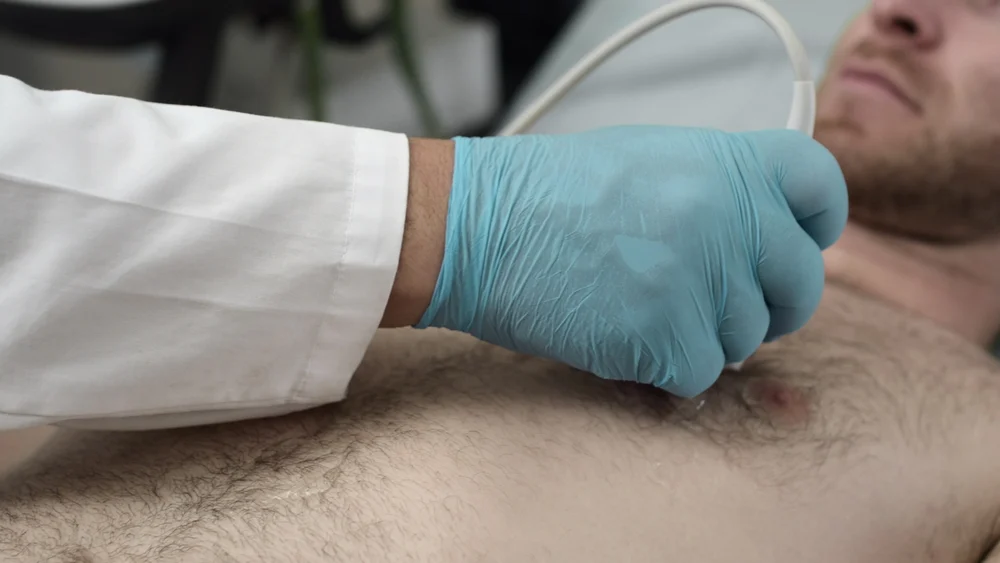
A study published in the Journal of Perinatology provides a new tool for this delicate decision-making process. Researchers at the University of Chicago explored whether lung ultrasound (LUS) scores could serve as a reliable predictive marker for successful extubation in VLBW infants suffering from respiratory distress syndrome.
Supporting Data
The study tracked 45 VLBW infants undergoing a total of 53 extubation attempts. The protocol required a standardized LUS scan three to six hours prior to each attempt. By comparing these scores against actual outcomes—defined by whether the infant required reintubation within seven days—the team identified a high correlation between LUS findings and clinical success.
Clinical Takeaways
The findings suggest that a neonatal-adapted LUS score is an exceptional predictor of readiness. Furthermore, the study offered an interesting secondary finding: dexamethasone treatment, often used in neonatal care, was not associated with lower LUS scores, helping clinicians distinguish between pharmacological effects and genuine physiological lung readiness. This research empowers neonatal units to make data-driven decisions, reducing the trauma associated with failed extubation attempts and minimizing time spent on invasive mechanical ventilation.
III. Combating Antibiotic Overuse: AI and Biomarkers in the ICU
The over-prescription of antibiotics in critically ill patients is a global health threat, contributing to the rise of multidrug-resistant organisms. Distinguishing between a lower respiratory tract infection (LRTI) and non-infectious inflammation in the ICU has historically been a diagnostic challenge.
The UCSF Diagnostic Model
Researchers at the University of California, San Francisco (UCSF), have unveiled a multi-modal diagnostic approach that combines biological data with Generative AI. Their study, published in Nature Communications, introduces a model that integrates a specific biomarker—the protein FABP4—with AI-processed clinical documentation.
The Science Behind the Model
FABP4, a protein found in lung fluid, plays a crucial role in regulating inflammation. The research team discovered that its expression is significantly reduced in the presence of an infection compared to sterile inflammation. By feeding this biomarker data, along with chest X-ray reports and clinical notes, into a HIPAA-compliant GPT-4 interface, the researchers created a diagnostic engine capable of analyzing the "big picture" of a patient’s health.
Performance and Future Directions
In an observational study of critically ill adults, the model achieved a 96% diagnostic accuracy rate, significantly outperforming human clinicians. The implications for antibiotic stewardship are profound: the authors estimate that widespread adoption of this model could reduce inappropriate antibiotic prescriptions by more than 80%.
"This study suggests that integrating a host biomarker with large language model analysis can improve LRTI diagnosis in critically ill adults," the authors stated. The UCSF team is now moving toward validating this model for broader clinical use and is already exploring its application for the rapid diagnosis of sepsis, which remains one of the deadliest conditions in the ICU.
IV. Synthesis and Future Outlook
The common thread connecting these three studies is the shift from subjective, experience-based medicine to objective, data-driven insights.
The Evolution of Clinical Workflow
- For COPD: The AI-ECG model turns a ubiquitous, low-cost diagnostic test into a powerful screening tool, democratizing access to early detection.
- For Neonates: Lung ultrasound provides an immediate, non-ionizing way to assess pulmonary health, reducing the reliance on clinical "gut feeling."
- For the ICU: The integration of biomarkers and Generative AI provides a "second opinion" that is both faster and more accurate than current clinical standards, directly impacting antibiotic stewardship.
Official Responses and Challenges
While the medical community has responded with optimism, experts caution that the path to widespread adoption requires rigorous regulatory scrutiny. The integration of "black box" AI models into clinical workflows raises questions about accountability, data privacy, and the need for constant model retraining to account for changing patient populations.
However, the authors of these studies remain optimistic. By providing clinicians with tools that augment rather than replace their judgment, these technologies address the most persistent bottlenecks in modern medicine. Whether it is the primary care physician screening for COPD, the neonatologist deciding to remove a ventilator, or the intensivist prescribing life-saving—but potentially overused—antibiotics, the integration of AI is proving that technology, when paired with biological insight, is the most effective way to improve patient outcomes.
As these models move from journals like eBioMedicine, the Journal of Perinatology, and Nature Communications into hospital pilot programs, the healthcare industry must prepare for a new standard of care: one where data is as essential to the diagnostic process as the stethoscope.
For further reading on these developments, visit the full papers linked below: