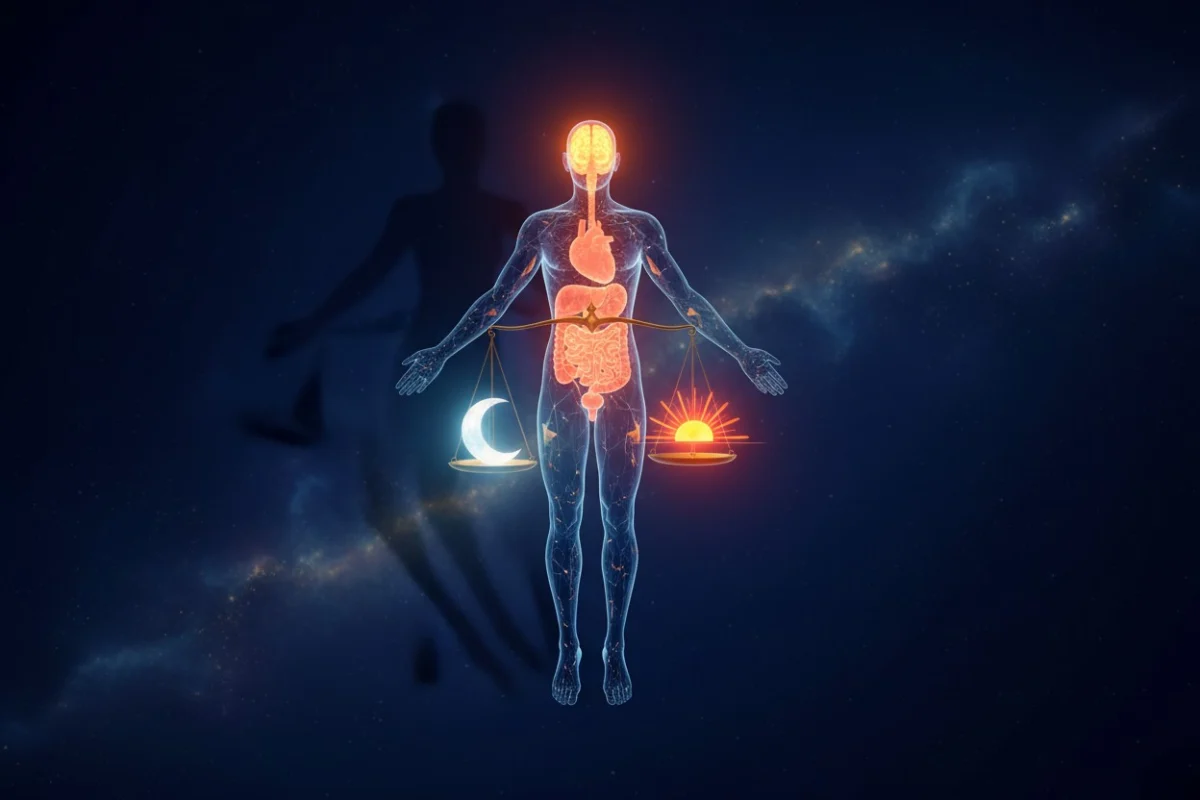
For decades, the medical community has recognized sleep as a pillar of health, often categorized alongside diet and exercise as a primary determinant of longevity. However, a landmark study from Columbia University, recently published in the journal Nature, has fundamentally shifted our understanding of this relationship. By leveraging the power of advanced machine learning and multi-omic data, researchers have revealed that the duration of our sleep is not merely a lifestyle preference; it is a systemic regulator that influences the biological aging process of nearly every organ in the human body.
The findings suggest that when it comes to sleep, "more" is not always "better," and "less" is rarely enough. Instead, there exists a biological "sweet spot"—a narrow window of duration that serves as a protective buffer against the ravages of physiological time.
Main Facts: The U-Shaped Curve of Longevity
The study, led by Junhao Wen, an assistant professor of radiology at Columbia University’s Vagelos College of Physicians and Surgeons, analyzed data from approximately 500,000 participants within the UK Biobank. Using a sophisticated computational approach, the research team constructed 23 distinct "biological aging clocks." These clocks were derived from structural medical imaging, specific organ-related proteins, and blood-based molecular signatures.
The core discovery is a striking U-shaped relationship between sleep duration and biological age. Those who fall into the "sweet spot"—defined as 6.4 to 7.8 hours of sleep per night—exhibit the slowest rates of biological aging. Conversely, individuals who consistently sleep fewer than six hours or more than eight hours show accelerated signs of aging across their brain, heart, lungs, and immune systems.
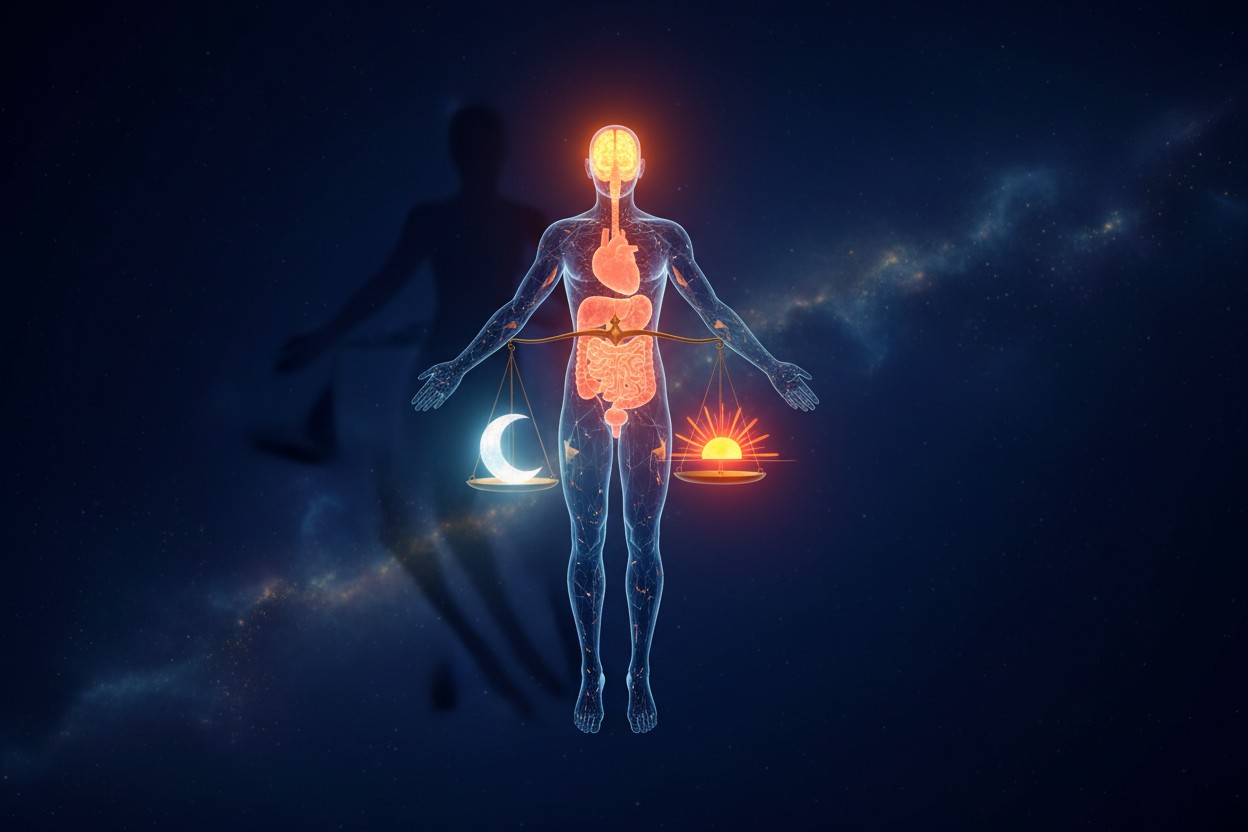
This research suggests that sleep is not an isolated neurological event; rather, it is a whole-body process. Whether the body is deprived of rest or overburdened by excessive slumber, the biological consequences are mirrored in the molecular degradation of vital organs, effectively making the body "older" than its chronological years would suggest.
Chronology of the Research: From Data to Discovery
The path to these findings was paved by the integration of Big Data and artificial intelligence. The methodology, while complex, follows a clear chronological progression in how the researchers approached the biological aging process:
Phase I: Developing the Clocks
The researchers first sought to define what "aging" looks like at a molecular and structural level. By training machine learning models on a massive dataset, they identified signatures of aging in 17 distinct organ systems. This was not a simple observation of physical decline; it was a multi-layered analysis that synthesized structural measurements from imaging and biochemical markers from blood samples.
Phase II: Mapping Sleep to Aging
Once the "clocks" were established, the team mapped the self-reported sleep habits of the half-million participants against these clocks. This allowed for a direct correlation analysis between daily sleep duration and the biological "age" of specific organs.
Phase III: Identifying the "Sweet Spot"
By aggregating the data, the researchers observed a clear, consistent pattern. The U-shaped curve emerged across nearly all 17 organ systems, identifying the 6.4 to 7.8-hour range as the optimal duration for biological maintenance.
Phase IV: Mediation Analysis
Finally, the researchers applied mediation analysis to understand how these sleep patterns correlate with specific health outcomes, such as late-life depression. This stage of the research was critical in distinguishing why both ends of the sleep spectrum—short and long—might lead to similar, albeit pathologically different, health declines.
Supporting Data: The Biological Burden
The study’s implications are perhaps most alarming when viewed through the lens of chronic disease. The data indicates that sleep duration serves as a precursor to—or a marker of—a wide variety of systemic health failures.
The Consequences of Short Sleep
For individuals clocking in under six hours, the physiological impact is profound. The study identified significant associations with:
- Cardiovascular Health: Ischemic heart disease and arrhythmias.
- Metabolic Disorders: Type 2 diabetes and obesity.
- Mental Health: Chronic anxiety disorders and depressive episodes.
- Immune Stress: Evidence suggests that sleep deprivation triggers an immune response similar to physical trauma, characterized by elevated white blood cell counts, which further accelerates cellular aging.
The Consequences of Long Sleep
Long sleep—defined here as over eight hours—is often perceived as a "healthy" habit, yet the data suggests otherwise. Chronic long sleepers were found to have increased susceptibility to respiratory issues, including asthma and chronic obstructive pulmonary disease (COPD), as well as a range of digestive disorders, such as gastritis and gastroesophageal reflux disease (GERD).
The significance of these findings lies in the systemic nature of the risk. Because the aging clocks covered 17 different organ systems, the researchers could definitively state that the impact of poor sleep is not localized. It is a total-body phenomenon.
Official Responses and Expert Perspectives
Junhao Wen, the study’s lead author, emphasized that while the findings are revolutionary, they require a nuanced interpretation. "Previous studies have found that sleep is largely linked to aging and the pathological burden of the brain," Wen noted. "Our study goes further and shows that too little and too much sleep are associated with faster aging in nearly every organ."
Wen’s team was careful to clarify that the study does not definitively prove causation. It is possible that underlying, undiagnosed health conditions might cause an individual to sleep too much or too little, rather than the sleep habits themselves causing the disease. However, the strength of the association across such a vast dataset makes a compelling case for the role of sleep as a "modifiable lifestyle factor."
Other medical experts in the field have lauded the study for its use of multi-omic layers. By looking beyond simple questionnaires and incorporating blood biomarkers and structural imaging, the research avoids the pitfalls of subjective reporting. The consensus among the academic community is that this research provides a roadmap for future clinical trials, which will likely be necessary to determine if improving sleep hygiene can actively "reset" or slow down these biological clocks.
Implications: A New Era of Preventative Medicine
The implications of this research for public health are vast, particularly regarding the management of aging-related diseases.
Rethinking Late-Life Depression
One of the most compelling insights from the study involves the management of late-life depression. The research suggests that the biological pathways leading to depression are distinct for short sleepers versus long sleepers. For short sleepers, the connection appears to be more direct. For long sleepers, the depression may be mediated by pathways related to the aging of the brain and adipose tissue (fat tissue).
This distinction is vital for clinicians. It implies that a "one-size-fits-all" approach to treating sleep-related depression will likely fail. Instead, treatment must be personalized based on the patient’s biological aging profile and sleep duration.
Modifiable Lifestyle Factors
Perhaps the most optimistic takeaway is that sleep is a modifiable factor. Unlike genetics or chronological age, sleep schedules can be altered. The researchers point to natural strategies—such as maximizing bright light exposure during the day to reset the circadian rhythm and adhering to consistent "lights-out" times—as critical interventions.
By targeting sleep as a means to slow biological aging, medicine may soon be able to offer a new form of preventative care. If the "sweet spot" of 6.4 to 7.8 hours can be achieved by the general population, the potential to reduce the burden of chronic diseases—ranging from hypertension to cognitive decline—is immense.
Future Directions
The research team at Columbia University is already looking toward the next phase of inquiry. Future studies will focus on longitudinal data to see if changes in sleep duration over time lead to measurable changes in the aging clocks. They also aim to investigate whether interventions aimed at improving sleep quality—rather than just duration—can yield similar anti-aging benefits.
As the scientific community continues to unravel the complexities of human physiology, the "Sleep Paradox" stands as a reminder of our biological limits. We are rhythmic beings, and our internal clocks demand a specific cadence of rest to remain in harmony with our chronological years. The path to longevity, it seems, is not found in the extremes, but in the moderate, rhythmic balance of the night.