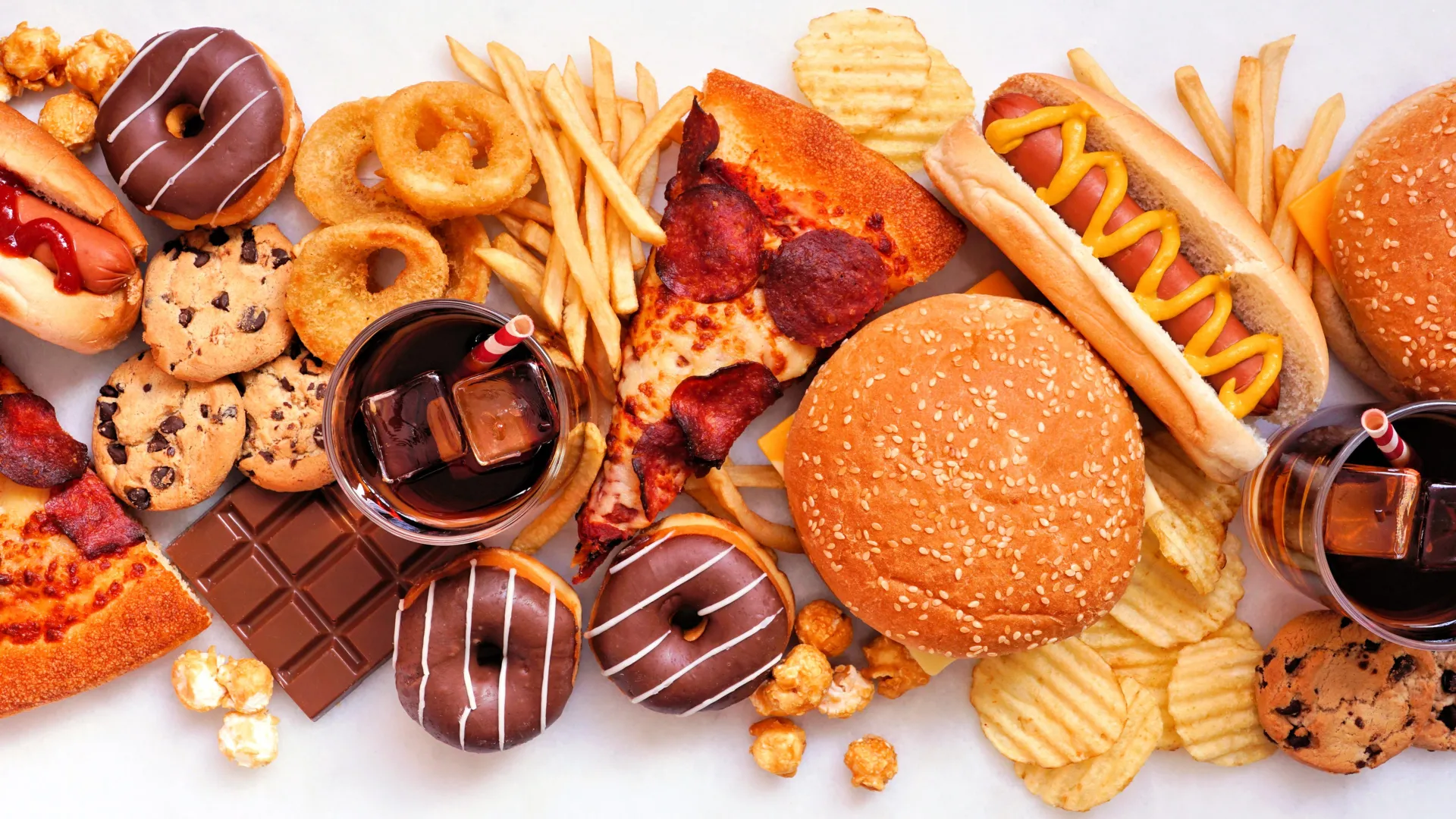
In the modern American diet, the line between nourishment and industrial engineering has become increasingly blurred. Ultra-processed foods (UPFs)—a category encompassing everything from mass-produced soft drinks and packaged cereals to shelf-stable snacks and processed meats—have become the cornerstone of the average diet. According to recent health data, these items now account for nearly 60% of the daily caloric intake for U.S. adults and a staggering 70% for children. While these products are designed for convenience, flavor, and long shelf life, a growing body of evidence suggests their metabolic cost is far higher than the price tag at the checkout counter.
New research from Florida Atlantic University’s (FAU) Charles E. Schmidt College of Medicine has added a sobering finding to this discourse: a significant association between the consumption of UPFs and an increased risk of prostate cancer. As prostate cancer remains the most frequently diagnosed cancer among American men and the second leading cause of cancer-related mortality in that demographic, this study, published in The American Journal of Medicine, serves as a critical warning for public health officials and clinicians alike.
The Science of Processing: Why UPFs Matter
To understand the gravity of the new findings, one must first define the enemy. UPFs are not merely "processed"; they are industrially formulated. Using the NOVA classification system, scientists categorize these foods as products manufactured primarily from substances extracted from foods (such as refined oils, fats, sugars, starches, and proteins) and additives (such as artificial colors, flavors, and emulsifiers) with little to no intact whole food.
The physiological impact of this dietary shift is profound. Research suggests that these foods may disrupt human metabolism, promote systemic inflammation, and induce oxidative stress. Furthermore, there is growing suspicion that the additives and chemical structures found in UPFs alter the human gut microbiome—the complex ecosystem of bacteria in our digestive tracts—which plays a vital role in immune function and disease prevention. Until this recent FAU study, however, the direct epidemiological link between high UPF intake and prostate cancer remained largely unexplored.
Chronology of a Public Health Investigation
The journey to this discovery began with a deep dive into two decades of longitudinal data. Researchers analyzed information from 17,024 American men, ages 18 and older, who participated in the National Health and Nutrition Examination Survey (NHANES) between 2003 and 2023. This survey is considered a "gold standard" for national health metrics, providing a representative snapshot of the U.S. population’s dietary habits and medical outcomes.
To ensure accuracy, the study team analyzed two 24-hour dietary recalls from each participant, mapping their intake against the NOVA classification system. Participants were divided into four distinct cohorts based on the percentage of their daily calories derived from ultra-processed sources:
- Low consumption: Less than 20% of daily calories.
- Moderate consumption: 20% to 32%.
- High consumption: 32% to 44%.
- Highest consumption: Greater than 44%.
The results were stark. When comparing the lowest consumption group to the three higher intake brackets, researchers found a 29% increase in the risk of prostate cancer. Specifically, those in the top two tiers of consumption faced a 30% higher risk compared to their peers who favored minimally processed or whole foods.
Statistical Rigor and Emerging Trends
Critics of nutrition studies often point to "confounding variables"—factors like poverty, smoking, or age that could influence health outcomes independently of diet. To account for this, the FAU research team applied rigorous statistical adjustments, controlling for age, race, ethnicity, smoking status, and socioeconomic factors.
Even after these adjustments, the link between UPFs and prostate cancer remained statistically significant, with the increased risk hovering between 24% and 31%. While the group with the absolute highest intake showed a potential 34% increase in risk, this specific data point did not reach full statistical significance, a nuance the authors attributed to the smaller sample size of prostate cancer cases within that specific subset.
"Among adult men in this nationally representative U.S. population, those who consumed higher amounts of UPFs had significantly higher risks of the subsequent development of prostate cancer," said Charles H. Hennekens, M.D., the senior author of the study and the First Sir Richard Doll Professor of Medicine and Preventive Medicine at FAU. "These findings add to emerging evidence that UPFs have major adverse health effects and underscore the need for large-scale observational studies and randomized trials to adequately test the hypothesis."
A Broader Pattern of Health Decline
This study does not exist in a vacuum. It builds upon a decade of research linking UPFs to a wide range of chronic ailments, including obesity, metabolic syndrome, cardiovascular disease (specifically heart attacks and strokes), and premature mortality.
The authors of the study argue that we are currently at a crossroads similar to the mid-20th century, when the medical community first began to identify the dangers of tobacco. Just as it took decades of accumulating evidence and public health advocacy to shift the cultural and policy landscape regarding cigarettes, the researchers believe the food industry and the public health sector are now entering a similar period of reckoning.
The tension, they note, lies in the conflict between the profit-driven interests of the global food industry and the nutritional needs of the public. With ultra-processed items designed to be hyper-palatable and inexpensive, the incentive structure currently favors the continued proliferation of these products over the long-term health of the consumer.
The Path Forward: Implications for Policy and Practice
Addressing the "UPF problem" is not as simple as telling individuals to "eat better." As co-author Timothy De Ver Dye, Ph.D., professor and chair of FAU’s Department of Population Health, points out, systemic barriers are significant.
"Reducing consumption of UPFs is a complex public health challenge, particularly given how prevalent and accessible these products are," Dr. De Ver Dye noted. "Healthcare providers should recognize that many patients face barriers to accessing and affording healthier food options. Addressing these challenges will require efforts that extend beyond individual choices to support greater access to nutritious, minimally processed foods."
The implications for the medical community are clear. Doctors and clinicians are being encouraged to move beyond traditional dietary advice. Instead of focusing solely on caloric restriction, they are urged to consider the quality of the food being consumed. Encouraging patients to transition toward whole-food diets—and advocating for policy changes that make such diets more affordable—could be a critical front in the battle against cancer.
The Global Burden of Prostate Cancer
The urgency of these findings is underscored by the current trajectory of prostate cancer. In the United States, the American Cancer Society estimates that by 2026, more than 333,000 men will receive a prostate cancer diagnosis, with over 36,000 deaths annually. On a global scale, the International Agency for Research on Cancer reported nearly 1.5 million new diagnoses and 400,000 deaths in 2022 alone.
Given these figures, even a marginal reduction in risk through dietary modification could save tens of thousands of lives each year. Dr. Hennekens emphasizes that while this study is a significant step forward, it is not the end of the conversation. "All healthcare professionals should encourage patients to adopt healthy lifestyle practices and evidence-based therapies, while also helping them reduce their consumption of ultra-processed foods," he stated. "Patients and their healthcare providers should consider this finding as part of broader efforts to promote healthier dietary choices."
As the scientific community continues to dissect the complex relationship between industrial food production and human biology, the FAU study stands as a vital piece of the puzzle. It serves as a reminder that what we put on our plates today has long-term consequences that may not manifest for years—or even decades. The era of ignoring the "processed" nature of our modern diet is coming to a close; the era of demanding accountability and healthier alternatives must begin.