








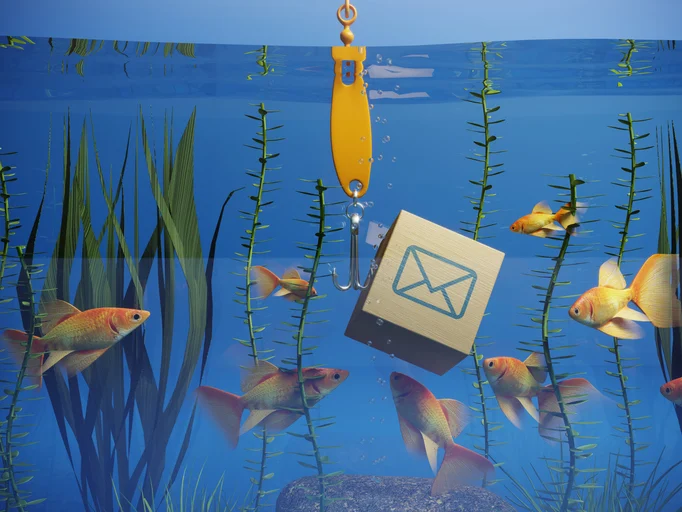
A wave of deceptive phishing attacks targeting patients across more than a dozen major health systems has triggered a nationwide cybersecurity alert. The campaign, which weaponizes the trusted MyChart patient portal brand, represents a significant escalation in the targeting of healthcare consumers. By leveraging the familiarity of Epic Systems’ widely used patient interface, cybercriminals are successfully bypassing traditional user skepticism to harvest sensitive personal, medical, and financial data.
The Anatomy of the Deception: Main Facts
The phishing campaign is characterized by its high level of professional execution, distinguishing it from the "spray-and-pray" spam of years past. Instead of relying on poorly written emails, these bad actors are meticulously mimicking the visual language of Epic’s MyChart platform.
The primary objective of these actors is to induce a sense of urgency or curiosity in the recipient. The scams typically fall into two distinct categories:
- The "Medicare Kit" Lure: Scammers send emails promising free "MyChart Medicare Kits" or "senior health packages." These messages direct users to a fraudulent domain—such as
mychart-epic.com—that mirrors the legitimate MyChart login portal. Once a patient enters their credentials, the attackers capture their username and password. Often, these sites then solicit "shipping" or "processing" fees, thereby harvesting credit card information. - The "Critical Lab" Scare: A more aggressive tactic involves alerting patients to "critical lab results." By manufacturing a health crisis, the attackers create a psychological state of urgency that discourages the patient from verifying the message’s origin. These emails often include links that, when clicked, trigger the download of malicious software (malware) or redirect the user to a page designed to steal login credentials.
Crucially, Epic Systems has clarified that its core infrastructure has not been breached. The attack is a "brand impersonation" scheme, capitalizing on the ubiquity of the MyChart name rather than exploiting a technical vulnerability in Epic’s software.
Chronology of the Threat
While healthcare cybersecurity incidents are unfortunately common, this specific campaign has gained momentum throughout late August 2026.
- Early August 2026: Initial reports began surfacing across regional health systems as patients reported receiving unsolicited emails regarding "health benefits."
- Mid-August 2026: Cybersecurity researchers and Epic’s internal security teams identified a pattern of lookalike domains being registered. The volume of reports increased as the scammers expanded their target list to include patients from diverse geographical regions.
- Late August 2026: More than a dozen health systems issued public warnings, advising patients to be hyper-vigilant. Epic officially updated its user safety guidelines, providing specific examples of fraudulent domains and urging users to verify the URL before entering any information.
The Psychology of Trust: Why Patients Are Vulnerable
To understand the success of this campaign, one must look beyond the technical aspects of the email. Experts in behavioral science and cybersecurity emphasize that the architecture of modern healthcare communication is inadvertently aiding the scammers.
Amy Bucher, chief behavioral officer at the patient engagement startup Lirio, notes that patients operate under "mental shortcuts." In the modern digital age, patients receive an avalanche of notifications from pharmacies, insurance providers, and healthcare portals.
"In many cases, patients aren’t deciding whether a message is authentic. They’re deciding whether it feels authentic," Bucher explains.
When a healthcare organization sends generic, impersonal notifications, they train the patient to expect "bland" communication. If the phishing email mimics this "blandness," it effectively blends in. Conversely, if a health system uses highly personalized, relationship-based communication, any anomaly becomes immediately apparent to the patient. The implication is clear: the more a hospital system invests in meaningful, transparent, and consistent communication, the more resilient its patient base becomes against social engineering.
Expert Analysis: The Cybersecurity Perspective
Jackie Mattingly, senior director of consulting services at the cybersecurity firm Clearwater, warns that the industry must stop shifting the burden of security onto the patient.
"We should not expect patients to identify a scam simply because of bad grammar, an unusual logo, or an obviously suspicious message," Mattingly says. "Phishing is becoming much more polished and personalized."
Mattingly advocates for a fundamental shift in how healthcare providers manage their perimeter. She suggests that hospitals must integrate patient-facing phishing into their broader organizational cybersecurity strategy. This includes:
- Proactive Monitoring: Organizations should employ brand-protection services that scan the web for unauthorized domains using their trademarks or logos.
- Pre-emptive Communication: By educating patients about how the health system communicates—and, more importantly, how it does not—providers can create a "baseline of trust."
- Cross-Departmental Synergy: Security, clinical, and communications teams must be aligned. When a security breach or impersonation campaign is detected, the communications team must be ready to issue a pre-approved, clear, and calm message to the patient base within hours, not days.
Official Responses and Strategic Implications
Epic Systems has taken a proactive stance in mitigating the damage. Their official guidance to users is simple but strict: Always access MyChart through the direct link provided by your specific healthcare provider or the official MyChart app. They emphasize that legitimate notifications will never ask for payment to receive a "kit" or "benefit."
For health systems, the implications of this campaign are far-reaching. The loss of patient trust is perhaps the most significant danger. If a patient is successfully phished, they may lose faith in the digital tools their provider offers, leading to decreased portal engagement, poorer follow-up on lab results, and increased administrative burdens on clinical staff who must handle the fallout of compromised accounts.
Best Practices for Patients and Providers
To combat the ongoing threat, experts recommend a dual-track approach:
For Patients:
- Verify the Source: If an email seems urgent, do not click the link. Instead, open a web browser and type the known URL of your provider’s portal manually.
- The "Relationship Test": Ask yourself, "Is this consistent with how my doctor usually communicates with me?"
- Report Suspicious Activity: If you receive a suspicious message, contact your provider’s IT department or help desk immediately.
For Healthcare Organizations:
- Implement DMARC/SPF/DKIM: Ensure email authentication protocols are strictly configured to prevent spoofing of the organization’s domain.
- Transparency in Design: Standardize the look and feel of legitimate patient communications so that any deviation is obvious.
- Assume Compromise: Prepare for the scenario where patients will be fooled. Have a clear incident response plan that includes account password resets and identity theft resources for victims.
Conclusion: A New Frontier in Digital Hygiene
The current phishing campaign targeting MyChart users is a sobering reminder that healthcare, as a sector, remains a high-value target for cybercriminals. As the industry continues to digitize, the "human firewall"—the patient—becomes the most critical component of the security architecture.
Ultimately, the goal is to foster an environment where patients are not just passive recipients of medical data, but informed participants in their own digital security. By bridging the gap between clinical care and cybersecurity, health systems can build a more robust, trust-based ecosystem that is significantly harder for malicious actors to infiltrate. The "MyChart" incident is likely not a one-off event, but rather a preview of the challenges that lie ahead in the age of sophisticated, brand-focused cybercrime.