







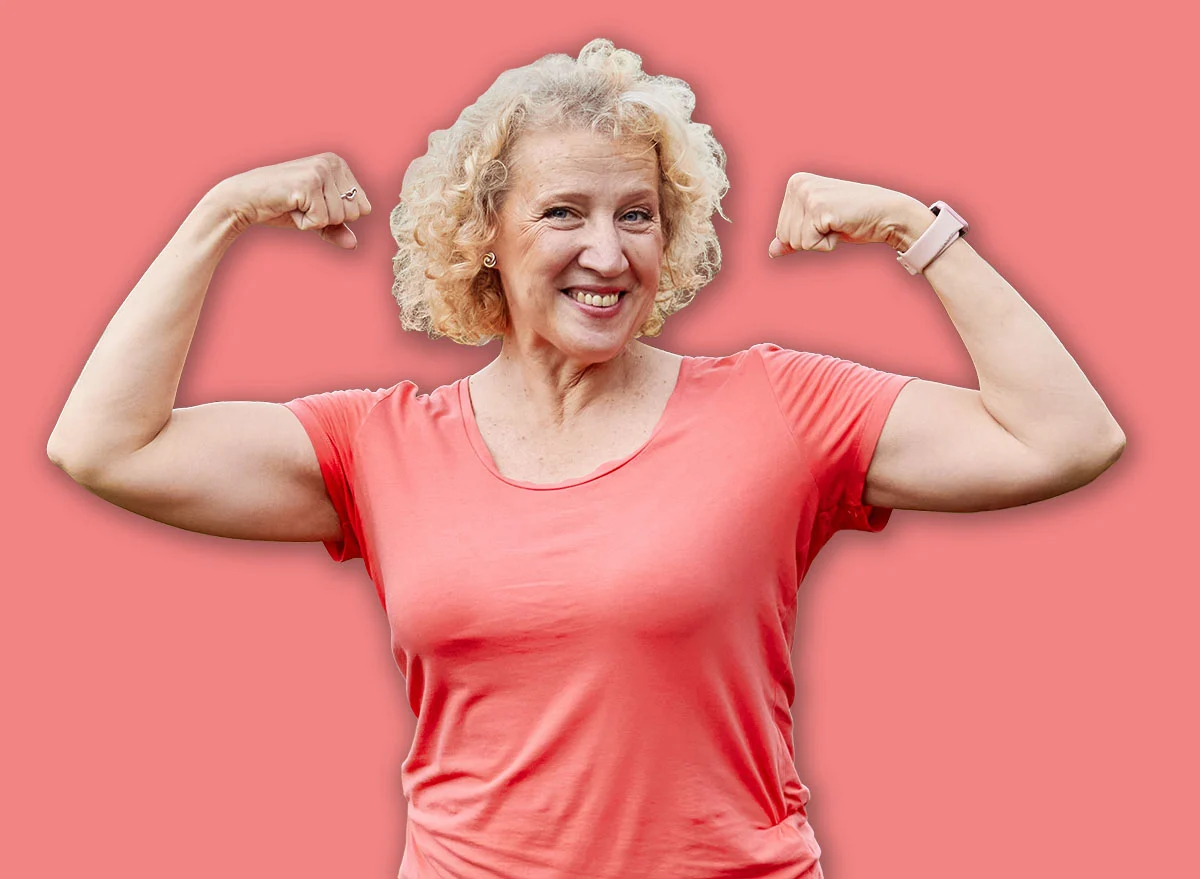
In the landscape of longevity science, few interventions offer as high a return on investment as consistent strength training. While the pursuit of a toned physique often centers on aesthetics, the functional implications of maintaining muscle mass—particularly in the upper body—are profound. As we navigate our sixties and beyond, the battle against sarcopenia (the age-related loss of muscle mass) becomes a central pillar of maintaining independence and metabolic health.
Recent research has underscored that you don’t need to spend hours under heavy barbells to reap the benefits. By integrating targeted, daily movements into your morning routine, you can effectively combat "sagging" arms, improve shoulder mobility, and build the foundational strength required for the activities of daily living.
The Science of Longevity: Why Strength Training is Essential
The medical community has reached a consensus: muscle is the organ of longevity. A landmark study, which tracked over 147,000 individuals over a 30-year period, revealed that committing to just 90 to 120 minutes of strength training per week is associated with a significant reduction in all-cause mortality.
Crucially, the data suggests that these gains are most potent in mitigating the risks of cardiovascular and neurological diseases. When we train our muscles, we aren’t just improving our silhouette; we are improving our body’s ability to process glucose, regulate inflammation, and maintain structural integrity. For those over 60, the focus shifts from "bodybuilding" to "body maintenance." By stimulating muscle protein synthesis, we preserve the strength needed to carry groceries, lift grandchildren, and maintain the balance required to prevent injurious falls.
Expert Insight: Building a Sustainable Foundation
To navigate the best approach for those looking to firm up their arms without the need for a fully equipped gym, we consulted Jacob Siwicki, founder of Siwicki Fitness. With an illustrious background ranging from collegiate athletics at Dartmouth to being ranked the #1 personal trainer in Washington, D.C. (2021), Siwicki emphasizes that functionality must lead the way.
"I chose these specific exercises because they cover the essential movement patterns: pushing, pulling, elbow flexion, shoulder strength, and overhead movement," Siwicki explains. "These aren’t just gym movements; they are the patterns you need for real life—opening heavy doors, pushing yourself up from a chair, or reaching for a dish on a high shelf."
Siwicki notes that while heavy resistance is the gold standard for maximal hypertrophy, the accessibility of bodyweight movements is the "secret sauce" for consistency. "The advantage of this morning routine is that it is accessible enough to do every single day, effectively priming the arms and shoulders for everything else you will do throughout the day."
The Four Pillars of Arm Strength for Seniors
To achieve tangible results, consistency is far more important than intensity. Below are the four fundamental movements Siwicki recommends for anyone looking to revitalize their upper body strength.
1. The Wall Pushup: Reclaiming Your Push
The pushup is the "king" of upper-body exercises, but floor-based versions can be daunting or inaccessible for many. The wall pushup allows you to scale the difficulty while working the pectorals, deltoids, and triceps.
- The Technique: Stand arm-length away from a wall. Place your palms flat against the surface at shoulder height. Keeping your core engaged and your body in a straight line, bend your elbows to lower your chest toward the wall. Push back to the starting position with controlled effort.
- Why it works: It builds foundational chest and arm strength without putting excessive pressure on the wrists or lower back.
2. The Narrow Wall Pushup: Targeting the Triceps
Often, the "sagging" associated with aging arms is a result of tricep atrophy. By adjusting your hand placement, you can shift the focus from the chest to the back of the arms.
- The Technique: Perform a standard wall pushup, but bring your hands closer together—ideally within shoulder-width distance. Keep your elbows tucked in toward your ribcage as you descend, rather than letting them flare out.
- Why it works: By narrowing your grip, you force the triceps to do the heavy lifting, which helps tighten the skin and muscle on the back of the arms.
3. Towel Pull-Aparts: Strengthening the Posterior Chain
The upper back is frequently neglected, yet it is vital for posture. Rounded shoulders, a common side effect of age and sedentary desk work, make the arms appear less toned than they actually are.
- The Technique: Hold a towel or a resistance band in front of you with both hands, arms extended at shoulder height. Keeping your elbows straight, pull the ends of the towel apart, squeezing your shoulder blades together. Hold for a brief second before slowly returning to the start.
- Why it works: This move corrects "tech-neck" and rounded shoulders, pulling the frame back and creating a more upright, confident posture that highlights arm definition.
4. Wall Angels: Mobility and Shoulder Health
Strength is nothing without mobility. Wall angels act as both a strengthening exercise for the shoulders and a mobility drill to ensure your joints remain supple.
- The Technique: Stand with your back flat against a wall, feet a few inches away. Raise your arms to a "goalpost" position (elbows bent at 90 degrees). Try to keep your wrists and elbows in contact with the wall as you slowly slide your arms upward and downward.
- Why it works: This movement engages the smaller stabilizer muscles of the shoulder, which are often the first to fail as we age. A stronger shoulder joint allows for better performance in all other pushing and pulling movements.
Implications for Long-Term Health
The decision to adopt this routine carries implications far beyond the aesthetic goal of firmer arms. Integrating these movements into a morning ritual fosters a "movement-first" mindset. When you start your day by engaging your muscles, you are signaling to your nervous system that physical activity is a priority.
Furthermore, these exercises act as a "pre-habilitation" strategy. By strengthening the connective tissues around the shoulder and elbow, you reduce the likelihood of common injuries that often sideline older adults. Consistency is the primary driver of success here; Siwicki suggests performing these movements in a circuit fashion—10 to 15 repetitions of each—at least four days a week to start.
Closing the Gap: From Routine to Results
While these movements serve as an excellent starting point, the body is an adaptive machine. As you find these exercises becoming easier, the "progressive overload" principle must be applied. This means moving from wall pushups to countertop pushups, and eventually to floor-based pushups, or incorporating light resistance bands as your strength increases.
As you embark on this journey, remember that the goal is not to achieve the physique of a 20-year-old, but to honor the body you have by keeping it functional, strong, and resilient. By dedicating just ten minutes of your morning to these four movements, you aren’t just working on your arms—you are building a stronger, more capable version of yourself for the decades to come.
As Siwicki concludes, "The best exercise is the one you actually do. If you can commit to the morning, you’ve already won half the battle."