










For centuries, lettuce has occupied a peculiar position in the human diet. Often relegated to the role of a crunchy, water-filled backdrop—a mere garnish or a flimsy bed for more "serious" proteins—this leafy green has long suffered from a reputation of being nutritionally inert. However, a deeper examination of dietary science reveals that lettuce is far from a culinary afterthought. It is, in fact, a nutrient-dense powerhouse that has been supporting human health since the days of the Pharaohs.
As modern society grapples with an escalating crisis of chronic illness, including heart disease, age-related macular degeneration, and declining bone health, the humble lettuce leaf is emerging as a potent, low-cost intervention. By shifting our perspective from viewing lettuce as a decoration to recognizing it as a foundational health food, we can leverage its unique profile to improve long-term wellness.
A Historical Chronology: From Ancient Remedy to Modern Staple
The story of lettuce (Lactuca sativa) is one of the oldest in agricultural history. Its cultivation dates back over 4,500 years to Ancient Egypt. Unlike modern consumers, who often prize lettuce primarily for its texture, the Egyptians recognized it as a plant of profound medicinal significance.
- Ancient Beginnings (c. 2680 B.C.): Ancient Egyptians depicted lettuce in wall carvings and tomb paintings, associating it with Min, the god of fertility. Beyond its symbolic importance, historical records suggest that early civilizations utilized wild varieties of lettuce for their sedative and cooling properties.
- The Greco-Roman Era: By the time lettuce reached the tables of the Greeks and Romans, it was praised by physicians for its ability to induce sleep and soothe the digestive tract. Emperor Augustus is famously recorded as having erected a statue in honor of lettuce after it was credited with curing him of a severe illness.
- The Global Expansion: Throughout the Middle Ages and the Renaissance, selective breeding began to alter the plant, moving away from the bitter, wild varieties toward the tender, mild-flavored leaves we recognize today.
- The Modern Era: Today, lettuce is a global commodity, with four primary categories—butterhead, crisphead (iceberg), loose leaf, and romaine—dominating the market. Despite this ubiquity, the transition to fast-food culture in the 20th century turned lettuce into a standardized, sometimes neglected component of the "side salad," masking its true potential as a therapeutic food.
The Science of Nutritional Density: Why Color Matters
The common critique that lettuce is "just water" is technically true—at 94% to 95% water content—but it is also misleading. Its high water content is exactly what makes it a valuable tool for weight management and hydration. However, the true nutritional value lies in the remaining 5% of the leaf’s composition.
When analyzing the nutrient profile, a clear hierarchy emerges based on pigmentation. The rule of thumb for consumers is simple: The darker the leaf, the higher the nutrient density.
Comparative Nutrient Profiles
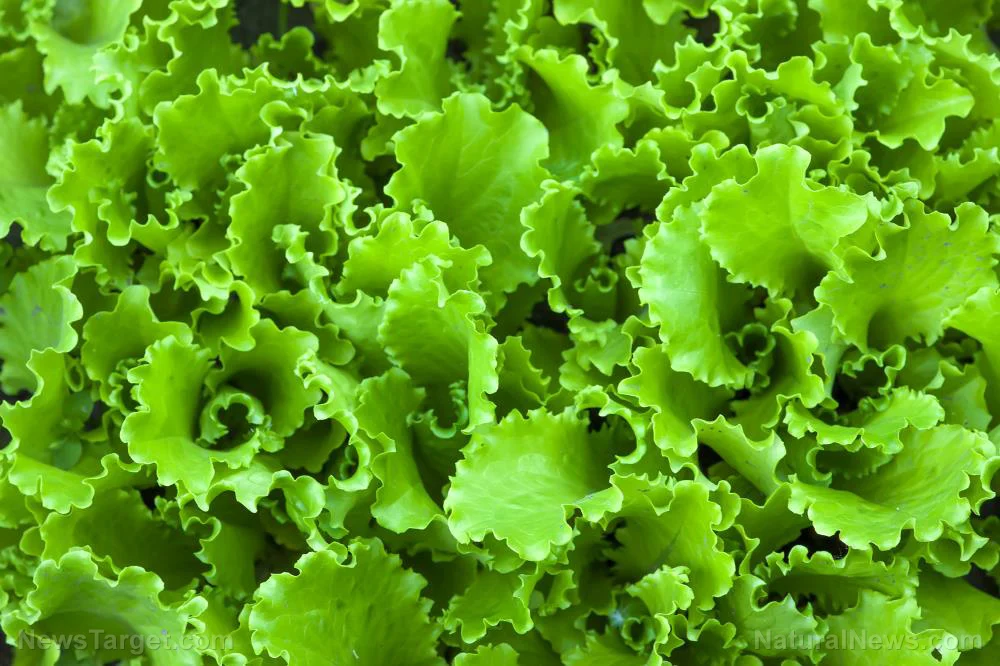
While iceberg lettuce is a favorite for its satisfying crunch, it ranks lower on the nutritional scale compared to its darker cousins. Red leaf and green leaf varieties contain between six and 20 times the concentration of vitamin A, vitamin K, and lutein than the pale, tightly packed iceberg.
- Folate: A single cup of shredded lettuce provides approximately 40 micrograms of folate, a B-vitamin essential for DNA synthesis and cellular repair.
- Vitamin A: With 205 micrograms per cup, lettuce provides a significant portion of the daily requirement, supporting skin health, immune function, and vision.
- Vitamin K: Offering 56 micrograms per cup, lettuce serves as an excellent source of this critical nutrient for bone metabolism and blood coagulation.
Bone Health and Cardiovascular Integrity: The Role of Vitamin K
One of the most compelling reasons to increase lettuce consumption involves the synergistic relationship between Vitamin K and calcium. Vitamin K1, found in abundance in romaine and loose-leaf varieties, is the "director" of calcium metabolism. Without sufficient K1, the body struggles to integrate calcium into the bone matrix.
Research indicates that even moderate increases in dietary Vitamin K intake can enhance bone density and significantly reduce the risk of fractures—a critical factor for aging populations. Furthermore, Vitamin K1 is essential for the synthesis of proteins that regulate blood clotting. Butterhead and romaine lettuces offer more than 20% of the recommended daily value (DV) per serving, providing a safe, natural way for older adults to maintain cardiovascular and skeletal health.
Eye Protection and Antioxidant Defenses
The modern environment is rife with oxidative stress, which contributes to the development of chronic diseases. Lettuce provides a triple-threat of antioxidants that serve as a frontline defense for the eyes and the vascular system.
- Anthocyanins: These pigments, responsible for the deep red hues in red leaf lettuce, are powerful anti-inflammatories. They work by neutralizing free radicals, which are unstable molecules that damage cells and accelerate the aging process.
- Carotenoids (Beta-carotene): These are converted by the body into Vitamin A, a nutrient vital for maintaining clear vision in low light and preserving the health of the retina.
- Lutein: Often referred to as the "eye vitamin," lutein accumulates in the macula of the eye. It acts as a natural sunblock, filtering out harmful blue light and significantly reducing the risk of age-related macular degeneration (AMD), the leading cause of permanent blindness in Americans over the age of 60.
Beyond vision, these antioxidants help prevent the oxidation of LDL cholesterol. By inhibiting the buildup of plaque in the arteries, the regular consumption of leafy greens acts as a preventative measure against heart disease and certain forms of cancer.
Weight Management: The Volumetric Approach
In the landscape of obesity, lettuce is an unsung hero of volume eating. Because a full cup of lettuce contains fewer than 10 calories, it allows individuals to consume a high volume of food, which triggers the stretch receptors in the stomach. This creates a sensation of satiety without the caloric surplus associated with processed foods.
Clinical studies have shown that consuming a small, oil-based vinaigrette salad before a main meal can curb total caloric intake for the entire sitting. The fiber content in the lettuce further aids in digestion, promotes regular bowel movements, and stabilizes blood sugar levels. When comparing caloric density, 10 calories of vinaigrette dressing occupies less than a teaspoon of space, while 10 calories of lettuce fills an entire bowl, providing a much higher psychological satisfaction factor.
Mental Health and Cognitive Longevity
Recent research has elevated lettuce beyond its physical health benefits, linking it to cognitive longevity. A landmark 2018 study observed that daily servings of leafy greens were associated with a slower rate of cognitive decline in aging adults. The combination of Vitamin K, folate, and lutein is believed to exert neuroprotective effects, preserving memory and executive function.
For expectant mothers, the inclusion of lettuce is not merely a diet choice but a developmental necessity. Folate is critical during the first trimester for the development of the fetal neural tube, and the natural folate provided by fresh greens is more easily absorbed by the body than many synthetic supplements.
Official Perspectives and Safety Considerations
While the health benefits are well-documented, health authorities emphasize the importance of food safety. Because lettuce is often consumed raw, it is susceptible to bacterial contamination, including E. coli, Listeria, and Salmonella.
Guidelines for Consumption:
- Thorough Washing: All leafy greens should be rinsed under cold, running water to remove potential pathogens.
- Storage: Keep lettuce refrigerated and discard any leaves that appear wilted or slimy.
- Allergy Awareness: While rare, some individuals may suffer from lipid transfer protein sensitization, which can cause an allergic reaction to lettuce. These individuals should consult with an allergist.
Implications for Public Health
The rising rates of chronic disease in the United States present a daunting challenge for the healthcare system. However, the data suggests that the solution does not always require expensive pharmaceuticals or complex lifestyle overhauls.
The implications of increasing lettuce consumption are profound. If the average American transitioned from iceberg-heavy diets to a rotation of darker, nutrient-dense varieties, the cumulative effect on public health—specifically regarding heart disease, bone fracture rates, and cognitive decline—would be significant.
As we look toward the future of nutrition, the focus must shift from "superfoods" imported from across the globe to the reliable, affordable, and incredibly potent greens already available in every grocery store. Lettuce is not a garnish; it is a fundamental pillar of a health-conscious lifestyle. It requires no exotic preparation, no expensive equipment, and no long-term commitment to a fad diet. It simply requires a seat at the table.
By reclaiming lettuce as a centerpiece of our daily meals, we can tap into a source of nutrition that has sustained humanity for millennia, offering a simple yet measurable path to a healthier, more resilient life.
Sources and Further Reading:
- Health.com: The Comprehensive Guide to Leafy Greens.
- Cleveland Clinic: Nutritional Benefits of Common Vegetables.
- Arizona Leafy Greens: The Science of Field-to-Table Nutrition.