








July 14, 2026
For recovery advocates, the fight against the addiction crisis is not merely a matter of clinical intervention; it is a battle for the resources necessary to sustain community-based support services. While the demand for recovery housing, peer support programs, and community-based outreach has never been higher, the mechanisms by which these programs are funded—the federal budget and appropriations process—remain shrouded in complexity.
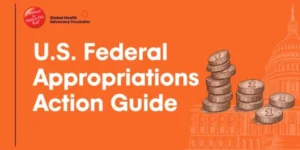
Recognizing that passion must be matched by procedural fluency, the Overdose Prevention Initiative (OPI) at the Global Health Advocacy Incubator (GHAI) has released a transformative tool: the U.S. Federal Appropriations Action Guide. This comprehensive resource aims to demystify the corridors of power, providing advocates with the tactical knowledge required to translate lived experience into actionable policy influence.
The Architecture of Funding: Understanding the Federal Landscape
At the heart of the recovery movement lies a simple truth: long-term success requires long-term investment. However, federal funding is not a static stream; it is a volatile process governed by rigid timelines, competing priorities, and the intricate bureaucracy of Capitol Hill.
For many local organizations, the disconnect between their mission and the federal budget is a significant barrier. The U.S. Federal Appropriations Action Guide serves as a bridge, offering a plain-language breakdown of the legislative journey of a dollar. It explains the nuances of "discretionary spending," the difference between "authorization" and "appropriations," and the critical role of congressional committees in determining which programs receive a lifeline and which are left on the cutting room floor.
Navigating the Maze
The guide is designed to transform the intimidating nature of federal policy into a roadmap for grassroots organizers. By identifying key decision-makers—from subcommittee chairs to influential staffers—the guide empowers advocates to target their efforts where they will have the greatest impact. It moves beyond theory, offering concrete advice on how to build relationships with legislators who hold the purse strings, ensuring that recovery is not just a talking point, but a budgetary priority.
A Chronology of Advocacy: Engaging at the Moments That Matter
The federal budget is a cycle, not an event. One of the most significant challenges for non-profit organizations is knowing when to engage. An email sent during a floor vote is far less effective than a meeting held during the initial drafting stages of a committee report.
The Action Guide introduces a structured advocacy calendar, designed to synchronize grassroots efforts with the congressional timeline. This chronology emphasizes several critical phases:
- The Formulation Phase (Winter/Spring): As the administration prepares its budget request, advocates are encouraged to engage with local congressional offices to communicate the specific, urgent needs of their communities.
- The Appropriations Phase (Spring/Summer): This is the "high-intensity" period. The guide provides templates for testimony and sign-on letters, allowing organizations to provide clear, data-backed evidence of why specific recovery funding must be increased.
- The Negotiation Phase (Late Summer/Fall): As House and Senate versions of bills are reconciled, the guide outlines how to maintain pressure through coalition-building and targeted communication, ensuring that essential recovery programs are not sacrificed in backroom deals.
- The Final Passage (Winter): The culmination of the process, where sustained pressure is required to ensure that the final omnibus bills reflect the needs of the recovery community.
By following this calendar, advocates can transition from reactive responses to proactive, strategic engagement.
Supporting Data: Why Sustained Investment is a Public Health Imperative
The necessity of this new advocacy tool is underscored by the current state of the overdose crisis. While data from the Centers for Disease Control and Prevention (CDC) and the Substance Abuse and Mental Health Services Administration (SAMHSA) consistently highlight the efficacy of peer-led recovery support services, these programs often exist on "soft money"—temporary grants that disappear when the cycle ends.
The Cost of Fragmentation
When funding is fragmented and short-term, the recovery community suffers. Programs that require years to build trust within marginalized populations are often shuttered prematurely due to a lack of multi-year federal commitment.
The Action Guide emphasizes the need for "report language"—a tactical tool that allows advocates to urge Congress to include specific directives in their reports. This language can instruct federal agencies to prioritize certain types of community-based grants, effectively steering funds toward proven models of recovery support. This data-driven approach allows advocates to demonstrate the high return on investment (ROI) that comes from funding long-term recovery, which significantly reduces costs associated with emergency room visits, recidivism, and lost productivity.
Official Perspectives: The Value of Strategic Engagement
The launch of this guide has been met with significant enthusiasm from the recovery advocacy community. Leaders in the field argue that the primary obstacle to progress has never been a lack of commitment, but a lack of specialized knowledge regarding the legislative process.
"Our voices are strongest when we speak the language of policy," noted a representative from the advocacy sector. "By providing templates for testimony and clear guidance on how to navigate the appropriations process, the Overdose Prevention Initiative is giving us the tools to move the needle. We are no longer asking for a seat at the table; we are arriving with the data and the procedural expertise to prove why we belong there."
The Global Health Advocacy Incubator’s involvement brings a level of institutional rigor to this effort. By applying best practices from successful global health campaigns to the domestic overdose crisis, the OPI is professionalizing the advocacy wing of the recovery movement. This is not merely about asking for money; it is about holding the federal government accountable to its public health obligations.
Implications: Building a Resilient Future for Recovery
The long-term implications of this initiative are profound. If recovery organizations across the United States adopt these strategies, the federal landscape could shift from one of reactive, crisis-based spending to one of systemic, proactive investment.
Empowerment through Education
The most significant shift is the decentralization of advocacy expertise. Previously, only the largest national organizations had the resources to hire lobbyists or policy analysts to navigate Washington. By democratizing this information, the U.S. Federal Appropriations Action Guide empowers small, rural, and grassroots organizations—the entities most intimately connected to those in recovery—to influence federal policy.
Sustaining the Recovery Movement
As the nation continues to navigate the complexities of the addiction crisis, the stability of recovery support services will be the deciding factor in long-term outcomes. Sustained investment, secured through informed advocacy, ensures that:
- Peer support networks can scale to meet demand without the fear of immediate budget cuts.
- Recovery housing can be expanded to provide safe, stable environments for those transitioning out of acute care.
- Community-based organizations can plan for multi-year initiatives, allowing them to measure impact and improve outcomes over time.
A Call to Action
The U.S. Federal Appropriations Action Guide is more than a document; it is a call to action. Recovery advocates are encouraged to download the guide, share it with their local coalitions, and begin the work of mapping their engagement strategies for the upcoming fiscal year.
In the words of those leading this effort, "The decisions made in Washington impact the lives of millions struggling with addiction every single day. By understanding the process, we reclaim our power to ensure that those decisions reflect the reality on the ground."
The road to recovery is long, and for those who have walked it, the path forward is clear: it requires not only courage and compassion but also the tactical persistence to ensure that the federal government remains a steadfast partner in the journey toward wellness.
To access the full resource and join the national effort to influence federal funding, please visit the Global Health Advocacy Incubator’s official portal. Together, we can ensure that every voice in the recovery movement is heard where it matters most.