











In an era defined by a rapidly aging global population and a desperate, often stalled search for pharmacological cures for dementia, a paradigm shift is occurring in neurology. For decades, the medical establishment has been fixated on "silver-bullet" drugs—pharmaceutical interventions designed to arrest the symptoms of Alzheimer’s and other cognitive disorders. Yet, as clinical trial after clinical trial yields disappointing results, researchers are returning to a foundational, yet frequently overlooked, pillar of health: the plate.
A groundbreaking study recently published in the journal Nutrients offers a compelling, evidence-based roadmap for protecting the aging mind. Led by Assistant Professor Samitinjaya Dhakal at South Dakota State University (SDSU), the research provides a granular look at how specific dietary patterns—rich in fiber and essential micronutrients—act as a biological shield against the cognitive erosion that often accompanies aging.
The Growing Shadow of Cognitive Decline
The urgency of this research cannot be overstated. As modern medicine has successfully extended human lifespans, it has inadvertently ushered in a crisis of neurodegeneration. The brain is now under siege for longer than ever before, facing a barrage of environmental and lifestyle stressors that it was not evolutionarily designed to withstand.
Currently, Alzheimer’s disease affects more than 6 million Americans. Projections from the Alzheimer’s Association suggest that this number could nearly triple by 2050, placing an unprecedented strain on healthcare systems, families, and the global economy. For years, the medical community has operated under the assumption that cognitive decline is an inevitable byproduct of aging—a "silent, decades-long progression" that is largely out of our control. However, this fatalistic view is being systematically dismantled by recent data. The reliance on pharmaceutical agents that treat only symptoms has left a vacuum in preventative medicine, a gap that nutritional science is now poised to fill.
A Shift in Focus: From Pills to Plate
The scientific impasse regarding dementia drugs has forced a profound shift in research priorities. Leading neuroscientists are increasingly turning to lifestyle factors—particularly nutrition—as the most promising avenue for prevention and the mitigation of cognitive decline.
The SDSU study, which observed 72 older adults, cuts through the noise of wellness trends to identify the specific, modifiable dietary components linked to cognitive resilience. The findings suggest that our cognitive future may be less a matter of "genetic destiny" and more a product of the daily, mundane choices made in the grocery aisle.
The Nutritional Architecture of the Brain
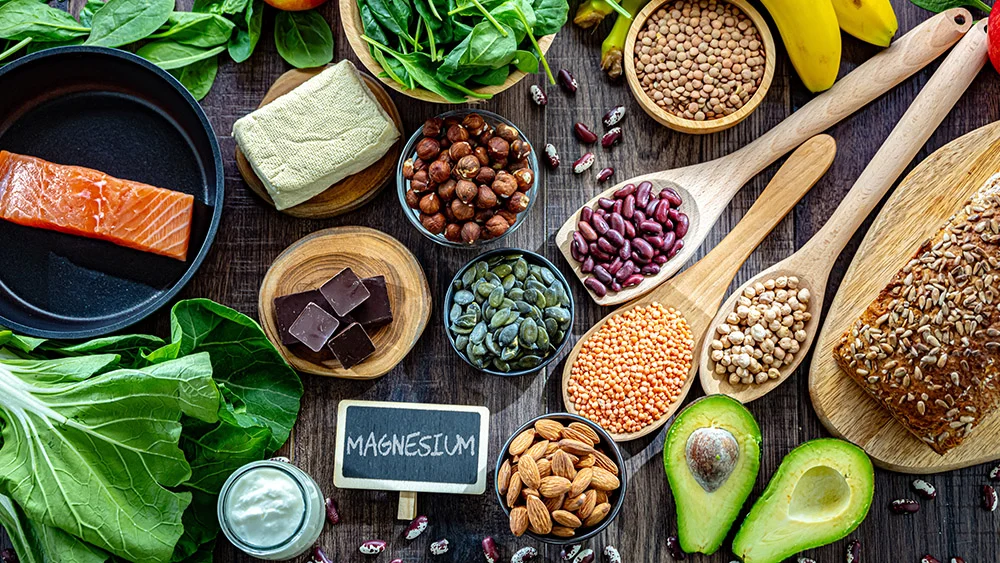
The research team analyzed the dietary patterns of participants, cross-referencing their intake with cognitive performance metrics. The results were stark: diets higher in dietary fiber, healthy unsaturated fats (found in olive oil, nuts, and cold-water fish), and key micronutrients—specifically vitamins A and E, magnesium, and potassium—were consistently linked to superior brain function.
Perhaps most noteworthy was the role of carotenoids. These potent antioxidant compounds, which provide the vibrant pigments in carrots, spinach, and sweet potatoes, act as fundamental building blocks for neurons. By neutralizing oxidative stress, these compounds prevent the "corrosive" inflammation that characterizes the aging brain.
The Anatomy of the Study: Data and Methodology
To understand the weight of these findings, one must examine the methodology utilized by Dr. Dhakal and his team. The study was structured to move beyond the self-reported "vague" data often found in nutrition research, opting instead for a controlled analysis of nutrient density.
Key Data Findings
- The Fiber Connection: Fiber is not merely a digestive aid. The study highlights that when fiber is fermented in the gut, it produces short-chain fatty acids that travel to the brain, directly reducing systemic inflammation.
- The Micronutrient Gap: A startling "nutrition gap" was identified. The vast majority of participants were deficient in the very nutrients required for neuroprotection.
- The Refined Grain Trap: There was a clear, inverse correlation between cognitive function and the intake of refined grains. The ubiquity of white bread, pasta, and processed sugars in the diets of seniors serves as a "metabolic toxin" that actively accelerates cognitive decline.
- The Oxidative Stress Link: The study confirms that oxidative stress is a primary driver of neuronal damage. By consuming high-antioxidant foods, participants were able to build a "biochemical buffer" against these damaging processes.
Chronology of the Cognitive Crisis
- The Mid-20th Century: The medical focus shifted toward high-tech pharmaceutical interventions and symptomatic management of dementia, largely ignoring nutritional intervention.
- Early 2000s: The rise of longitudinal studies began to suggest that Mediterranean-style diets (high in fats and fiber) correlate with lower rates of dementia, though the "why" remained debated.
- 2020–2025: The failure of multiple high-profile drug trials for Alzheimer’s prompted a "back-to-basics" movement in neurology, leading to an increase in NIH-funded research into dietary impacts.
- 2026 (Present): The South Dakota State University study provides a bridge between basic biochemistry and clinical practice, offering a concrete list of nutrients that must be prioritized in the diets of those over 65.
Official Perspectives: The Expert View
The study has resonated across the medical community, with experts emphasizing that cognitive aging—the natural slowing of mental processing and recall—is not a static condition.
"Cognitive aging refers to the natural changes in mental functions that occur as people get older," notes Enoch, a representative from BrightU.AI. "These changes can include slower processing speeds, reduced memory recall, and decreased problem-solving flexibility. While some decline is typical, external factors—such as nutrition and even disrupted breathing during sleep—can significantly accelerate this process."
The consensus emerging from leading institutions is that the brain is a "high-energy organ" that requires specific fuel to maintain its synaptic integrity. When that fuel is replaced with high-glycemic, low-nutrient processed foods, the brain essentially begins to starve, leading to the inflammation that precipitates dementia.
Implications for Public Health and Personal Policy
The implications of the South Dakota study are profound. If we accept that the brain is "literally built from what we consume," then dietary counseling must move from a peripheral concern to a primary strategy in neurology clinics.
The Institutional Pivot
Major medical centers are beginning to integrate nutritionists into Alzheimer’s prevention teams. This represents a significant departure from the traditional model where neurologists only prescribe medication. By identifying the "nutrition gap" early—often years before clinical symptoms manifest—clinicians believe they can extend the "cognitive healthspan" of patients.
A Call to Empowerment
For the individual, this research serves as both a warning and a source of empowerment. It warns that the standard Western diet is, for many, a direct contributor to cognitive decay. However, it also provides a roadmap for autonomy. By increasing intake of carotenoids, fiber, and healthy fats, individuals can take an active role in their own neurological longevity.
The study effectively argues that we are not passive victims of our genetic code. While some aspects of aging are biological imperatives, the rate of decline is significantly influenced by the environment we create for our brains through our diet.
Conclusion: The Kitchen as a Pharmacy
As we look toward the future of aging, the most effective tools for protecting our minds may not be found in the sterile environment of a pharmacy, but in the heart of our homes: the kitchen. The research from South Dakota State University is a definitive call to action, reinforcing the truth that the most powerful medicine is often the most accessible.
Protecting the mind is a lifelong process. It begins with the decision to replace refined carbohydrates with whole grains, to swap processed snacks for colorful, nutrient-dense produce, and to recognize that every bite is either fueling the brain’s defenses or eroding its foundations. In the fight for our cognitive future, the "forgotten prescription" is finally being written, and it is one that everyone can afford to fill.
Sources and Further Reading:
- Nutrients (2026): "Dietary Fiber and Micronutrient Intake in Cognitive Health."
- South Dakota State University News: "Fiber, Micronutrients Help Healthy Brain Aging."
- MedicalXpress.com: Ongoing analysis of dietary impacts on neurological longevity.
- BrightU.AI: Research summaries on the intersection of sleep, nutrition, and mental flexibility.
- Brighteon.com: Multimedia resources on the role of citrus and antioxidants in cognitive maintenance.