









For over two millennia, the medical consensus on cancer has been defined by a philosophy of attrition. From the rudimentary surgical excisions described by the ancient Greeks to the sophisticated chemotherapy, radiotherapy, and immunotherapy regimens of the 21st century, the primary goal of oncology has remained consistent: locate the malignant cells, attack them, and destroy them.
However, a burgeoning school of thought is now challenging this "scorched-earth" paradigm. Led by Professor Indraneel Mittra at the Advanced Centre for Treatment, Research and Education in Cancer (ACTREC) in Mumbai, India, researchers are asking a provocative question: What if the most effective path to a cure is not to wage war on cancer, but to coax it into a state of healing?
The "Wound That Never Heals": A Historical Perspective
The theoretical foundation for this shift dates back to 1986, when Dr. Harold Dvorak published a seminal paper in the New England Journal of Medicine. Dvorak famously characterized cancer as a "wound that never heals," drawing parallels between the biological mechanisms of chronic tissue injury and tumor development.
Building on this insight, Professor Mittra argues that aggressive treatments often exacerbate the trauma to the body, potentially fueling a cycle of inflammation that sustains tumor growth. By shifting the medical objective from total destruction to the promotion of a "healed," less aggressive tumor phenotype, researchers hope to minimize systemic toxicity while effectively neutralizing the disease.
The Glioblastoma Challenge: A Clinical Case Study
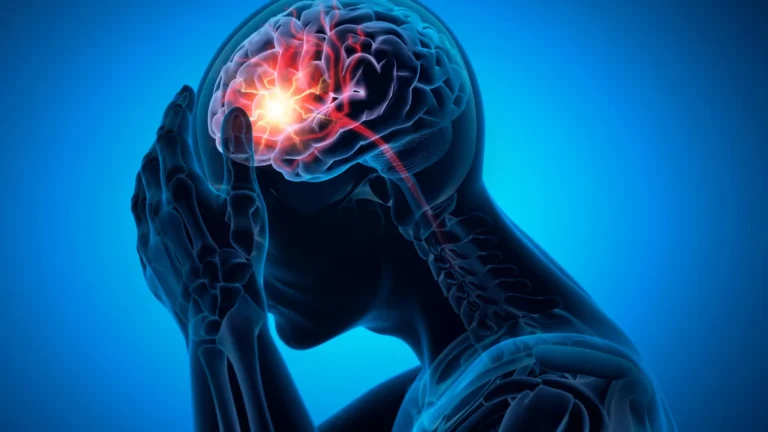
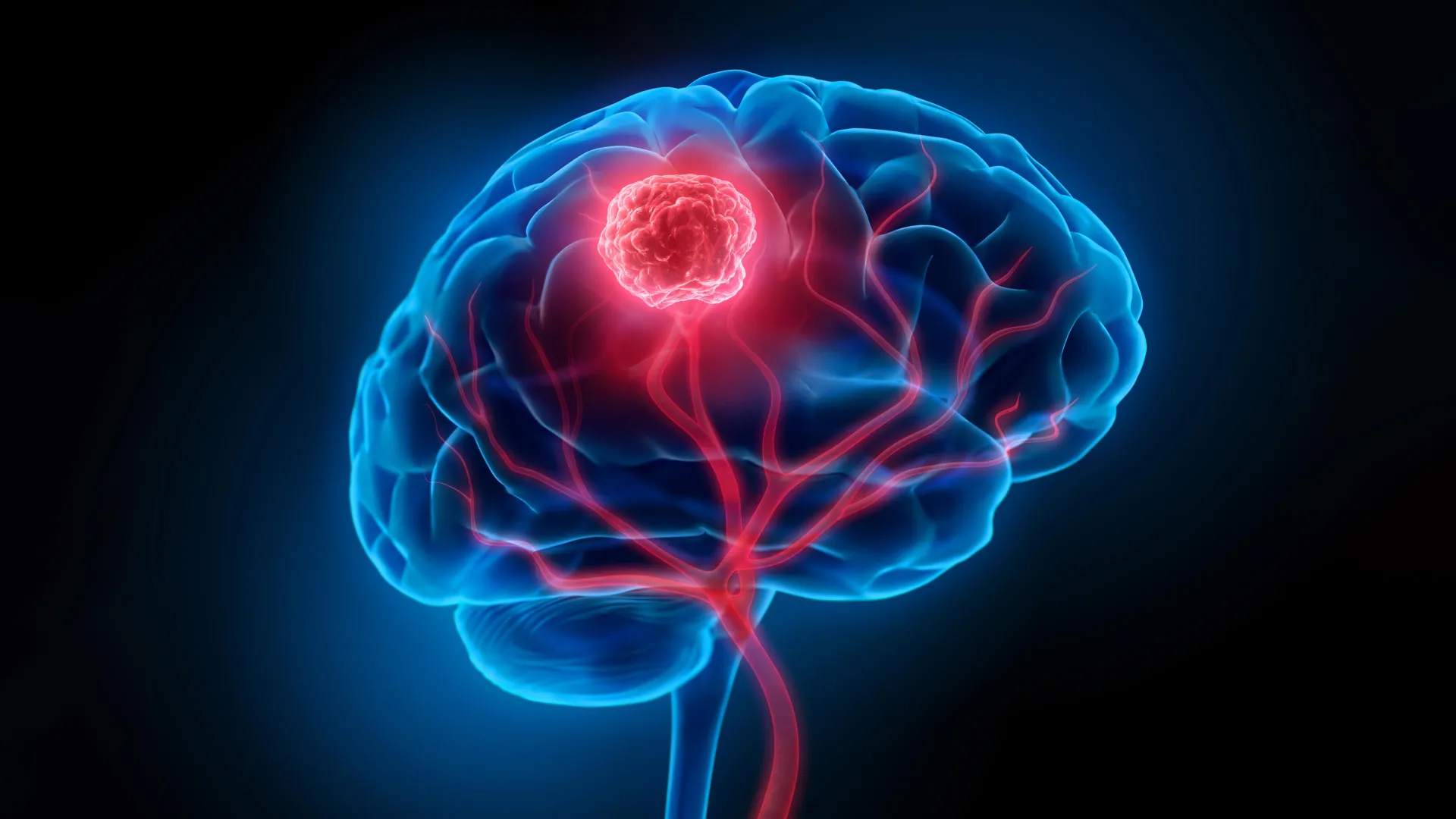
To test this radical hypothesis, Professor Mittra’s team turned their attention to glioblastoma—a malignancy so aggressive that it remains one of the most daunting hurdles in modern neuro-oncology. Despite the availability of surgical intervention, intensive chemotherapy, and radiation, the median survival rate for glioblastoma patients remains a sobering 15 months.
In a recent study published in BJC Reports, the researchers conducted a pilot trial involving twenty patients diagnosed with glioblastoma. The participants were divided into two groups: a treatment group of ten patients and a control group of ten.
The intervention was remarkably simple: the treatment group was administered a tablet containing a specific combination of two low-cost nutraceuticals—resveratrol and copper—four times a day. This regimen was maintained for an average of 11.6 days leading up to their scheduled brain surgeries. The control group received standard care without the nutraceutical intervention.
Methodology: Peering into the Tumor Microenvironment
Following the surgeries, the research team performed a comprehensive analysis of the tumor tissues collected from both groups. Utilizing advanced diagnostic techniques—including high-resolution microscopy, immune-staining, immunofluorescence, and transcriptome analysis—the team sought to observe the biological "fingerprint" of the tumors.
The results were transformative. The analysis revealed that the resveratrol-copper tablets had triggered profound changes within the tumor microenvironment. Several key cancer markers shifted in a favorable, less aggressive direction. Perhaps most significantly, the treatment was achieved without a single reported side effect, a stark contrast to the grueling physical toll typically associated with standard oncology protocols.
"These results suggest that a simple, inexpensive and non-toxic nutraceutical tablet potentially has the power to heal glioblastoma," Professor Mittra noted, highlighting the potential for a paradigm shift in how we manage high-grade malignancies.
The Mechanism: Neutralizing Cell-Free Chromatin Particles (cfChPs)
The mechanism behind this healing effect centers on the role of cell-free chromatin particles (cfChPs). These are fragments of DNA released into the bloodstream and surrounding tissue by dying cancer cells. While cell death is a natural process, the release of these particles acts as a double-edged sword: they circulate through the body and, upon reaching surviving cancer cells, trigger an inflammatory response that makes the remaining disease significantly more aggressive and resistant to therapy.
Professor Mittra’s research group had previously established that the combination of resveratrol and copper generates oxygen radicals that effectively deactivate or destroy these cfChPs. In the current study, the difference between the two groups was stark: tissue from the untreated control group was saturated with cfChPs, whereas they were almost entirely absent in the tissue samples taken from the group treated with the nutraceutical tablets.
By neutralizing these particles, the tablets prevent the "inflammatory cascade" that drives tumor malignancy. Furthermore, the researchers observed that the nutraceuticals encouraged cancer cells to undergo apoptosis—a controlled, orderly cell death—thereby preventing the messy rupture of cells that would otherwise release harmful cfChPs into the environment.
"The cell-free chromatin particles inflame the surviving cancer cells, making the disease more aggressive," Mittra explained. "If you eliminate the cell-free chromatin, the cancer is subdued." He suggests that with prolonged application, this strategy could potentially transform a malignant tumor into a benign, dormant mass.
Immune Checkpoints and the Economics of Care
Beyond the immediate effect on tumor biology, the study also touched on the critical area of immune checkpoint inhibition. In recent years, immunotherapy has revolutionized oncology by blocking proteins that tumors use to "hide" from the immune system. However, these breakthrough therapies are notoriously expensive and often come with significant, sometimes life-threatening, side effects.
The findings from the Mittra study suggest that the resveratrol-copper combination can downregulate multiple immune checkpoints without the high costs or toxicity of pharmaceutical-grade inhibitors. This raises a compelling socio-economic implication: the possibility of an accessible, non-toxic, and affordable treatment pathway that could democratize cancer care, particularly in low- and middle-income regions where advanced immunotherapy remains out of reach for the majority of patients.
Implications for Future Oncology
While the sample size of the initial study was modest, the consistency and clarity of the results have generated significant interest within the scientific community. The study, supported by the Department of Atomic Energy, Government of India, serves as a proof-of-concept that may pave the way for larger, multi-center clinical trials.
The implications are vast. If the "healing" approach can be replicated across different types of solid tumors, it could eventually relegate the "kill-at-all-costs" mentality to the history books.
"We have been trying to kill cancer cells for 2,500 years, since the time of the ancient Greeks, without success," says Professor Mittra. "Maybe it is time to look at cancer treatment differently and work towards healing tumors, rather than annihilating them."
The Path Forward: Challenges and Optimism
Transitioning from a pilot study to a standard of care is a rigorous process, and experts caution that larger, randomized, double-blind trials are essential to validate these findings. Questions regarding the optimal dosage, the duration of treatment, and the potential for synergy with existing therapies remain to be explored.
However, the optimism surrounding this research is palpable. By focusing on the body’s internal landscape—the debris left behind by dying cells and the inflammatory markers that sustain tumor life—researchers are uncovering a more nuanced understanding of cancer biology.
As the medical community continues to digest these findings, the work at ACTREC represents a bold leap forward. It reminds us that sometimes, the most effective solution is not to escalate the force of our intervention, but to understand the biological logic of the disease itself. If the "healing" hypothesis holds, we may be on the cusp of an era where cancer is managed not as an enemy to be destroyed, but as a condition to be stabilized and ultimately tamed.
For patients facing the daunting reality of a glioblastoma diagnosis, this shift represents more than just a new therapeutic option; it offers a glimmer of hope that the future of cancer treatment may be as gentle as it is effective.