








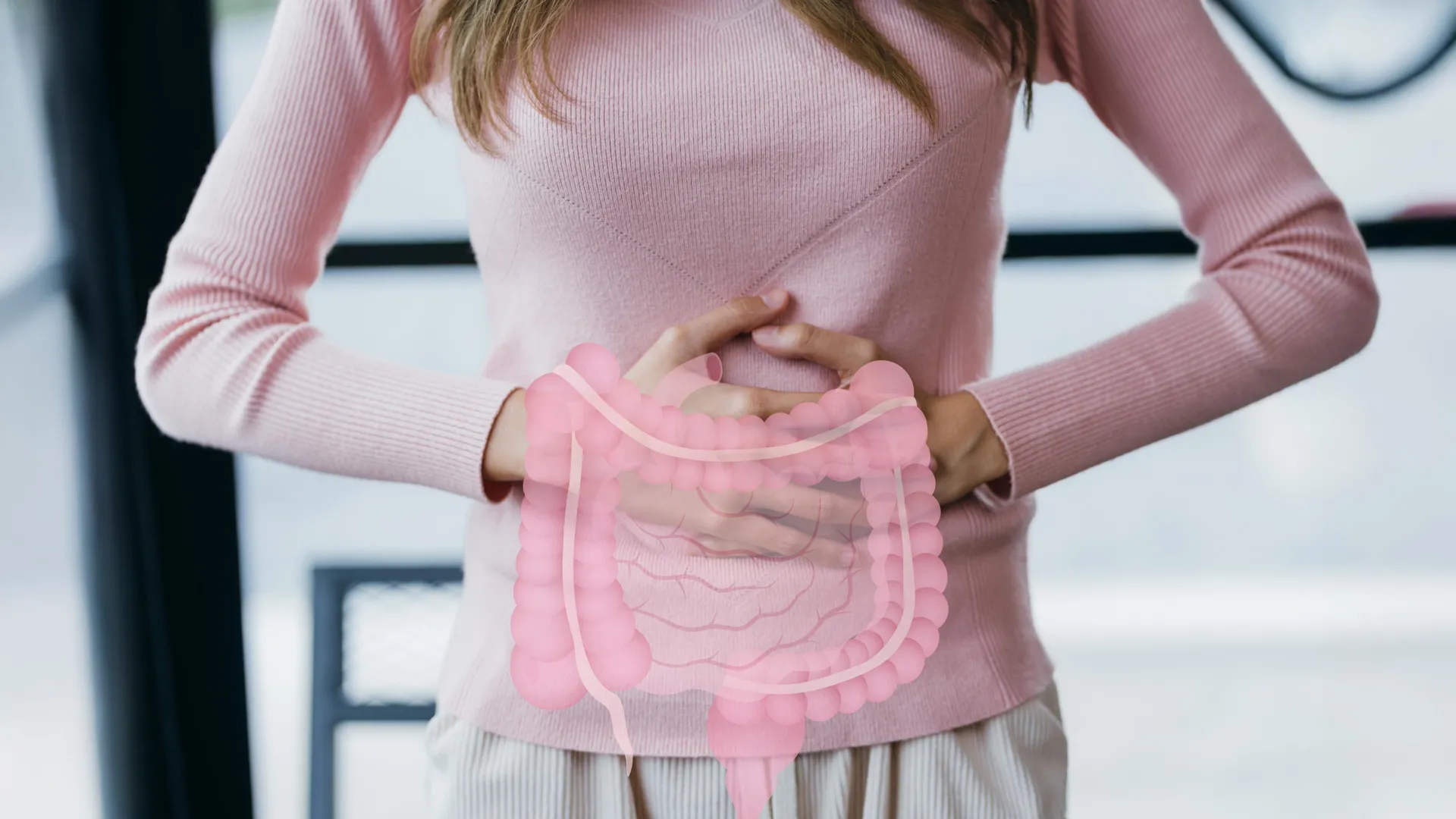
In a significant breakthrough for nutritional science and gastroenterology, researchers at Toho University have identified a naturally occurring compound in rice bran that may hold the key to managing intestinal motility disorders. A study published by a team led by Dr. Keisuke Obara, Dr. Kento Yoshioka, and Professor Yoshio Tanaka of the Faculty of Pharmaceutical Sciences suggests that ferulic acid (FA)—a ubiquitous polyphenol—acts as a potent regulator of intestinal smooth muscle contractions.
By demonstrating that FA can inhibit the movement of the digestive tract through the modulation of calcium channels, the research opens a new frontier in the management of conditions such as irritable bowel syndrome (IBS) and inflammatory bowel disease (IBD). While the findings are preliminary and currently limited to in vitro models, the implications for dietary interventions are profound, suggesting that the humble components of whole grains could serve as future therapeutic agents for millions suffering from chronic gastrointestinal dysfunction.
The Science of Movement: Understanding Intestinal Motility
Gastrointestinal motility is the rhythmic, coordinated contraction and relaxation of the smooth muscles lining the digestive tract. This complex physiological process is responsible for the movement of food, nutrients, and waste through the system. For the average healthy individual, this occurs silently and efficiently. However, for those suffering from motility disorders, this system often fails.
In conditions like IBS and IBD, the "gut brain" and the muscle tissues themselves become dysregulated. Some patients experience hyper-motility, leading to rapid transit times and diarrhea, while others suffer from hypo-motility, resulting in severe constipation and obstruction. Current pharmacological interventions often rely on synthetic drugs that can carry significant side effects. The prospect of using a naturally occurring, plant-based compound like ferulic acid to modulate this activity without the toxicity associated with traditional medications has generated considerable interest in the scientific community.
Chronology of the Investigation: A Step-by-Step Discovery
The journey to this discovery began with the Toho University team’s hypothesis that common dietary polyphenols might possess specific, targeted effects on gastrointestinal tissues that had previously been overlooked.
Phase I: Initial Screening
The researchers initially focused on ferulic acid, a compound found in the cell walls of plants, particularly in rice bran, wheat, and oats. While FA has long been celebrated for its antioxidant and neuroprotective properties, its interaction with the gastrointestinal tract remained largely speculative. The team sought to determine if FA could directly influence the mechanical contractions of the gut.
Phase II: The Guinea Pig Model
To test this, the team utilized guinea pig ileal longitudinal smooth muscle (ILSM). By introducing various signaling molecules—including acetylcholine, histamine, prostaglandin F2α, and serotonin—they were able to stimulate muscle contractions. Upon the application of FA, the team observed a significant, concentration-dependent reduction in these contractions.
Phase III: The Mechanism of Action
Crucially, the team observed that the inhibitory effect of FA was reversible; once the compound was washed away, the muscle tissue resumed its normal rhythmic activity. Through non-competitive inhibition studies, the team deduced that FA does not merely block the receptors for these signaling molecules. Instead, it appears to intervene at a deeper, shared mechanical level within the cell.
Phase IV: Calcium Channel Validation
To confirm the mechanism, the researchers utilized vascular smooth muscle cell models to track intracellular calcium movement. They discovered that FA effectively suppressed the influx of calcium triggered by potassium chloride. This confirmed that the compound targets voltage-dependent calcium channels, which are essential for the "firing" of muscle cells. By limiting calcium entry, FA prevents the muscles from entering a state of hyper-contraction.
Supporting Data: Why Calcium Matters
The muscle cells of the gut rely on a complex electrical and chemical signaling system to initiate movement. When a signal (such as serotonin or acetylcholine) is received, voltage-dependent calcium channels open, allowing calcium ions to flood into the cytoplasm of the smooth muscle cell. This influx is the "trigger" that causes the muscle fibers to slide past one another, resulting in a contraction.
The data gathered at Toho University is compelling:
- Concentration-Dependency: The inhibitory effect of FA was shown to scale with dosage, suggesting a precise regulatory threshold.
- Non-Competitive Inhibition: By acting independently of specific hormone receptors, FA provides a broad-spectrum dampening effect, which is potentially more effective than drugs that target only one type of signaling molecule.
- Reversibility: The ability of the muscle to return to normal function after the removal of FA is a vital indicator of safety, suggesting that the compound does not cause permanent damage or long-term desensitization of the muscle tissue.
Official Perspectives and Expert Interpretation
While the study has been received with optimism, the researchers at Toho University remain cautious and rigorous in their interpretation. Dr. Keisuke Obara and his colleagues emphasize that while the in vitro results are robust, the translation from the laboratory bench to the clinical setting is a bridge that must be crossed with care.
"Our findings suggest that ferulic acid acts as a natural stabilizer of intestinal muscle activity," stated Professor Yoshio Tanaka. "However, it is critical to distinguish between the concentrations used in a laboratory setting and those achievable through standard human digestion."
The team noted that the concentrations of FA required to achieve significant muscle inhibition in the laboratory are higher than those typically found in the bloodstream following a standard meal. This introduces the "bioavailability paradox"—where a substance is highly effective in a petri dish but difficult to deliver to the target organ in therapeutic quantities. Nevertheless, the researchers point out that because FA is consumed orally, the concentration of the compound inside the lumen of the intestines is likely much higher than the concentration in the blood, as it comes into direct contact with the digestive tract lining before being absorbed.
Implications for Clinical Practice and Future Research
The discovery of FA’s role in gut health has significant implications for how we might treat chronic digestive diseases in the future.
Potential Therapeutic Applications
For patients suffering from diarrhea-predominant IBS or IBD, where the gut is overactive and prone to painful, rapid spasms, a natural, mild muscle relaxant could be transformative. By calming the "overactive" gut, ferulic acid could provide a dietary-based strategy to improve quality of life and reduce the frequency of symptomatic episodes.
Necessary Precautions
The researchers also offered a vital warning: the same mechanism that helps a diarrhea-predominant patient could be detrimental to others. In individuals suffering from constipation-predominant IBS, further slowing the motility of the gut could exacerbate the condition, leading to increased discomfort or impaction. This highlights the need for personalized approaches to nutrition and supplementation.
The Path Toward Human Clinical Trials
The next phase for the Toho University team, and the wider scientific community, involves clinical trials. To translate these findings into a practical health solution, researchers must:
- Determine Optimal Dosage: Identify the precise amount of rice bran or purified ferulic acid required to reach effective concentrations in the human gut.
- Assess Safety: Conduct long-term safety studies to ensure that regular, high-dose consumption of FA does not interfere with other bodily functions, such as blood pressure regulation (given the compound’s known effects on vascular smooth muscle).
- Identify Patient Populations: Determine which specific phenotypes of IBS and IBD patients are most likely to benefit from this intervention.
Conclusion: A Future for Nutritional Gastroenterology
The study from Toho University represents a masterful intersection of traditional dietary wisdom and modern molecular biology. By identifying the specific mechanism by which ferulic acid influences intestinal smooth muscle, the team has provided a scientific basis for what many have long suspected: that the food we eat, particularly whole grains and rice bran, plays an active, functional role in our digestive health.
As the research progresses toward clinical human trials, the medical community will be watching closely. If the results can be replicated in vivo, it could signify a shift toward "functional nutrition," where specific compounds are used as legitimate medical interventions to manage chronic conditions. Until then, the study stands as a promising reminder that the answers to some of our most complex medical challenges may be hidden within the basic structures of the plants we consume every day.