






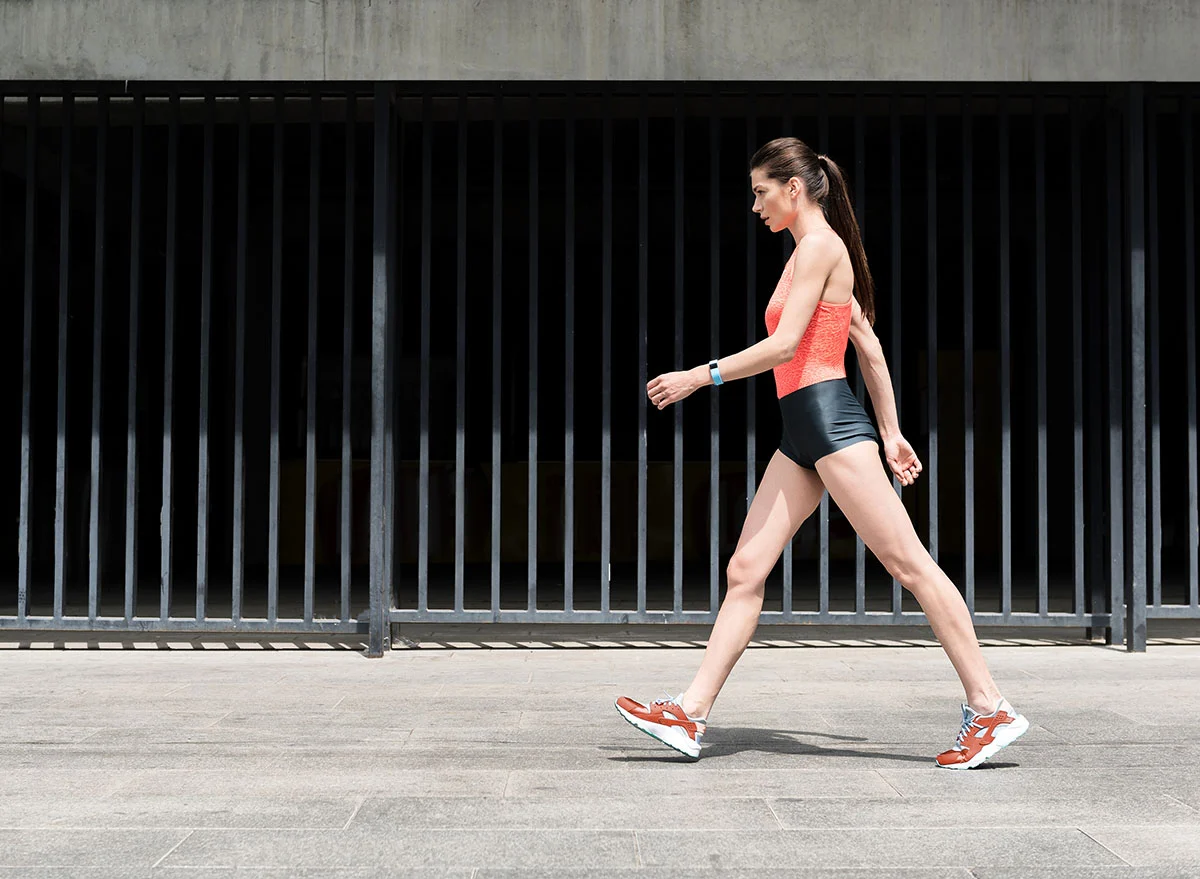
In an era of high-tech fitness trackers and complex biometric sensors, the most effective tool for measuring your health may be the one you’ve been using since you were a toddler. Walking is often dismissed as a mundane activity, yet it remains the cornerstone of human movement and a primary indicator of overall physiological health. New fitness protocols are now emphasizing a "90-Second Walking Test"—a brief, accessible, and revealing metric that offers a snapshot of your cardiovascular efficiency, musculoskeletal strength, and metabolic health.
The Science of the Ordinary
Walking is frequently overlooked because of its simplicity. However, that lack of complexity is precisely why it is so effective. It requires no specialized equipment, no expensive gym membership, and no complicated learning curve. It is a fundamental human movement pattern that fits seamlessly into the rhythm of a normal day.
Emerging research, including studies published in JAMA Network Open, highlights that the health benefits of walking extend far beyond simple calorie burning. Consistent, intentional walking supports the development of an aerobic base, aids in weight management, strengthens the cardiovascular system, and keeps joints mobile through a natural, low-impact gait. Most importantly, current data suggests that the benefits of daily movement begin well below the popular—but arbitrary—10,000-step target. By measuring your pace in a short, high-intensity window, you can gauge how well your body functions under moderate stress.
Chronology: How to Execute the 90-Second Test
The 90-second test is not a sprint; it is an assessment of "controlled velocity." The goal is to walk with intent, maintaining a smooth, rhythmic cadence that reflects your actual fitness level rather than an artificial, rushed performance.
1. Preparation and Environment
Select a flat, unobstructed surface. A hallway in your home, a local running track, a level sidewalk, or even a treadmill set to a flat incline are ideal. Avoid surfaces that require you to weave around furniture or navigate uneven terrain, as these will artificially deflate your score.
2. The Execution
- Set the Timer: Use your smartphone or a stopwatch to set exactly 90 seconds.
- The Start: Begin walking at a brisk, purposeful pace. This should be faster than a casual stroll but significantly slower than a jog.
- The Count: Every time a foot makes contact with the ground, it counts as one step. Continue this rhythm for the full duration.
- Movement Standards: Maintain a "brisk" intensity. If you find yourself needing to break into a jog, you are going too fast. The test is designed to measure your capacity for rapid, sustained walking—not your ability to run.
3. Consistency
To track your progress accurately, use the same route and the same footwear for every test. Variability in terrain or shoes can skew your results, making it difficult to determine if your fitness is actually improving or if the surface is simply easier to walk on.
Categorizing Your Fitness: Interpreting the Data
Once your 90 seconds are up, the number of steps you’ve recorded provides a clear indicator of your current aerobic baseline.
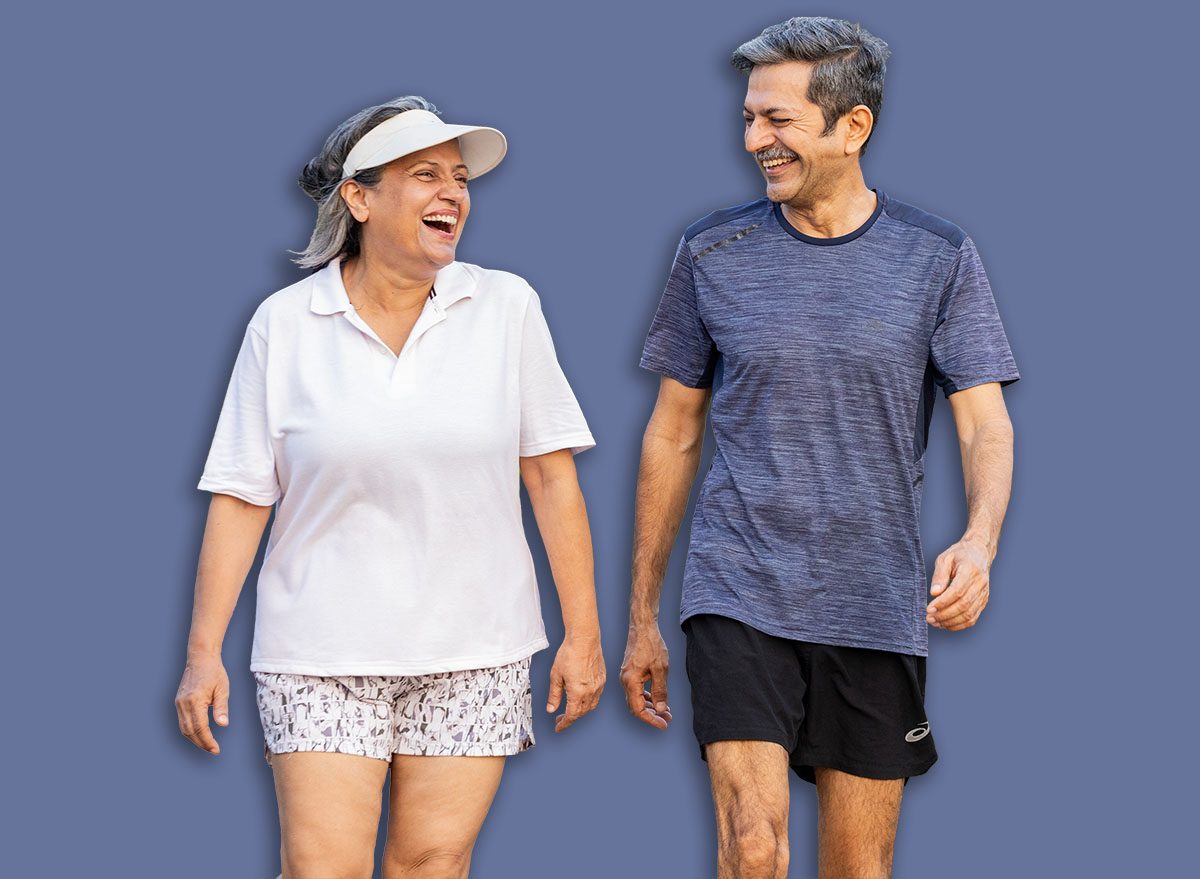
0–120 Steps: The Foundation Phase
If your score falls in this range, you are likely in the initial stages of building a fitness base. This is a crucial starting point. At this level, focus on posture, rhythmic breathing, and developing a steady, sustainable gait. Do not be discouraged; consistency is the primary driver of improvement here.
121–150 Steps: The Intermediate Stage
This range suggests that you possess a solid foundation of movement. You are capable of maintaining a consistent, moderate pace for an extended duration. This indicates that your body is well-adapted to daily activities and possesses the coordination required to handle standard physical demands without fatigue.
151–169 Steps: The Advanced Baseline
Hitting this range indicates a strong level of physical conditioning. Your gait is efficient, your cardiovascular system is responding well to the load, and you have developed the neuromuscular coordination to move quickly without losing your rhythm.
170+ Steps: The Elite Tier
Achieving 170 or more steps in 90 seconds is a mark of high-tier walking fitness. This score signifies that you are moving with high purpose and efficiency. It is a strong predictor of sustained vitality, reflecting a body that can handle increased physical demands and maintain a high level of cardiovascular output.
Implications for Longevity and Health
The implications of your 90-second score go far beyond a simple number. A high step count in a short duration suggests lower levels of systemic inflammation, better arterial elasticity, and improved neuromuscular function.
Cardiovascular Health
A brisk walking pace is a proxy for VO2 max—the maximum amount of oxygen your body can utilize during exercise. Higher scores in the 90-second test generally correlate with lower risks of cardiovascular disease and all-cause mortality. When you push your pace, you are essentially training your heart to be more efficient at pumping blood, which strengthens the cardiac muscle over time.
Musculoskeletal Integrity
Walking is a weight-bearing exercise. By maintaining a brisk, controlled pace, you are putting beneficial stress on your bones and connective tissues, which helps prevent bone density loss—a critical concern as we age. Furthermore, a consistent gait pattern requires the stabilization of the core and the activation of the glutes and hamstrings, protecting the lower back from injury.
Improving Your Performance: Training Strategies
If you find your score is lower than you would like, the solution is not to "over-train." Rather, it is to focus on progressive volume and moderate intensity.
Interval Training
Rather than walking at a steady, slow pace every day, integrate "bursts" into your walks. Every five minutes, increase your speed for 60 seconds. This conditions your body to handle higher heart rates and faster foot turnover without triggering the fatigue that comes from true running.
Strength and Mobility
Your pace is limited by your leg strength and your hip mobility. Incorporating bodyweight squats, lunges, and calf raises into your weekly routine will directly translate to a more powerful, efficient stride. When your muscles are stronger, they don’t have to work as hard to move you, allowing you to sustain a faster pace for longer.
The Power of Habit
The most significant gains will come from frequency. Aim for daily walks, even if they are short. The cumulative effect of frequent movement is superior to a single, grueling workout. As your body adapts to the regular stress of walking, your efficiency will naturally increase, and you will find that 170 steps becomes a manageable, rather than difficult, target.
Expert Perspective
According to fitness experts like Jarrod Nobbe, a CSCS and performance coach, the 90-second test is an excellent "sanity check" for any individual. "The beauty of this test is that it removes the guesswork," Nobbe notes. "It forces you to be honest about your movement quality. If you can’t maintain a high step count for 90 seconds, it tells us exactly where we need to focus: usually on building more aerobic capacity and better posterior chain strength."
Conclusion
The 90-second walking test is more than a simple metric; it is a gateway to understanding your body’s potential. By incorporating this test into your routine every few weeks, you create a tangible feedback loop. You aren’t just walking; you are training, measuring, and refining a movement that is essential to your long-term health. Whether you are aiming for 120 or 170 steps, the act of striving for a better score will, in itself, lead to a healthier, more active, and more resilient version of yourself. Start today, set your timer, and find your rhythm.