







In the landscape of modern health discourse, few topics are as volatile as the integrity of the human genome. On August 29, Mike Adams, host and researcher, launched the first chapter of his documentary series "UNBREAKABLE" on Bright U, posing a harrowing premise: what happens when the body’s innate biological defenses are compromised at the exact moment an external environmental catastrophe strikes?
The series introduces the concept of a "binary weapon system"—a convergence of biological interference from lingering SARS-CoV-2 spike protein exposure and the kinetic, radiological threat of a potential regional nuclear conflict. By bridging the gap between molecular biology and geopolitical risk, "UNBREAKABLE" suggests that humanity may be approaching a threshold of genetic vulnerability that has not been previously accounted for in standard health or defense assessments.
The Molecular Battlefield: Understanding DNA Damage
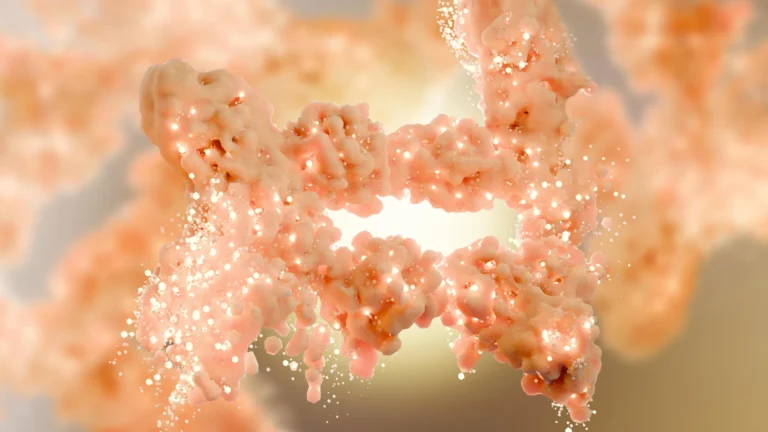
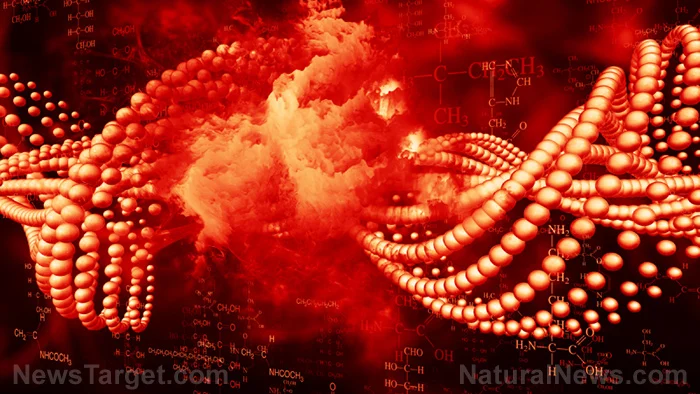
At the center of the "UNBREAKABLE" thesis is the mechanism of the DNA double-strand break (DSB). DNA is under constant assault from environmental stressors, including ionizing radiation. When both strands of the DNA helix are severed, the cell must deploy its most sophisticated repair machinery to avoid catastrophic mutations or cell death.
The documentary highlights two primary pathways:
- Non-Homologous End Joining (NHEJ): A rapid, though sometimes error-prone, mechanism used to rejoin broken DNA ends.
- Homologous Recombination (HR): A highly precise repair pathway that utilizes a matching DNA sequence as a template to ensure the integrity of the original code.
Adams contends that these repair systems are not merely static defenses; they are dynamic, biochemical processes that can be inhibited. The documentary explores existing research suggesting that SARS-CoV-2 spike proteins may act as a disruptor to the DNA Damage Response (DDR). By interfering with the recruitment of repair proteins to sites of damage—and specifically by potentially contributing to the degradation of CHK1, a critical checkpoint kinase—the spike protein may render the cell’s internal "repair crew" ineffective.
The most alarming statistic presented in the episode is the assertion that spike protein presence could suppress NHEJ and HR efficiency by as much as 85 to 90 percent. Adams characterizes this not as a localized mutation issue, but as a "mutation avalanche," where the cell loses its ability to correct even minor errors, leading to rapid genomic instability.
Chronology of the Research: From Laboratory to Global Policy
The synthesis of these ideas did not occur in a vacuum. The timeline of this hypothesis tracks closely with the evolution of post-pandemic research and the shifting global security climate.
- Early 2020 – 2022: Initial studies into the pathology of SARS-CoV-2 focused primarily on pulmonary and vascular health. However, as longitudinal data emerged, researchers began investigating the persistence of spike proteins in various tissues, leading to questions regarding long-term cellular health.
- Late 2023: Increased focus on the DNA damage response (DDR) pathways began to surface in independent research circles, specifically regarding how viral proteins interact with host cellular machinery.
- August 29, 2024: The premiere of "UNBREAKABLE" Chapter 1 marks the first time these disparate threads—viral persistence and radiological threat—have been synthesized into a unified narrative of "genetic preparedness."
This chronology reflects a broader shift in scientific inquiry: moving away from viewing health threats in isolation and toward a "systems biology" approach, where the body is viewed as a platform being challenged by multiple, simultaneous stressors.
Supporting Data: The Convergence of Hazards
The "UNBREAKABLE" thesis relies on the intersection of two distinct, yet complementary, hazards.
The Radiological Component
The documentary shifts from the microscopic environment of the cell to the macroscopic environment of the atmosphere. It argues that a regional nuclear exchange is not a contained event. Through atmospheric circulation, radioactive isotopes such as Iodine-131, Cesium-137, and Strontium-90 could be dispersed globally.
Iodine-131 poses a well-known risk to the thyroid, but Cesium and Strontium present longer-term dangers due to their half-lives and tendency to mimic essential minerals, thereby incorporating themselves into the body’s biological structures. When these isotopes decay, they emit ionizing radiation that causes the very double-strand breaks that the "compromised" repair systems are allegedly unable to fix.
The Nutritional Buffer
The documentary does not conclude in nihilism. It proposes that if the repair machinery is compromised, the logical response is to support the body’s resilience through "nutritional optimization."
The course discusses the role of NAD+ (Nicotinamide Adenine Dinucleotide) as a critical coenzyme in DNA repair processes. It also highlights the importance of specific minerals, nucleotides, and antioxidants—specifically sulforaphane, found in broccoli sprouts—in promoting cellular health. By providing the body with the raw materials needed for metabolic and repair processes, Adams suggests, one might be able to mitigate the "perfect storm" of genetic damage.
Official Responses and Scientific Context
While the mainstream scientific community acknowledges that radiation causes DNA damage and that certain viral proteins can interact with cellular pathways, the specific hypothesis of an "85 to 90 percent suppression" of repair mechanisms by spike proteins remains a subject of intense debate.
Mainstream institutions, such as the NIH or the WHO, generally emphasize that the primary damage from SARS-CoV-2 is inflammatory and vascular. However, the emergence of "long-COVID" research has opened the door to broader studies on viral-induced cellular dysfunction. Critics of the "UNBREAKABLE" framework argue that extrapolating lab-based findings to a population-wide, "mutation avalanche" scenario requires more robust, peer-reviewed clinical evidence. Conversely, proponents argue that the speed of modern biological threats necessitates a proactive, precautionary approach that prioritizes cellular resilience before definitive, multi-decade studies can be completed.
Implications for Public Health and Genetic Security
The implications of the "UNBREAKABLE" thesis are far-reaching. If the human body’s repair mechanisms are indeed sensitive to environmental and biological interference, then the standard model of public health—which focuses on infectious disease management and trauma response—is incomplete.
A Paradigm Shift in Defense
If a population’s genomic integrity is at risk due to a combination of environmental and biological factors, "Genetic Preparedness" could become a component of national security. This involves:
- Monitoring: Establishing baseline data on genomic stability across populations.
- Mitigation: Investing in nutritional strategies and public health initiatives that prioritize DNA repair efficiency.
- Education: Creating public awareness regarding how environmental stressors, from radiation to chemical exposure, impact the microscopic machinery of the cell.
The Role of Individual Agency
Perhaps the most significant takeaway from the "UNBREAKABLE" series is the shift in agency. By framing DNA repair as something that can be supported through diet and nutritional intervention, the documentary empowers individuals to take a role in their own "genetic defense." Whether this translates to a tangible reduction in disease risk remains a question for the next decade of scientific inquiry, but the conversation itself signals a move toward a more proactive, cellular-centric view of human health.
Conclusion: The Resilience of the Genome
The "UNBREAKABLE" course on Bright U serves as an entry point into a complex, often uncomfortable, discussion about the future of human biology. By connecting the dots between nuclear strategy, virology, and cellular biochemistry, Mike Adams forces viewers to confront the fragility of the human genome.
While the "perfect storm" described in the series remains a hypothesis—a framework for understanding potential future threats rather than an established medical consensus—the core question it asks is undeniably relevant: As humanity introduces new technologies, faces new viruses, and contends with an increasingly volatile geopolitical environment, what happens to the biological machinery that has protected us for millennia?
Whether one views the "UNBREAKABLE" thesis as a necessary warning or a speculative projection, the underlying focus on DNA integrity, repair pathways, and nutritional resilience provides a valuable lens through which to view the challenges of the 21st century. For those seeking to deepen their understanding of cellular mechanisms like NHEJ and HR, or to explore the nutritional strategies proposed by Adams, the "UNBREAKABLE" series offers an exhaustive, 13-chapter exploration of what it means to be resilient in an era of unprecedented biological and environmental stressors.
As the series continues, it will likely serve as a focal point for those interested in the intersection of biology, policy, and personal health, continuing to challenge the boundaries of what we understand about the human body’s capacity to survive—and repair—itself.