











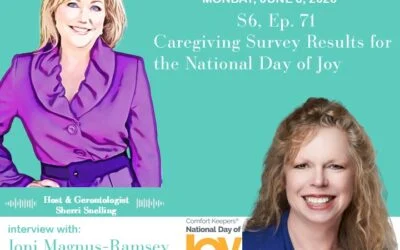
As the demographic shift toward an aging population accelerates globally, the intersection of professional responsibility and personal caregiving has become a defining challenge of the 21st century. Sherri Snelling, host of the acclaimed podcast Caregiving Club On Air, continues to serve as a vital voice in this discourse. Through a series of recent episodes—71, 72, and 73—the program has synthesized critical perspectives from industry experts, shedding light on workplace wellness, the necessity of joy in caregiving, and the labyrinthine world of long-term care (LTC) planning.
Main Facts: The Evolving Role of the Caregiver
The core mission of Caregiving Club On Air is to bridge the gap between abstract caregiving challenges and actionable solutions. Recent episodes highlight a tripartite approach to the modern caregiving experience:
- The Corporate Responsibility Model: How employers can support caregiving staff to maintain productivity and employee mental health.
- The Emotional Necessity: Redefining caregiving not just as a burden, but as a space for human connection and joy.
- The Strategic Planning Mandate: Demystifying the complex logistics of transitioning loved ones into long-term care communities.
Chronology of Recent Discussions
June 2026: Prioritizing Joy (Episode 71)
On June 12, 2026, the podcast featured Joni Magnus-Ramsey of Comfort Keepers. The discussion centered on the 8th Annual National Day of Joy, held on June 24. The conversation shifted the narrative away from the traditional, often somber, view of caregiving, emphasizing that joy is not an accessory to caregiving—it is a vital component of the care plan itself.
Mid-June 2026: Workplace Wellness (Episode 72)
Released on June 22, 2026, this episode featured Melissa Fisher of Kaiser Permanente. The dialogue focused on "Caregiving in the Workplace," a critical topic during Employee Wellness Month. Fisher provided an expert look at how large-scale healthcare organizations are adapting to the fact that a significant portion of their workforce is juggling professional duties with the intense demands of family caregiving.
August 2026: The Logistics of Long-Term Care (Episode 73)
Released on August 31, 2026, this episode featured author Cory Fosco. Discussing his work, The Question of When, the episode provided a deep dive into the practical realities of long-term care. Fosco’s insights serve as a roadmap for families overwhelmed by the "when" of care—when to move a parent, how to select a facility, and how to manage the staggering financial implications.
Supporting Data and Industry Trends
The Economic Impact on Employers
According to research frequently cited within the Caregiving Club ecosystem, caregiving is no longer a private family matter; it is a macroeconomic force. Productivity losses associated with "presenteeism"—where employees are physically at work but mentally and emotionally distracted by caregiving crises—cost U.S. businesses billions annually.
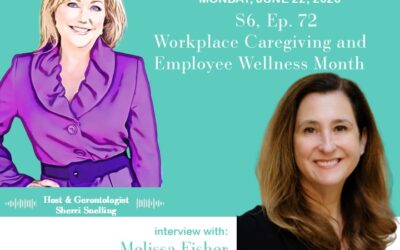
Melissa Fisher’s insights from Kaiser Permanente underscore that companies that fail to provide resources such as flexible scheduling, mental health support, and caregiving leave face higher turnover rates. Conversely, organizations that adopt a "care-friendly" culture see higher retention and morale.
The "Question of When" in Long-Term Care
Cory Fosco’s research highlights a significant knowledge gap. Many families wait until a catastrophic health event occurs before exploring long-term care options. This reactive approach leads to:
- Financial Strain: Limited time to evaluate insurance policies or government aid programs.
- Emotional Trauma: Forced, rushed decisions that can lead to caregiver guilt.
- Reduced Quality of Life: A lack of alignment between the patient’s preferences and the facility’s culture.
Fosco suggests that the "Question of When" should be addressed years before a crisis, turning a medical emergency into a managed transition.
Official Perspectives and Expert Responses
The Comfort Keepers Perspective (Joni Magnus-Ramsey)
Comfort Keepers has long championed the "Interactive Caregiving" philosophy. In her interview, Magnus-Ramsey noted that the National Day of Joy is designed to spark conversations about what makes seniors—and their caregivers—feel alive. By fostering small moments of joy, caregivers can mitigate the "compassion fatigue" that often leads to burnout.
The Kaiser Permanente Perspective (Melissa Fisher)
Fisher’s approach to workplace wellness is systemic. Kaiser Permanente acknowledges that the "sandwich generation"—those caring for both aging parents and their own children—requires a different level of support. The official response from such leaders is to move away from generic wellness programs toward specific, targeted support for caregivers, including respite care resources and peer support networks within the corporate structure.
Implications for the Future of Care
Redefining Corporate Culture
The implications of these discussions are clear: the workplace of the future must be inherently flexible. As the population continues to age, the line between "work time" and "care time" will continue to blur. Companies that build infrastructure to support this reality will win the war for talent.

Empowering the Caregiver
The empowerment of the caregiver through education—as seen in the work of Cory Fosco—is the most effective way to lower the barrier to entry for long-term care. When families are equipped with the vocabulary and the financial literacy to ask the right questions, they move from a position of panic to one of agency.
The Holistic Care Model
Perhaps the most significant takeaway from the Caregiving Club On Air series is the need for a holistic model of care. This model includes:
- Financial Planning: Early intervention in LTC insurance and savings.
- Mental Health: Recognition of the caregiver’s psychological needs.
- Intentional Joy: Proactive integration of happiness and social connection into the daily care routine.
Conclusion: A Call to Action
The episodes hosted by Sherri Snelling serve as more than just a resource for current caregivers; they are a call to action for policy makers, employers, and family members alike. As we look toward the remainder of 2026 and beyond, the message from the Caregiving Club is unmistakable: we cannot wait for a crisis to define our approach to care.
Whether it is the corporate support mechanisms championed by Kaiser Permanente, the practical navigation guides provided by authors like Cory Fosco, or the emotional resilience strategies offered by experts at Comfort Keepers, the resources exist. The challenge now lies in the implementation—moving these strategies from the podcast airwaves into the daily lives of those who provide care, and those who need it.
For those navigating the complexities of caregiving, these episodes of Caregiving Club On Air act as a beacon. By staying informed, planning proactively, and prioritizing the mental well-being of both the caregiver and the recipient, we can navigate the aging process with dignity and resilience.
For further show notes, resources, and to listen to these episodes in full, please visit the official Caregiving Club website.