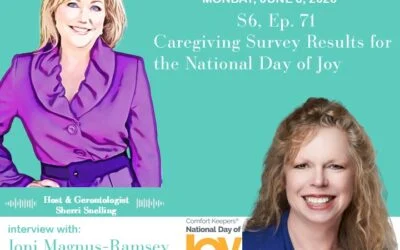











In the complex and often demanding world of eldercare, the pursuit of happiness is frequently sidelined by the practical necessities of medication management, mobility assistance, and safety protocols. However, as the June episode of the Caregiving Club On Air podcast (Season 6, Episode 71) highlights, joy is not merely a luxury—it is a vital component of long-term health and well-being.
This month, host Sherri Snelling sits down with Joni Magnus-Ramsey of Comfort Keepers to explore the significance of the 8th Annual National Day of Joy, celebrated on June 24. Together, they dissect new survey data that sheds light on the emotional landscape of both family caregivers and the older adults they support.
The Essence of the National Day of Joy
The National Day of Joy, an initiative spearheaded by Comfort Keepers, serves as a poignant reminder that even amidst the challenges of aging and caregiving, the human spirit can thrive when nurtured by connection, purpose, and simple, joyful moments. On June 24, over 100 Comfort Keepers offices nationwide are hosting events designed to spark happiness, reduce social isolation, and celebrate the lived experiences of seniors.
During the interview, Magnus-Ramsey emphasized that the day is more than a festive occasion; it is a clinical and emotional intervention. By intentionally creating opportunities for joy, caregivers can mitigate the "caregiver burnout" that often permeates the industry, while simultaneously improving the quality of life for their aging clients.

Chronology of the 2026 Findings
The conversation centered on the release of the 2026 National Day of Joy survey, which gathered data from over 2,000 participants, including both family caregivers and older adults. The findings suggest a shifting paradigm in how we view the "golden years."
- Early 2026: Survey data collection commences, focusing on the intersection of mental health, living arrangements, and the desire for autonomy among the elderly.
- Mid-Spring 2026: Preliminary analysis indicates a growing "independence gap"—where the desire to age in place is high, but the logistical and financial resources to modify homes are often lacking.
- June 24, 2026: The official 8th Annual National Day of Joy. Nationwide activities commence, utilizing the survey’s findings to tailor local engagement strategies.
Supporting Data: The Reality of Aging in Place
"Aging in place"—the ability to live in one’s own home safely and independently as one grows older—remains the gold standard for the majority of Americans. According to AARP, between 79% and 89% of older Americans express a strong desire to avoid institutionalized settings. Yet, the data suggests that this goal is fraught with structural and social obstacles.
The Home Infrastructure Challenge
According to the Pew Research Center, approximately 76 million Americans over the age of 65 currently live in their own homes. However, a significant portion of this population struggles with basic domestic accessibility. Common features that were once routine—such as staircases, high-walled showers, and narrow doorways—have become barriers. The misalignment between home design and physical capability is a primary driver for the necessity of professional home care services.
The Rise of the "Solo Ager"
The demographic landscape is shifting, with a marked increase in "Solo Agers." The Mather Institute reports there are now approximately 22 million people over the age of 60 living alone. This is particularly pronounced among women; U.S. Census data reveals that 43% of women over age 75 live without a partner or spouse. This demographic reality places an immense burden on both the individuals and the informal family caregiver network, which often finds itself stretched thin trying to provide safety checks and emotional support from a distance.
Implications for Families and Caregivers
The implications of this data are clear: professional home care is no longer just a luxury; it is a critical lifeline. For the family caregiver, the pressure to balance their own professional and personal lives with the mounting needs of an aging parent is a source of significant stress.
Magnus-Ramsey notes that the "Caregiving Club On Air" podcast continues to serve as an essential resource for those navigating these waters. The podcast recently achieved a major milestone, reaching the #3 spot among the top 80 caregiving podcasts, as ranked by Feedspot. This recognition underscores a growing public hunger for education, empathy, and practical guidance in the caregiving space.
Expanding the Conversation: The Move to YouTube
Recognizing that the modern caregiver requires multi-modal learning, the Caregiving Club has expanded its footprint. The popular "Caregiver Wellness News" and "Well Home Design News" segments—previously exclusive to the podcast—are transitioning to a dedicated YouTube channel titled Caregiving Club News.
This shift allows for more visual storytelling, particularly regarding "NeuroDesign," which explores how the physical environment impacts the cognitive and emotional health of seniors. As Sherri Snelling has frequently noted, the environment in which an older adult lives can either hinder or help their daily quality of life. By integrating these visual resources, the program aims to help families make informed decisions about home modifications that are both aesthetic and functional.

Official Responses and Expert Perspectives
During the episode, Joni Magnus-Ramsey emphasized that the success of the National Day of Joy lies in its simplicity. "We aren’t looking for grand gestures," she explained. "We are looking for moments of connection that validate the dignity and the history of the person we are caring for."
Sherri Snelling, a recognized expert in the field and author of Me Time Monday, echoed this sentiment. She highlighted that for family caregivers, the concept of "me time" is often met with guilt. However, the science of caregiving suggests that a caregiver who is rested and mentally healthy is a far more effective advocate for their loved one. Her work, including her book and the "Self-Care in 7 Minutes" video series, provides a roadmap for caregivers to integrate self-care into their daily routines without needing massive blocks of time.
Conclusion: Looking Ahead
As the 8th Annual National Day of Joy concludes, the focus must remain on the long-term sustainability of the caregiving model. With the aging population continuing to rise, the infrastructure of support—both in terms of home modifications and emotional assistance—must adapt.
The Caregiving Club remains at the forefront of this movement. Whether through the bi-weekly news updates on YouTube, the informative discussions on their top-rated podcast, or the practical resources provided through the Elder Care Locator, the message is one of empowerment. Caregiving is a challenging journey, but it is one that does not have to be taken alone.

For those looking to get involved or seeking resources, the following links provide a starting point for navigating the complexities of aging, home care, and personal wellness:
- Comfort Keepers: www.comfortkeepers.com
- National Day of Joy: www.comfortkeepers.com/day-of-joy/
- Elder Care Locator: eldercare.gov (1-800-677-1116)
- Caregiving Club YouTube Channel: Subscribe here
In an era where technology and social structures are constantly in flux, the fundamental human need for joy and connection remains constant. Through initiatives like the National Day of Joy and the ongoing advocacy of platforms like the Caregiving Club, we can ensure that our older adults—and the people who care for them—are not just surviving, but thriving.