










By Ali Rogin and Solveig Rennan Sandbulte
The Grand Canyon, a majestic symbol of geological time and American wilderness, has become the site of a harrowing emergency response effort this week. Following a series of catastrophic flash floods that tore through the park’s rugged terrain over the weekend, authorities have confirmed the recovery of two bodies. As search and rescue teams brave volatile conditions, the National Park Service (NPS) reports that more than a dozen individuals remain unaccounted for, sparking a desperate, high-stakes mission across one of the most challenging landscapes in the United States.
The Main Facts: A Park Under Siege
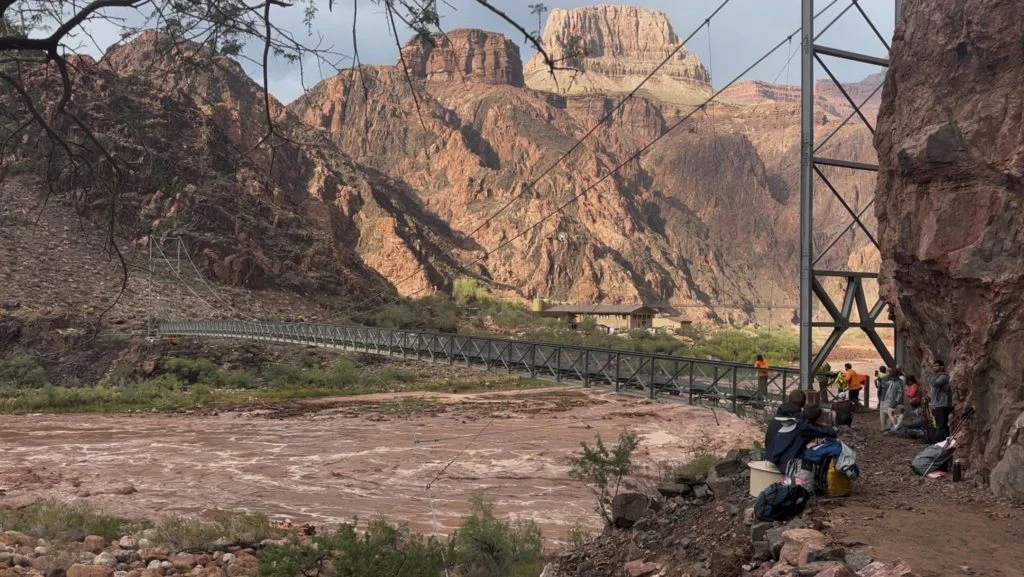
The flash floods, triggered by intense and localized monsoon-style downpours, struck vulnerable areas within the Grand Canyon National Park, catching hikers, campers, and tourists by surprise. The sheer force of the water—often carrying debris, boulders, and thick sediment—has rendered parts of the park’s intricate trail system impassable and dangerous.
The National Park Service has confirmed that two individuals were found deceased in the aftermath of the deluge. While the identities of the victims are being withheld pending notification of next of kin, the gravity of the situation has led to the immediate closure of various lodges, hotels, and visitor accommodations within the park. Officials have warned that the threat is far from over; with the soil saturated and the regional weather forecast predicting further precipitation, the risk of secondary flooding and debris flows remains critically high.
A Chronology of the Crisis
The events began to unfold late last week as meteorologists tracked a stalled weather system over Northern Arizona. While the Grand Canyon is accustomed to summer monsoons, the intensity of this particular event overwhelmed the natural drainage basins.
- Friday Afternoon: The National Weather Service issued flash flood watches for the Coconino Plateau and the inner canyon regions, signaling that the conditions were ripe for rapid water accumulation.
- Saturday Morning: Reports began to surface of sudden, violent water surges in the canyon’s tributary creeks. Hikers, many of whom were deep in the backcountry, found themselves cut off from exit routes as dry washes turned into raging, mud-choked rivers in a matter of minutes.
- Saturday Evening: NPS emergency dispatch centers began receiving distress signals. Search and rescue (SAR) teams were deployed, but their efforts were severely hampered by low visibility, rain-slicked rock faces, and the ongoing risk of further flooding.
- Sunday: As the waters began to recede slightly, recovery efforts commenced. It was during this phase that the two victims were located. Simultaneously, the park initiated a massive sweep of the area, attempting to locate the remaining individuals reported missing by family members and park staff.
- Monday and Tuesday: The focus shifted to containment and continued search. With lodging facilities shuttered, the park has pivoted to supporting displaced visitors while managing the logistical nightmare of conducting a large-scale search in a remote, vertical environment.
Supporting Data: The Science of Canyon Flooding
To understand the severity of this tragedy, one must look at the unique hydrology of the Grand Canyon. The canyon’s composition—predominantly limestone, sandstone, and shale—creates a landscape that is remarkably poor at absorbing sudden, high-volume water.
When rain hits the plateau, it does not soak into the ground; it sheds rapidly into the drainage channels. A storm occurring miles away from a hiking trail can result in a flash flood reaching that trail within minutes, often with no warning signs like darkening skies or thunder at the hiker’s specific location.
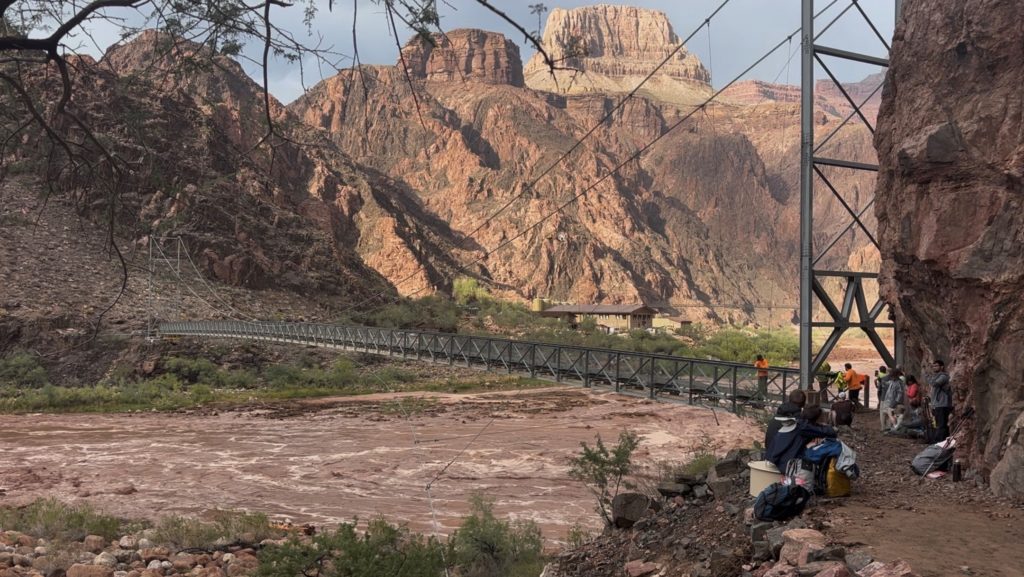
According to data from the National Park Service, flash floods are among the leading environmental hazards in the park. The "narrowness" of the canyon’s side slots acts as a funnel, increasing the velocity and erosive power of the water. The weekend’s event was categorized as a "high-consequence hydrological event," characterized by a sudden transition from calm, dry conditions to a multi-ton surge of debris-laden water.
Official Responses and Tactical Challenges
The National Park Service has mobilized all available resources, including helicopter support, technical rope rescue teams, and K-9 units trained in scent detection. However, the terrain is described by rescue veterans as "nightmarish."
"We are dealing with an environment that is physically hostile to human movement," noted one NPS spokesperson during a Tuesday morning press briefing. "Every step taken by our rescuers is a calculated risk. The ground is unstable, the routes we typically use for egress are compromised, and the weather continues to challenge our ability to keep aircraft in the air."
The Department of the Interior has pledged federal support to the NPS, providing additional funding and specialized equipment to assist in the recovery mission. Local law enforcement agencies from Coconino and Mohave counties have also provided auxiliary support, helping to manage the logistics of families waiting for information at the park’s entrance gates.
Public safety warnings have been issued repeatedly. The park’s administrative team has taken the unprecedented step of closing all major in-park hotels to ensure that no further civilians are caught in the potential path of destruction. They have also established a dedicated hotline for families of those who had planned to be in the backcountry during the flood window.
Implications: Climate, Safety, and Future Preparedness
The tragedy has reignited the conversation regarding climate change and its impact on the frequency of extreme weather events in the American Southwest. While monsoon season is a historical reality for the region, meteorologists are noting that the atmospheric moisture content is increasing, leading to more frequent, high-intensity "cloudburst" events that the current park infrastructure is not equipped to handle.
The "Backcountry Paradox"
The event highlights the difficulty of managing visitor safety in a location where independence is a core part of the experience. The Grand Canyon attracts millions of visitors annually, many of whom are ill-equipped to handle the rapid environmental shifts of a high-desert canyon.

There are growing calls for a more robust real-time alert system. While the NPS currently utilizes SMS-based alerts and radio warnings, the lack of cellular service in the deep canyon makes real-time communication nearly impossible for those on the trails. Experts are now suggesting that the park may need to invest in more satellite-linked emergency beacon infrastructure, though critics argue that such technology might provide a false sense of security in an inherently dangerous wilderness.
Long-Term Impact on Tourism
The closure of major lodging facilities during the height of the summer season is expected to have a significant economic impact on the local economy, which relies heavily on tourism. However, officials insist that safety must supersede economic concerns. The ongoing search and recovery operation will likely remain the primary focus for the next several weeks, and the reopening of trails will be done in phases, contingent upon geological surveys to ensure the structural integrity of the canyon walls.
A Community in Mourning
As the search continues, the mood surrounding the park is one of somber anticipation. Local communities, including the gateway town of Tusayan, have rallied to provide resources for displaced travelers and the families of the missing.
"The canyon is a place of profound beauty, but it is also indifferent to human life," said a local guide who has worked in the park for thirty years. "When the water starts to move, there is no negotiating with it. Our hearts go out to the families who are currently waiting for word on their loved ones. It is a weight that the entire community is sharing right now."
As the rescue teams prepare for another day of searching, the message from the National Park Service remains clear and urgent: stay clear of the affected areas, heed all closure notices, and respect the volatile nature of the canyon. The recovery of the missing remains the top priority, and until the weather stabilizes and the terrain is deemed safe, the Grand Canyon will remain a place of silent, somber transition.