










August 31, 2026 | Analysis
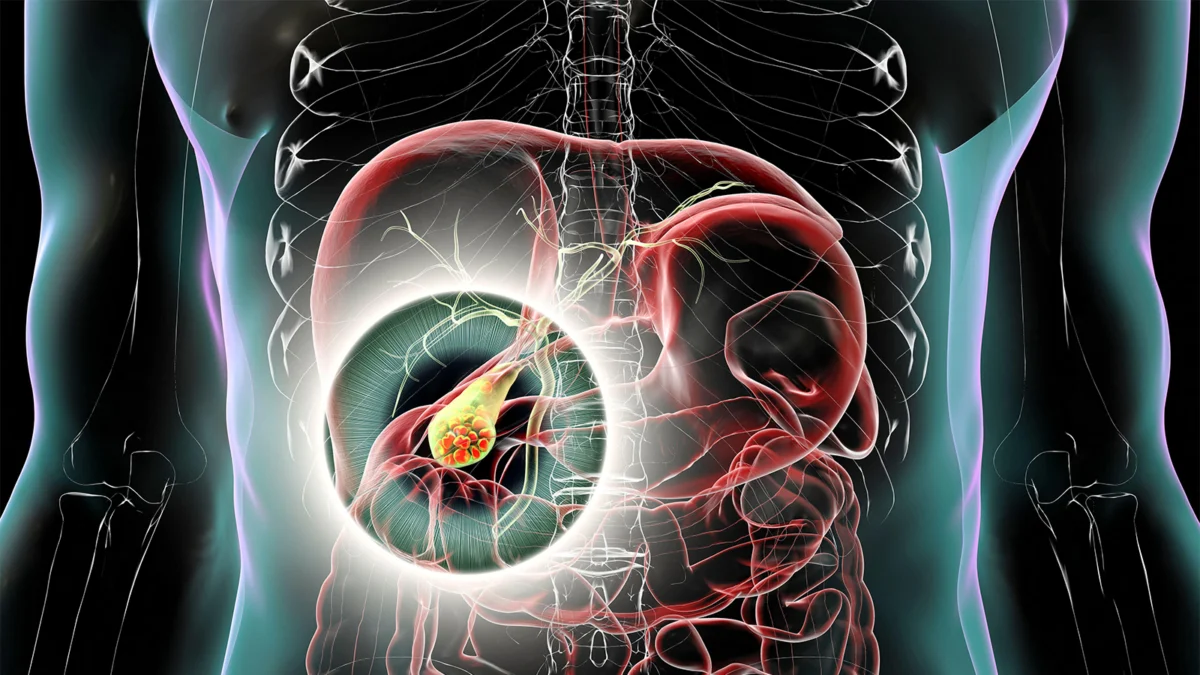
A significant retrospective study has brought to light a concerning safety signal regarding the use of GLP-1 receptor agonists among adolescents and young adults. As these medications—originally developed for type 2 diabetes—become increasingly ubiquitous in the treatment of pediatric obesity, new data published in JAMA Pediatrics suggests that patients may face an elevated risk of biliary and gallbladder complications.
The study, conducted by a research team led by Josélio Rodrigues de Oliveira Filho, MD, of Mass General Brigham and Harvard Medical School, examined the health outcomes of over 37,000 young people. The findings underscore the necessity of increased clinical vigilance when prescribing these potent weight-loss agents to a younger demographic.
The Core Findings: A Closer Look at Biliary Health
The retrospective analysis utilized the TriNetX database to compare outcomes between adolescents and young adults (ages 12 to 21) prescribed GLP-1 receptor agonists and a matched control group. The primary focus was the incidence of gallbladder and biliary events, including biliary colic, cholecystitis (gallbladder inflammation), and cholecystectomy (gallbladder removal surgery).
The results indicated a statistically significant association between GLP-1 usage and specific biliary outcomes:
- Biliary Colic: Patients on GLP-1 therapy saw a relative risk (RR) of 1.62 compared to the control group.
- Cholecystectomy: Surgical removal of the gallbladder was 39% more likely in the treated group (RR 1.39).
While the association with cholecystitis was noted, it did not reach the same level of statistical significance as the other two categories. Notably, when researchers adjusted for various variables—including lag analyses and 12-month administrative censoring—the results remained consistent, bolstering the reliability of the observed safety signal.
A Timeline of Scientific Concern
The path to these findings has been marked by a series of clinical trials and meta-analyses that have slowly built a picture of potential risk.
Early Signals: The STEP TEENS Trial
The first major red flag appeared during the landmark STEP TEENS trial. In this study, which examined the efficacy of semaglutide (Wegovy) in adolescents, researchers noted that 4% of participants in the active treatment arm developed acute gallbladder disease. Remarkably, zero cases were reported in the placebo group. This stark contrast served as a catalyst for deeper investigation into the pediatric population.
Discrepancies in Liraglutide Trials
In contrast to the findings regarding semaglutide, earlier trials—specifically the SCALE Teens and SCALE Kids trials—did not explicitly report significant biliary events associated with liraglutide (Saxenda). This suggests that there may be differences in the physiological impact of various GLP-1 agents, or that the rapid, significant weight loss associated with newer, more potent agents like semaglutide plays a more prominent role in triggering gallbladder issues.
The Adult Precedent
The concern is not entirely new to medicine. A comprehensive 2022 meta-analysis involving 76 randomized clinical trials in adults established that GLP-1 receptor agonist use was linked to elevated risks of gallbladder and biliary disease. While the absolute risk increase for adults was relatively modest—roughly 27 additional cases per 10,000 persons treated annually—it confirmed that these drugs possess a distinct pharmacologic mechanism that can disturb gallbladder function.
Understanding the Biological Mechanism
Why exactly do these medications, which are life-changing for many struggling with obesity, impact the gallbladder? The authors of the JAMA Pediatrics letter propose a two-fold hypothesis:
- Rapid Weight Loss: It is well-documented that rapid weight loss, regardless of the method, predisposes individuals to the formation of gallstones. When the body loses weight quickly, the liver secretes more cholesterol into the bile, and the gallbladder may not empty as efficiently.
- Gallbladder Dysmotility: The authors suggest that the medications themselves may contribute to "GLP-1 receptor agonist-mediated gallbladder dysmotility." Essentially, the drugs may alter the natural rhythmic contractions of the gallbladder, preventing it from clearing bile effectively, thereby creating a "perfect storm" for stone formation and subsequent biliary events.
Methodology and Study Demographics
To arrive at these conclusions, the researchers meticulously matched 18,759 individuals who were prescribed GLP-1 medications against 18,759 control patients.
- Age and Gender: The mean age of the cohort was 17.4 years, with a female majority (63.0%), which is consistent with the higher prevalence of both obesity and gallbladder disease in female adolescents.
- Medication Breakdown: The study captured the real-world landscape of prescriptions, with semaglutide (Wegovy) accounting for 76.7% of the GLP-1 usage, followed by liraglutide (14.5%), dulaglutide (8.6%), tirzepatide (3.4%), and exenatide (0.6%).
- Subgroup Nuances: When researchers zoomed in on patients with Class I and Class II obesity (BMI 30-39.9), the hazard rates were particularly striking, with risks for cholecystitis and biliary colic jumping significantly. Interestingly, the study lacked sufficient data to draw conclusions for those in the "overweight" or "Class III obesity" categories, highlighting an area where future research is urgently needed.
Implications for Clinical Practice
The findings have immediate implications for pediatric endocrinologists and primary care physicians. As the authors of the study emphasize, the data is observational and relies on ICD-10 diagnostic codes, meaning it cannot definitively prove that the medication caused the gallbladder issues. However, the signal is strong enough to warrant a change in how these patients are managed.
Recommendations for Providers:
- Vigilance is Key: Physicians should educate both patients and parents about the symptoms of gallbladder distress—such as upper abdominal pain, nausea, and jaundice—prior to initiating treatment.
- Monitoring Protocols: The study highlights the need for standardized monitoring. While there is currently no consensus on how often to screen patients, the medical community must determine if asymptomatic patients require routine imaging or if intervention should be symptom-driven.
- Prophylactic Strategies: The authors suggest that the medical community should investigate whether strategies used in bariatric surgery patients—such as the prophylactic use of ursodeoxycholic acid to prevent gallstones during rapid weight loss—might be effective for those on GLP-1 therapy.
The Path Forward: What Needs to Change?
While the benefits of GLP-1 receptor agonists in managing pediatric obesity—including the reduction of cardiovascular risks and improvements in metabolic health—are profound, the "safety signal" regarding the gallbladder cannot be ignored.
The current reliance on retrospective data leaves several questions unanswered. For instance, the study did not have access to specific dosage information, the total duration of treatment, or the exact amount of weight lost by each participant. These factors are crucial, as they could help identify whether there is a "safe" rate of weight loss that mitigates biliary risk.
"Prospective studies should clarify risk stratification," the researchers noted. Future research must prioritize:
- Prospective Data Collection: Moving beyond electronic health records to clinical trials that track gallbladder imaging over time.
- Identifying High-Risk Patients: Can we predict which adolescents are most prone to these events before they start the medication?
- Guideline Updates: Professional organizations, such as the American Academy of Pediatrics, may need to incorporate specific biliary monitoring guidelines into their obesity management protocols.
In conclusion, while the clinical utility of GLP-1 agonists for youth obesity remains high, the JAMA Pediatrics study serves as a vital reminder that these medications are potent tools that require cautious, informed, and vigilant application. As the medical community continues to refine the use of these drugs, the focus must shift toward balancing aggressive weight management with the long-term preservation of gallbladder health.