











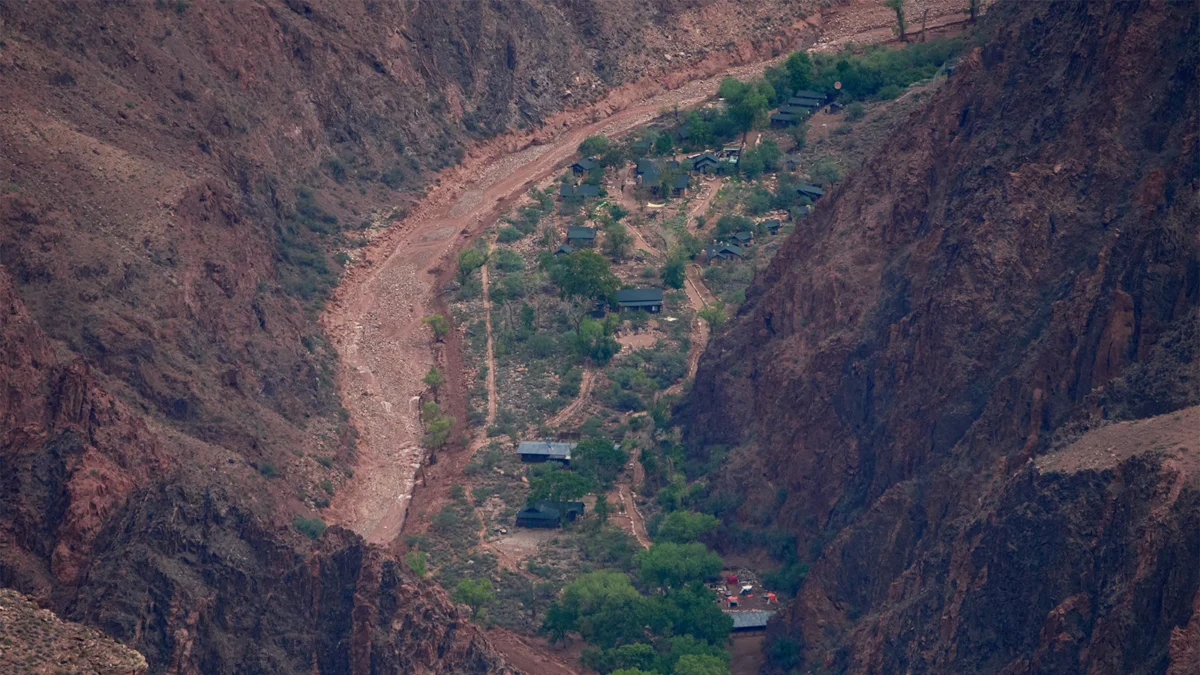
The majestic silence of the Grand Canyon, a landscape defined by millions of years of geological patience, was shattered this past weekend by a violent, rapidly moving flash flood. What began as a dream excursion for outdoor enthusiasts has devolved into a harrowing search-and-rescue operation, leaving at least one hiker dead, two others missing, and an entire national park reeling from the destructive power of a monsoon season amplified by climate volatility.
As rescue teams comb the treacherous terrain of the Bright Angel Creek area, the human toll continues to mount. Families of those caught in the deluge are grappling with the reality of a trip gone wrong, while park officials work to manage a logistical nightmare involving severed water supplies and the evacuation of scores of stranded visitors.
The Human Toll: A Dream Trip Cut Short
Among the casualties identified is a Texas-based chiropractor, a man who had ventured into the canyon with two companions for what was intended to be a rejuvenating two-night retreat of fishing and exploration. According to a joint statement released by the families on Monday, the trio had checked in with loved ones on Thursday and successfully reached their planned campsite by Friday. That was the last time anyone heard from them.
The families of the two remaining missing men, identified as Brent Rosenkranz and Timothy Smith, are maintaining a desperate vigil as aerial and ground search teams continue their sweep of the canyon floor. The recovery of the chiropractor’s body is a somber milestone in an operation that officials fear may uncover further casualties.
"The entire time it was raining—the entire time I’m going through all this and packing—I’m just keeping my eyes upstream, just praying that a wall of water isn’t coming toward us," said Daniel Evans, a hiker who was in the vicinity when the storm hit. His account reflects the terrifying uncertainty faced by dozens of other visitors who found themselves caught in the path of the deluge.
Chronology of a Catastrophe
The events of the weekend unfolded with terrifying speed, characteristic of the "monsoon season" that frequently plagues the American Southwest.
- Thursday: The three missing hikers make their final contact with family members, confirming they are in high spirits and on track with their itinerary.
- Friday: The group reaches their designated campsite near the bottom of the canyon. The weather remains relatively stable, though atmospheric conditions are shifting.
- Saturday Morning: Heavy rain begins to manifest across the canyon, particularly around the Bright Angel Creek area.
- Saturday Afternoon: The situation deteriorates rapidly. A 30-minute downpour creates a massive surge of water, logs, and debris. Rangers begin emergency evacuations as the flash flood severely damages the park’s primary water pipeline.
- Sunday: Search-and-rescue teams recover the body of a 46-year-old man near Crystal Rapids.
- Monday: Recovery efforts intensify. Officials confirm a second body has been located, though efforts to retrieve it remain underway. Authorities issue a public plea for anyone who was in the park during the flooding to check in, noting that more than a dozen individuals remain unaccounted for.
The Mechanics of the Deluge
The Grand Canyon’s unique topography makes it a natural funnel for water. The steep, rocky walls provide no opportunity for absorption, meaning that even moderate rainfall can quickly coalesce into a charging wall of water. This effect was exacerbated significantly by recent environmental factors.
The Role of the Burn Scar
The impact of the rainfall was worsened by the lingering effects of the Dragon Bravo fire. Ignited by lightning in July 2025, the wildfire consumed vast swathes of vegetation, including the historic Grand Canyon Lodge. In the absence of ground cover, the barren soil acts like concrete, preventing the land from soaking up water and instead accelerating the velocity and volume of runoff into the creek beds.
Atmospheric Instability: The El Niño Factor
Hydroclimatologist Dr. A. Park Williams of UCLA points to the influence of a strong El Niño event, which has increased the concentration of water vapor in the atmosphere. "That extra water vapor in the southwest U.S. gets wrung out in the storm in the form of rainfall," Williams explained.
This is not merely a statistical anomaly. Research published in Weather and Climate Extremes by Dr. Daniel Swain and his colleagues indicates that short-term, intense downpours in the Western United States have increased in intensity by approximately 10% since the year 2000. These findings suggest that the Grand Canyon’s "monsoon season" is becoming increasingly lethal as global climate patterns shift.
Official Responses and Infrastructure Crisis
The flash floods did more than threaten human lives; they struck a decisive blow to the park’s critical infrastructure. The primary water pipeline, which serves both the 4.4 million annual visitors and the 1,600 permanent residents of Grand Canyon Village, sustained "severe damage" during the storm.
The Pipeline Rehabilitation Project
The damage is particularly ironic given that the park is currently in the midst of a $208 million rehabilitation project intended to modernize the aging water delivery system. Initiated in 2023, the project was designed to ensure long-term sustainability for the park. With the pipeline now severed, the South Rim’s potable water storage tanks are effectively isolated. Park officials have been forced to implement emergency water restrictions for all residents and have barred tourists from staying in internal lodges and hotels.
National Park Service personnel, in coordination with the state Department of Emergency and Military Affairs and county emergency management teams, are currently prioritizing the search-and-rescue mission. "Our primary focus is the safety and accountability of every individual who was in the park," a spokesperson noted, urging patience from the public as they manage the dual crises of the search operation and the utility failure.
Implications for Future Tourism
The disaster has triggered a wave of soul-searching regarding the safety protocols for high-traffic national parks during extreme weather events. As visitors continue to flock to the Grand Canyon, the tension between the public’s desire to experience the wilderness and the reality of an increasingly unpredictable climate is reaching a breaking point.
The evacuation of scores of visitors by helicopter serves as a stark reminder of the limitations of human technology in the face of natural disasters. As rangers warn of the potential for further flooding—given that the canyon remains shrouded in heavy, moisture-laden clouds—the message to the public is clear: the wilderness is not a static backdrop, but a dynamic, often dangerous environment that demands extreme vigilance.
For the families of the missing, the wait continues. For the park administration, the challenge is twofold: they must navigate the immediate tragedy of the search-and-rescue effort while simultaneously confronting the daunting task of restoring a life-sustaining water system in one of the most rugged and inaccessible environments on Earth. As the rain continues to fall over the canyon walls, the community waits for answers, hoping that the death toll will not rise further.