








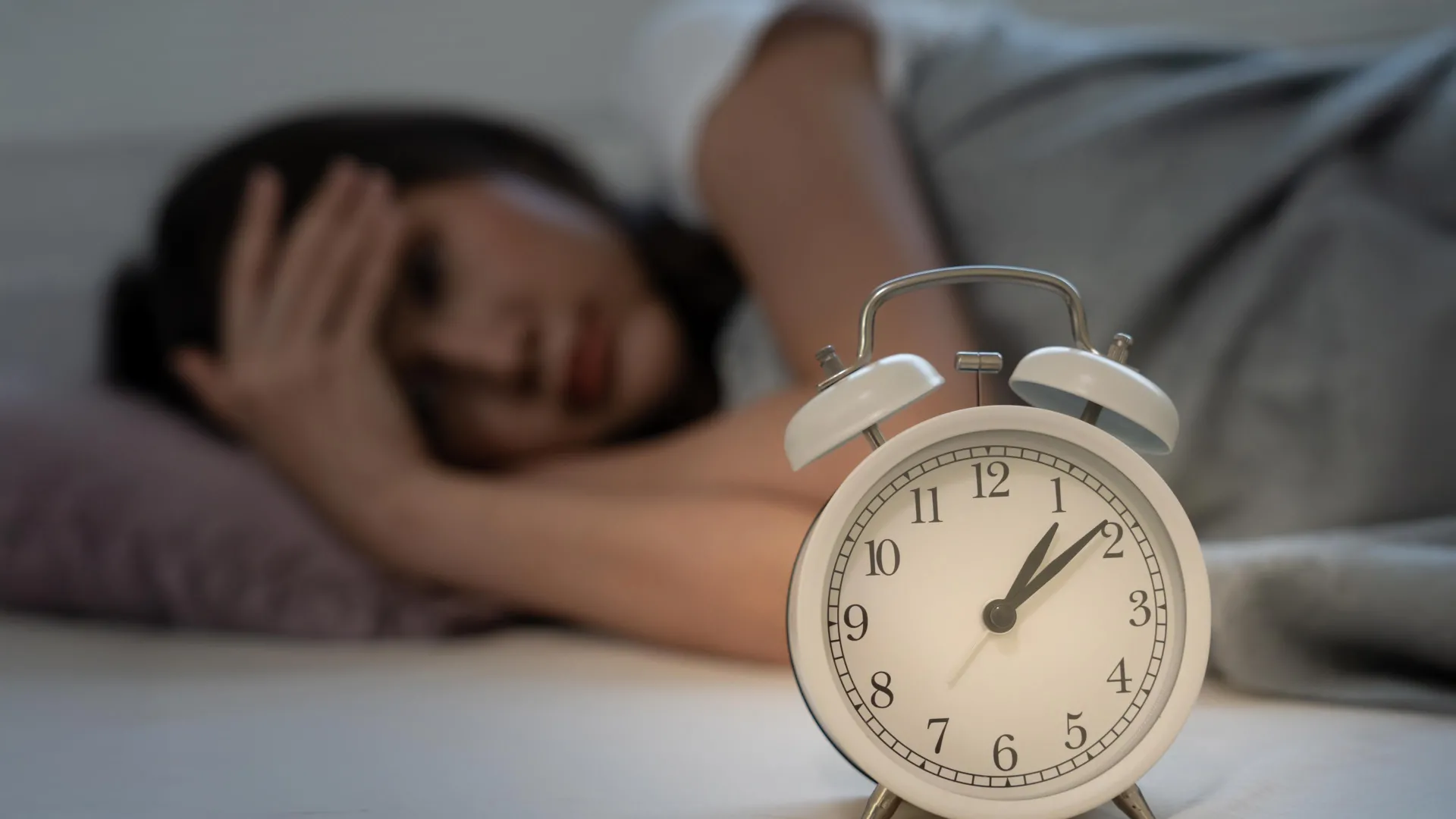
In the modern era, the "city that never sleeps" has become the global standard for urban existence. From the pervasive glare of LED streetlamps to the blue-light glow of personal electronic devices, human beings are exposed to higher levels of artificial light at night (ALAN) than at any point in history. While the societal benefits of nighttime illumination—such as improved safety and convenience—are well-documented, a growing body of scientific evidence suggests we may be paying a hidden price in cardiovascular health.
A preliminary study, set to be unveiled at the American Heart Association’s (AHA) Scientific Sessions 2025 in New Orleans, provides some of the most compelling evidence to date that our luminous nights are actively stressing our brains and inflaming our arteries. By bridging the gap between satellite-based light data and clinical brain imaging, researchers have identified a potential biological pathway that links urban brightness to an increased risk of heart disease, heart attacks, and strokes.
The Science of the "Luminous Threat"
The investigation, led by Dr. Shady Abohashem of Massachusetts General Hospital and Harvard Medical School, represents a groundbreaking intersection of environmental science and cardiovascular medicine. For the study, researchers analyzed data from 450 adults, all of whom had undergone Positron Emission Tomography/Computed Tomography (PET/CT) scans.
Crucially, the study cohort consisted of individuals without pre-existing heart disease or active cancer, allowing researchers to observe the baseline physiological impact of light exposure without the interference of chronic illness. By combining the anatomical precision of CT scans with the metabolic sensitivity of PET imaging, the team was able to map how the brain processes environmental light and how that processing translates into vascular inflammation.
The findings were striking: researchers identified a nearly linear relationship between nighttime light intensity and cardiovascular risk. As light exposure increased, so too did markers of brain stress activity and arterial inflammation.
Chronology of a Public Health Concern
The realization that light pollution is a clinical concern is a relatively recent development in the field of cardiovascular science.
- Pre-2020s: Research into light pollution focused primarily on its impact on biodiversity, migratory patterns of birds, and the disruption of local ecosystems.
- 2023–2024: Sleep researchers began to sound the alarm on "circadian disruption," noting that artificial light suppresses melatonin—a hormone essential for sleep regulation and metabolic health.
- October 28, 2024: The American Heart Association issued a formal scientific statement on the Role of Circadian Health in Cardiometabolic Health and Disease Risk. The statement explicitly labeled light pollution as a major factor in suppressing melatonin and delaying sleep onset, formally linking it to cardiometabolic disease.
- November 2025: The presentation of the new PET/CT imaging study at the AHA Scientific Sessions marks a turning point, providing the "how" behind the health risks—specifically, the activation of stress pathways in the brain.
Supporting Data: The Brain-Heart Axis
To understand why a lightbulb might cause a heart attack, one must understand the "brain-heart axis." When the brain perceives environmental stressors—including excessive light that disrupts the circadian rhythm—it initiates a fight-or-flight response.
According to Dr. Abohashem, this process triggers a cascade of immune responses. "When the brain perceives stress, it activates signals that can trigger an immune response and inflame the blood vessels," he explains. "Over time, this process contributes to the hardening of the arteries, known as atherosclerosis, which is the primary driver of heart attacks and strokes."
The study utilized satellite measurements of light pollution to categorize the participants’ residential environments. By overlaying this data with individual PET/CT scans, the team confirmed that even moderate increases in nightly brightness correlated with higher levels of metabolic activity in the amygdala—the brain’s stress center—and increased inflammation in the carotid arteries.
Official Responses and Expert Perspective
The scientific community is viewing these preliminary findings as a vital catalyst for future research. Dr. Julio Fernandez-Mendoza, a professor of psychiatry, neuroscience, and public health sciences at Pennsylvania State University, who was not involved in the study, emphasized the novelty of the results.
"We have known for some time that artificial light at night is detrimental to health, but the mechanistic link has remained elusive," Dr. Fernandez-Mendoza noted. "This study sheds light on the brain’s role as a mediator. It suggests that our neurological response to light is not just a sleep issue; it is a vascular health issue."
Dr. Fernandez-Mendoza, who serves on the AHA’s writing committee for sleep health, believes this evidence necessitates a shift in how we view urban planning. "We are moving toward a consensus where excessive nighttime light must be considered a public health concern, much like air or noise pollution," he added.
Implications for Policy and Personal Health
While the study is observational—meaning it identifies a correlation rather than proving a direct cause-and-effect relationship—the consistency of the findings suggests that simple environmental modifications could yield significant health benefits.
Recommendations for Urban Planning
The researchers suggest that municipal governments have a responsibility to mitigate "light trespass." Potential interventions include:
- Shielding: Implementing directional streetlamp shields to prevent light from spilling into residential windows.
- Spectral Management: Transitioning to warmer-colored lighting, which has less of a suppressive effect on melatonin than harsh, blue-spectrum LED light.
- Motion Sensors: Utilizing adaptive lighting that dims when streets are unoccupied, reducing the total "light burden" on the population during late-night hours.
Practical Steps for Individuals
On an individual level, the experts suggest "light hygiene" as a preventative strategy:
- Blackout Curtains: Investing in high-quality window coverings to block exterior light pollution.
- Digital Curfew: Avoiding screens (TVs, smartphones, and tablets) at least an hour before sleep, as the blue light emitted by these devices mimics daylight and triggers the same stress pathways identified in the study.
- Environmental Control: Keeping the bedroom as dark as possible to ensure the body’s internal clock remains synchronized with the natural day-night cycle.
Limitations and Future Directions
Despite the compelling nature of the findings, the researchers are careful to acknowledge the study’s limitations. As a preliminary analysis presented at a conference, the data has not yet undergone the rigorous peer-review process required for publication in a major scientific journal.
Furthermore, because the participants were drawn from a single hospital system, the results may not be generalizable to the broader, more diverse global population. Future iterations of this research aim to:
- Expand the Demographic Scope: Include diverse socioeconomic and geographic populations to determine if the effects of light pollution are exacerbated by other environmental stressors, such as noise or air pollution.
- Intervention Trials: Move beyond observation to test whether installing shielding or using specialized filters actually leads to measurable reductions in arterial inflammation.
- Long-term Monitoring: Track participants over a decade to see if "light-healthy" habits directly correlate with lower incidences of cardiac events over time.
Conclusion: A New Frontier in Preventive Cardiology
The realization that our environment—specifically the light we live in—can act as a physiological stressor is changing the landscape of preventive cardiology. For decades, the focus has remained on diet, exercise, and genetics. However, as we continue to illuminate the night, we are discovering that the environment we inhabit during our resting hours may be just as influential on our cardiovascular health as the choices we make during the day.
"This research indicates that light pollution is more than just an annoyance," Dr. Abohashem concluded. "It is a potential risk factor that we can, and should, address at both the policy and personal levels."
As the scientific community prepares to convene in New Orleans, the message is clear: in the pursuit of heart health, it is time to take the lights down. By reclaiming the darkness, we may be providing our hearts with the rest they so desperately require to remain resilient against the stresses of the modern world.