








By Jana Wu, LCSW, LADC
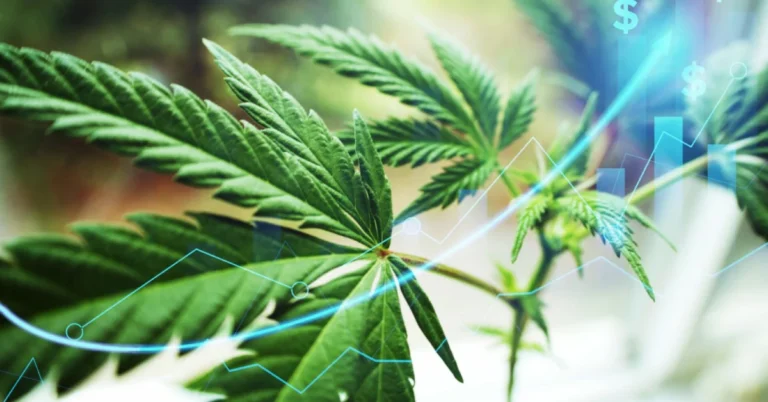
In the aisles of neighborhood gas stations, boutique vape shops, and unassuming health food stores, a new category of products has emerged. Labeled with the unassuming name "kratom," these capsules, powders, and concentrated extracts have become a ubiquitous feature of the modern American retail landscape. Yet, beneath the brightly colored packaging lies a substance shrouded in controversy, clinical ambiguity, and a complex legal history.
As a licensed clinician working at the front lines of substance use treatment, I have observed a rising trend: individuals are increasingly turning to this botanical derivative—native to the tropical forests of Southeast Asia—as a self-administered panacea for everything from chronic pain to treatment-resistant depression. While proponents champion its "lifesaving" potential, the medical community remains deeply concerned about the lack of regulation, the potential for addiction, and the long-term health risks that remain largely unstudied.
Main Facts: Understanding the Substance
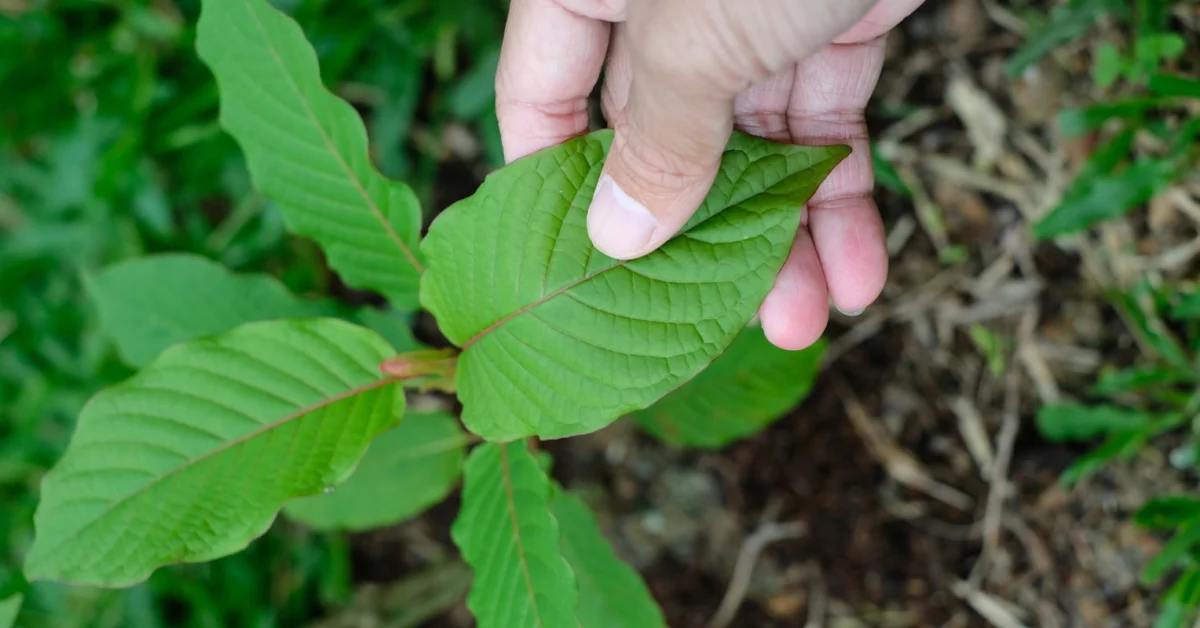
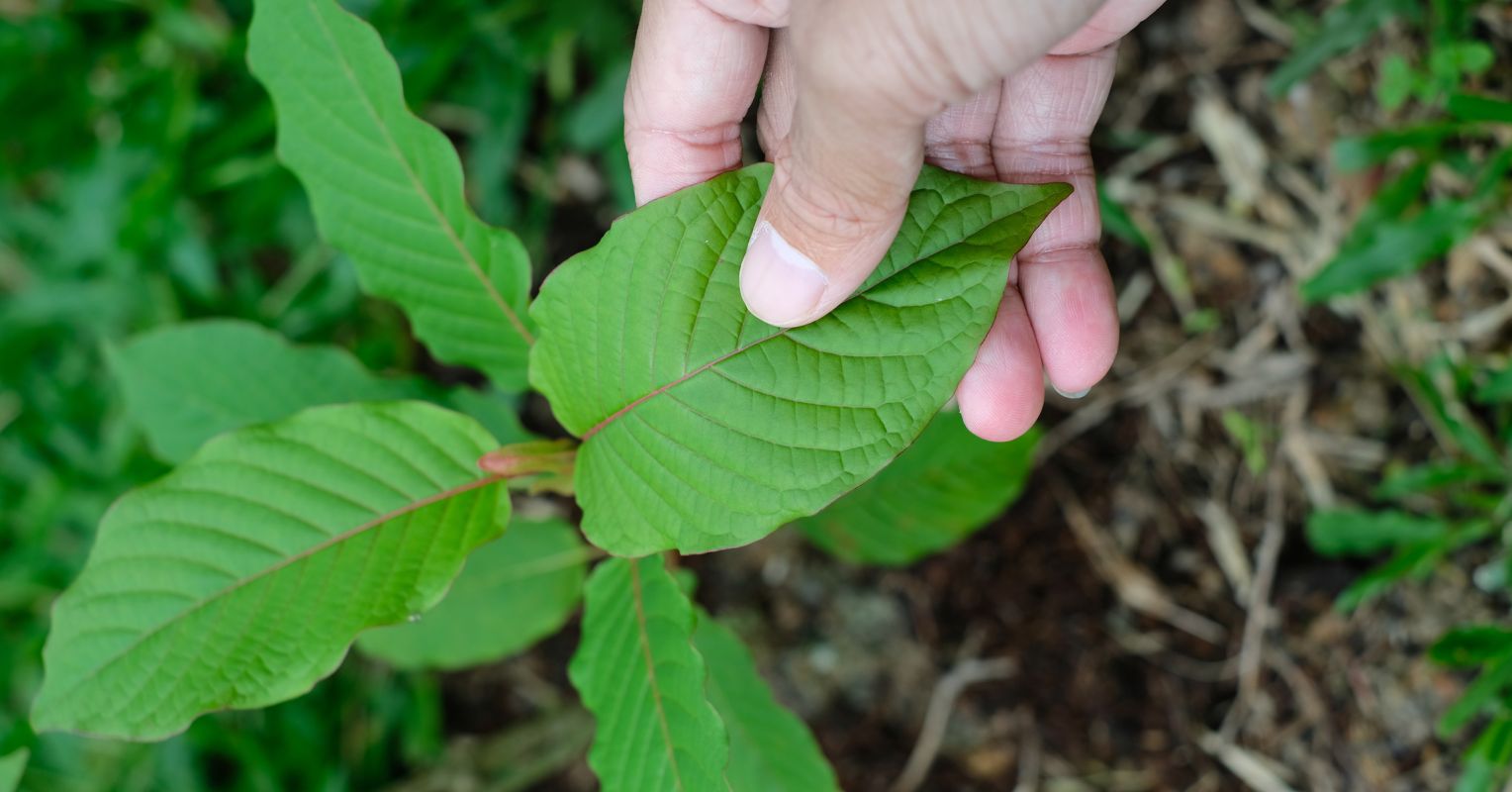
Kratom (Mitragyna speciosa) is a tropical evergreen tree in the coffee family. For centuries, laborers in countries like Thailand, Malaysia, and Indonesia have chewed the raw leaves to stave off fatigue, enhance physical endurance, and manage the aches associated with manual labor.
When it reaches Western markets, the substance is typically processed into a fine powder or concentrated extract. Its active alkaloids, primarily mitragynine and 7-hydroxymitragynine, interact with the brain’s opioid receptors, producing effects that can be both stimulant and sedative, depending on the dosage. At lower doses, users report heightened alertness and sociability; at higher doses, the substance produces an analgesic and calming effect, which is precisely why it has gained traction among those seeking alternatives to conventional pharmaceuticals.
A Chronological Evolution: From Traditional Herb to Regulatory Gray Area
The trajectory of kratom in the United States has been marked by rapid expansion followed by reactive, fragmented legislation.
- Pre-2000s: Kratom remains a regional botanical, largely unknown to the Western world, used primarily in traditional Southeast Asian medicine.
- 2000–2015: The rise of the internet facilitates the global trade of botanical supplements. Kratom enters the U.S. market, marketed as a "legal high" or a natural health supplement.
- 2016: The Drug Enforcement Administration (DEA) announces its intent to list kratom as a Schedule I controlled substance, citing public safety risks. Following unprecedented public outcry and petitions from the scientific and advocacy communities, the DEA withdraws the proposal—a rare move in federal drug policy.
- 2018–2022: As the opioid epidemic ravages the U.S., use of kratom spikes among those attempting to self-manage withdrawal symptoms. The FDA begins issuing aggressive warnings, noting that no kratom product has been approved for any medical use.
- 2023–Present: A patchwork of state-level regulation begins to emerge. Florida serves as a primary example, signing the "Kratom Consumer Protection Act" in June 2023, which imposes age restrictions and establishes product standards, signaling a shift from total prohibition toward regulated access.
Supporting Data: Why People Are Turning to Kratom
The allure of kratom is rooted in a fundamental gap in the American healthcare system: the management of chronic pain and mental health. With millions of Americans struggling with the side effects of conventional opioids or the lack of efficacy in antidepressants, kratom is often positioned as an accessible, "natural" solution.
Current estimates suggest that over two million Americans are regular kratom consumers. In my clinical practice, the narrative is remarkably consistent. Patients often arrive at our doors after having exhausted traditional medical routes. A recent study published in Frontiers in Pharmacology found that over 90% of respondents viewed kratom as "very effective" in managing their physical pain.
However, the efficacy of the substance is only one side of the coin. The other side is the lack of quality control. Because the FDA does not monitor kratom for purity, a consumer purchasing a "kratom shot" at a convenience store has no way of verifying the potency, the presence of contaminants (such as heavy metals or salmonella), or whether the product has been "spiked" with synthetic opioids to increase its effect.
Official Responses and the Regulatory Gap
The regulatory landscape remains a "wild west." The FDA’s stance is unequivocal: they advise against the use of kratom, warning that the substance carries risks of abuse, addiction, and physical harm. However, because the agency lacks the mandate to regulate supplements with the same rigor as pharmaceuticals, the market continues to operate with minimal oversight.
States like Florida are attempting to fill this vacuum. The 2023 legislation is a landmark in the sense that it acknowledges the existence of the industry while attempting to curb the most egregious risks—specifically, access by minors. A second-degree misdemeanor for selling to those under 21, coupled with potential jail time, reflects a growing government recognition that kratom is not a benign herbal tea, but a psychoactive substance that warrants age-gated control.
Clinical Implications: The Hidden Cost of "Natural"
As healthcare providers, our duty is to approach this phenomenon with both intellectual curiosity and clinical caution. While an individual might report an initial reduction in anxiety or pain, the transition from "therapeutic use" to "substance use disorder" is a path I have seen many walk.
The Mechanism of Dependence
Kratom’s interaction with opioid receptors means that it can, and does, lead to physiological dependence. In my work with clients, I have seen a recurring pattern:
- The Honeymoon Phase: The user finds relief from symptoms and experiences a sense of control over their health.
- Tolerance Building: As the brain adapts to the alkaloids, the initial dose no longer produces the same effect. The user increases the frequency and quantity of their intake.
- The Tipping Point: The substance stops being a tool for wellness and becomes a requirement for normalcy. Relationships, finances, and occupational functioning begin to erode.
I have treated patients who have depleted their savings to maintain their habit, missing work and isolating themselves from family. When these individuals attempt to stop, they experience withdrawal symptoms remarkably similar to those of opiate cessation: profound anxiety, muscle aches, insomnia, and deep, existential depression.
Addressing the Crisis: Treatment and Recovery
Recovery from kratom dependence is entirely possible, but it requires a specialized approach.
1. Medical Detox
Because withdrawal can be physically taxing—causing chills, nausea, and severe body aches—a medically supervised detox is often the safest starting point. This ensures that the patient is supported by clinical staff who can manage the acute physiological symptoms of withdrawal.
2. Medication-Assisted Treatment (MAT)
For those transitioning away from heavy kratom use, particularly those who began using it to manage opioid withdrawal, MAT options—such as buprenorphine—can be life-saving. These treatments, which are FDA-approved and backed by extensive longitudinal research, provide a stable foundation for recovery that "natural" alternatives simply cannot match.
3. Holistic and Psychological Support
Addiction is rarely just about the substance; it is about the unmet needs and the underlying trauma that the substance was being used to "treat." Individual, group, and family therapy are essential. At centers like Mountainside, we are currently developing specialized support groups for kratom users to dissect the "why" behind their use, helping them transition from a place of dependency to a place of empowered, evidence-based wellness.
Conclusion: The Path Forward
The story of kratom is a cautionary tale about the dangers of bypassing clinical oversight in favor of rapid, unverified relief. While there may indeed be therapeutic potential in the alkaloids found within the Mitragyna speciosa tree, we are currently miles away from a scientific consensus on safe dosages, long-term health implications, or standardizations of purity.
Until such time as large-scale, peer-reviewed clinical trials are conducted and appropriate federal oversight is established, the "kratom miracle" remains a high-stakes gamble for the consumer. As we look toward the future, we must advocate for a more nuanced discourse—one that balances the consumer’s desire for natural health options with the absolute necessity of safety, informed consent, and professional medical guidance. If you or a loved one are struggling, the best course of action is not to search for a new supplement on a store shelf, but to reach out to a licensed professional who can provide a safe, supported path to healing.