










The human body is governed by a complex, ancient architecture known as the circadian rhythm—an internal biological clock that regulates everything from hormone release and core body temperature to cognitive function and metabolism. When this internal timing is forcibly disrupted by long-haul international travel or the grueling demands of rotating shift work, the consequences are more than just a case of "the blues." The resulting desynchronization, commonly known as jet lag, can lead to profound sleep fragmentation, metabolic distress, and reduced performance.
For decades, the standard response to these disruptions has been a combination of behavioral modifications: light exposure therapy, strict meal scheduling, and the administration of exogenous melatonin. However, these methods are often cumbersome, difficult to adhere to, and inconsistent in their efficacy. Now, a groundbreaking collaboration between researchers at Rice University and Northwestern University has introduced a paradigm-shifting alternative: an implantable, bio-engineered cell therapy that leverages metabolic signaling to help the body synchronize with new environments significantly faster.
The Science of Synchronization: How the Therapy Works
The study, recently published in the journal Advanced Science, details a sophisticated approach to biological regulation. At the heart of this innovation is the use of human retinal pigment epithelial cells that have been bio-engineered to function as a "living pharmacy."
These cells are programmed to produce leptin—a hormone naturally secreted by adipose tissue that plays a pivotal role in regulating energy balance and metabolic homeostasis. The researchers encapsulated these cells within microscopic, porous alginate spheres. This encapsulation serves a dual purpose: it acts as a protective shield, hiding the engineered cells from the recipient’s immune system, while simultaneously functioning as a semi-permeable membrane that allows the therapeutic leptin protein to diffuse steadily into the bloodstream.
Once injected subcutaneously, the device provides a controlled, temporary boost to the body’s circulating leptin levels. Because the cells have a limited lifespan, they naturally lose viability over time, effectively acting as a "timed-release" intervention that resolves itself without the need for surgical removal.
Chronology of the Research and Development
The journey toward this therapy began with the recognition that the metabolic and circadian systems are not merely parallel processes, but deeply integrated physiological partners.
- Initial Conceptualization: The research team, led by Omid Veiseh, PhD, of Rice University, and Fred Turek, PhD, of Northwestern, sought to move beyond the limitations of pharmaceutical pills or light boxes. They posited that by tapping into the body’s metabolic signaling pathway, they could "nudge" the central circadian clock.
- The Rodent Trials: The first phase of testing involved murine models subjected to shifted light-dark cycles. The results were striking. Mice treated with the leptin-producing implants demonstrated an accelerated adaptation to time-zone shifts. Specifically, those receiving the therapy adapted to a four-hour schedule delay 50% faster than their control counterparts.
- Non-Human Primate Studies: Understanding that rodent biology does not always perfectly mirror human complexity, the team progressed to cynomolgus macaques. These primates share sleep-wake architectures closer to that of humans. In these trials, the therapy reduced the "entrainment time"—the time required for the body’s clock to align with the new schedule—by approximately one full day following a six-hour phase shift.
- Long-term Monitoring: To ensure safety, the team conducted longitudinal monitoring, including blood chemistry and clinical observation, over the course of a year. The results confirmed no significant toxicity or adverse long-term physiological impact, paving the way for future translational applications.
Supporting Data and Physiological Indicators
The success of the therapy was not based on anecdotal improvement but on rigorous, multi-modal physiological monitoring. The researchers tracked a suite of biomarkers to confirm that the animals were not simply "masking" the symptoms of jet lag, but were truly realigning their internal clocks.
Key indicators monitored during the study included:
- Activity Levels: Measuring the return to normal nocturnal movement patterns.
- Heart Rate Variability: Tracking the alignment of cardiac rhythms with the new circadian cycle.
- Core Body Temperature: The most reliable indicator of central clock function. The treated primates showed a significantly faster shift in the nadir (the lowest point) of their temperature cycles.
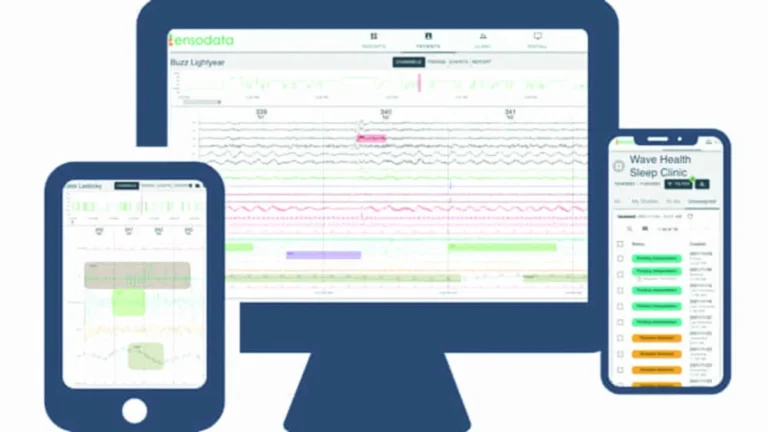
- Sleep Architecture: Perhaps most critically, the researchers performed detailed polysomnographic analysis. The therapy did not negatively impact sleep quality or duration. In fact, observations showed an increase in slow-wave sleep—the restorative, deep-sleep stage—following schedule shifts, indicating that the therapy may actually enhance the quality of recovery during the transition period.
Official Responses and Expert Perspectives
The research team emphasizes that this is not intended to be a permanent alteration of the human circadian system, but rather a "surgical" intervention for specific periods of high-demand disruption.
"Current approaches for adjusting circadian rhythms rely heavily on precisely timed behaviors such as light exposure, meal schedules, or melatonin administration," says Omid Veiseh, PhD, professor of bioengineering at Rice and faculty director of the Rice Biotech Launch Pad. "We wanted to explore whether a temporary cell therapy could provide a more practical way to help the body adapt to changing schedules."
The significance of the study lies in its validation of the metabolic-circadian link. As Martha Hotz Vitaterna, PhD, professor of neurobiology at Northwestern University and co-corresponding author, notes: "Metabolism and circadian rhythms are closely connected, but the therapeutic potential of that relationship remains largely unexplored. These findings suggest that metabolic signals can be leveraged to accelerate adaptation to circadian disruptions."
From a clinical perspective, the study’s findings regarding species conservation are particularly encouraging. "The fact that we observed similar effects in both rodents and non-human primates suggests that the underlying biology may be conserved across species," explains Fred Turek, PhD, director of Northwestern’s Center for Sleep and Circadian Biology. This conservation increases the likelihood that human trials will yield similarly robust outcomes.
Samantha Fleury, a PhD graduate student and the study’s first author, underscored the safety design of the platform: "Our goal was not to permanently alter the circadian system. We wanted a therapy that could provide short-term support during periods of disruption and then naturally resolve."
Broader Implications for Industry and Society
The potential applications for this technology are vast, extending far beyond the occasional trans-Atlantic flight.
The Modern Workforce
Shift work is a fundamental pillar of the global economy, yet it is associated with increased risks of cardiovascular disease, metabolic syndrome, and mental health challenges. By helping shift workers, such as hospital staff, emergency responders, and manufacturing personnel, adapt to changing hours, this therapy could serve as a powerful public health tool to mitigate the chronic fatigue and health declines associated with non-traditional schedules.
Strategic and Defense Operations
Military personnel, particularly those involved in global deployments or rapid-response operations, frequently face extreme circadian disruptions. The ability to rapidly "reset" the biological clock could prove to be a significant advantage in maintaining cognitive readiness and physical performance in high-stakes environments.
The Future of Bio-Engineering
This study represents a maturation of cell-based therapies. While previous efforts in this field often focused on replacing damaged organs or tissues, this research highlights the potential for "regulatory" medicine—using cells as sensors and controllers to tune physiological systems.
Looking forward, the research team is already mapping out the next phase of the project. They aim to further investigate the specific molecular mechanisms that bridge leptin signaling and the suprachiasmatic nucleus (the brain’s master clock). Furthermore, they are exploring "next-generation" versions of the implant that could offer "tunable" support, allowing patients or clinicians to adjust the dosage or duration of the therapy as needed.
Conclusion
The collaboration between Rice and Northwestern has provided a compelling proof-of-concept for a new class of therapy. By moving from behavioral "nudges" to metabolic "triggers," science is inching closer to a world where the internal clock is no longer an immutable barrier to global travel and round-the-clock productivity.
While the therapy must still undergo rigorous human clinical trials to ensure safety and efficacy, the current data suggests that the internal clock is far more malleable than previously believed. In the years to come, this implantable technology could well become the standard for those whose lives require them to live against the grain of the sun.