










For millions of Americans, the simple act of rising from a chair, climbing a flight of stairs, or taking a brisk walk has become a source of daily trepidation. Knee pain, often dismissed as a mere "sign of aging," frequently masks a more complex and progressive condition: knee osteoarthritis (OA). As the most common form of arthritis, this condition is not just a localized joint issue; it is a systemic challenge that threatens mobility, mental health, and long-term physical vitality.
The Anatomy of Discomfort: Understanding Knee Osteoarthritis
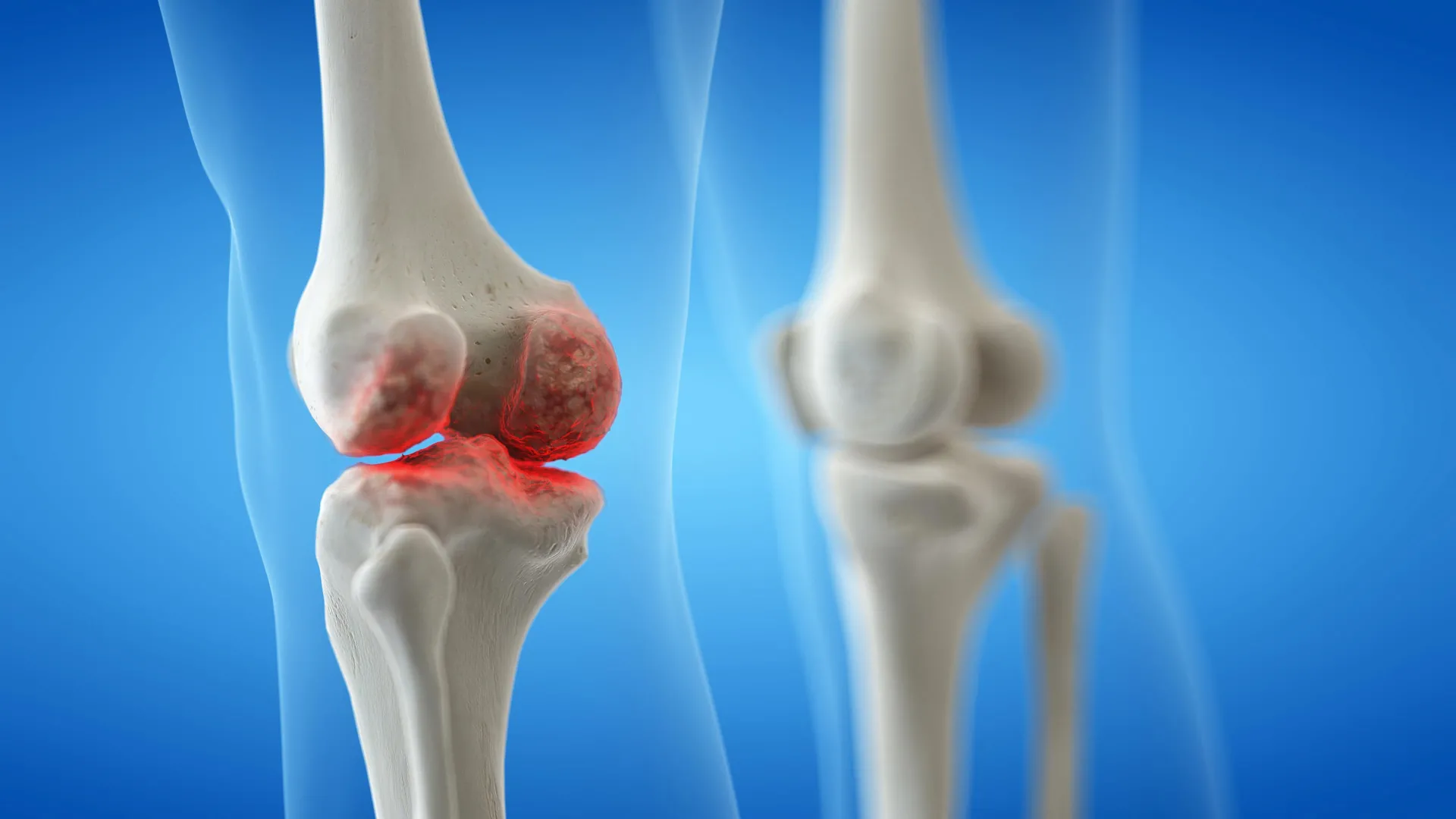
At its core, knee osteoarthritis is a degenerative disease characterized by the gradual breakdown of articular cartilage. This slick, resilient tissue acts as a shock absorber between the femur and the tibia, facilitating frictionless movement. In a healthy joint, cartilage remains smooth and intact. In an osteoarthritic joint, that protective barrier thins, frays, and eventually erodes, causing bone-on-bone friction that manifests as persistent pain, swelling, and reduced range of motion.
The progression of the disease is often insidious. Patients may start with minor stiffness in the morning or mild discomfort after prolonged activity. Over time, however, these symptoms can escalate, transforming from a minor inconvenience into a debilitating obstacle that restricts daily activities and alters a person’s independence.
A Multifaceted Burden: The Wider Implications of Joint Health
The impact of knee osteoarthritis extends far beyond the physical sensation of pain. Dr. Abby Cheng, an orthopedic surgeon and specialist in physiatry at the Washington University School of Medicine in St. Louis, emphasizes that the condition creates a "domino effect" on overall health.
"Osteoarthritis can cause knee pain and stiffness, which can negatively impact a person’s activity level, risk of falling, mood and general quality of life," Dr. Cheng explains. When mobility is compromised, the professional and social costs mount. Patients may face missed days at work, decreased productivity, and a diminished ability to engage in the social activities that sustain mental well-being.
Furthermore, the sedentary lifestyle that often follows an OA diagnosis creates a dangerous feedback loop. Reduced activity is a known gateway to systemic chronic conditions, including cardiovascular disease, type 2 diabetes, and certain cancers. By limiting movement to avoid pain, patients inadvertently increase their risk of secondary health crises, making the management of knee health a public health imperative.
The Data: A Silent Epidemic
The statistics surrounding knee osteoarthritis are staggering. According to health data, more than 30 million adults in the United States are currently living with some form of the condition. While the public perception often frames arthritis as an inevitable consequence of senior citizenship, the reality is far more inclusive. Roughly 50% of all osteoarthritis cases occur in individuals of working age, making it a significant economic issue as well as a medical one.
The knee stands as the most frequently affected joint, subjected to the highest weight-bearing loads of the human skeletal system. This high-impact usage makes the knee particularly susceptible to the degenerative wear and tear that defines the condition.
Risk Factors: Identifying the Vulnerable
While age is a primary driver, it is far from the only factor. Medical research has identified several key contributors to the development of knee OA:
- Mechanical Stress: Being overweight or obese places excessive, constant pressure on the cartilage of the knee.
- Muscular Weakness: Weak quadriceps and surrounding leg muscles fail to provide the necessary support for the joint, transferring more load to the cartilage itself.
- Biological and Historical Factors: Genetic predispositions, a family history of the disease, and previous trauma—such as ACL tears or meniscus injuries—significantly increase the likelihood of developing chronic osteoarthritis later in life.
- Demographics: Studies consistently show that women are more susceptible to knee osteoarthritis than men, particularly after menopause.
Managing the Condition: A Proactive Approach
For those already diagnosed, the outlook is not one of inevitable decline. Modern medicine and lifestyle interventions offer a robust toolkit for pain management and disease slowing.
Nutritional Interventions
Dr. Cheng advocates for an anti-inflammatory dietary approach. "Eating more plants and less processed or sugary food reduces inflammation in the body, which can reduce pain from osteoarthritis in all joints," she notes. By replacing refined carbohydrates with whole grains, fruits, and vegetables, patients can lower systemic markers of inflammation that exacerbate joint pain.
Physical Rehabilitation
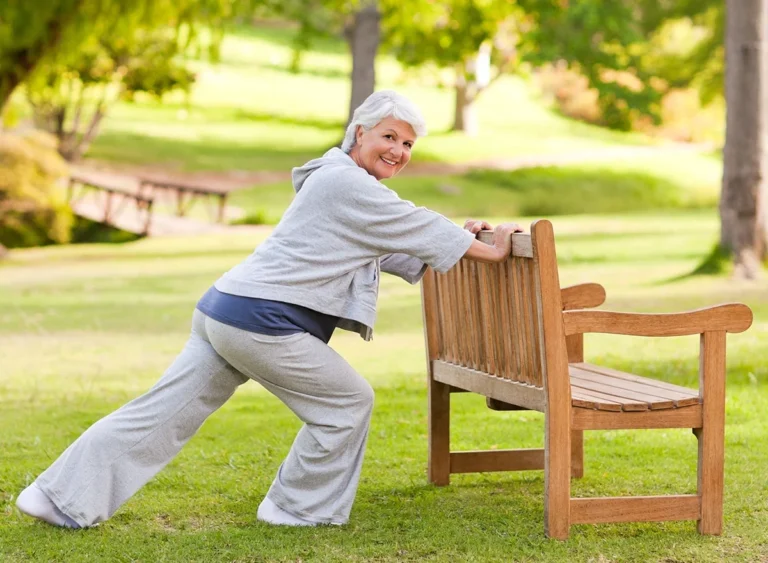
Strengthening the musculature surrounding the knee is perhaps the most effective non-surgical intervention. Strong thigh muscles act as shock absorbers, redistributing force away from the damaged joint. This is often supplemented by physical therapy, the use of targeted knee braces, and, when necessary, anti-inflammatory medications or therapeutic injections, such as cortisone, to manage acute flare-ups.
The Power of Weight Management
Weight loss remains the most potent tool in the patient’s arsenal. Dr. Cheng illustrates the mechanics of this with a compelling statistic: for an individual who is overweight, losing just 10 pounds can reduce the cumulative stress placed on the knees by 40 pounds with every single step. Over the course of a day—where the average person takes thousands of steps—this reduction in mechanical pressure can be the difference between chronic pain and relative comfort.
Dispelling Myths: The Truth About Exercise and Genetics
A common misconception in the orthopedic community is that exercise, particularly running, is inherently destructive to the knees. This has led many to abandon physical activity out of fear of "wearing out" their joints. However, current research suggests that when performed with proper form and appropriate intensity, physical activity is vital for joint health. Movement circulates synovial fluid, which nourishes the cartilage, and keeps the muscles strong enough to protect the bone.
Similarly, there is a pervasive sense of fatalism regarding family history. Many patients assume that if their parents suffered from arthritis, they are destined to follow the same path. Dr. Cheng clarifies this point: "Some people think that because a parent or grandparent had osteoarthritis, they will develop it too. And while it’s true that osteoarthritis can run in families, it doesn’t mean there’s nothing a person can do to successfully lower their risk."
Genetics may load the gun, but lifestyle choices often pull the trigger. By maintaining a healthy weight, strengthening the musculoskeletal system, and avoiding traumatic injury, individuals can significantly alter their trajectory, even if they have a genetic predisposition.
The Path Forward: Personalized Care
The journey of managing knee osteoarthritis is not a "one-size-fits-all" experience. It requires a collaborative relationship between the patient and their healthcare provider. Modern care strategies involve creating individualized plans that integrate diet, exercise, weight management, and medical intervention.
In advanced cases where conservative measures fail, surgical options like knee replacement surgery have become highly successful, offering patients a return to full mobility and a dramatic improvement in quality of life. However, surgery is most effective when the patient has been prepared through pre-habilitation—strengthening the body to improve post-operative recovery.
Conclusion: Taking Control
Knee osteoarthritis is a formidable challenge, but it is one that can be managed, mitigated, and in many cases, delayed through conscious, daily action. By shifting the perspective from "passive suffering" to "proactive management," patients can preserve their mobility and protect their long-term health.
Whether it is through small dietary shifts, consistent low-impact exercise, or professional weight-loss support, the tools to combat the progression of osteoarthritis are largely within our reach. It is your health; taking control today is the best investment you can make for the mobility of your future.