








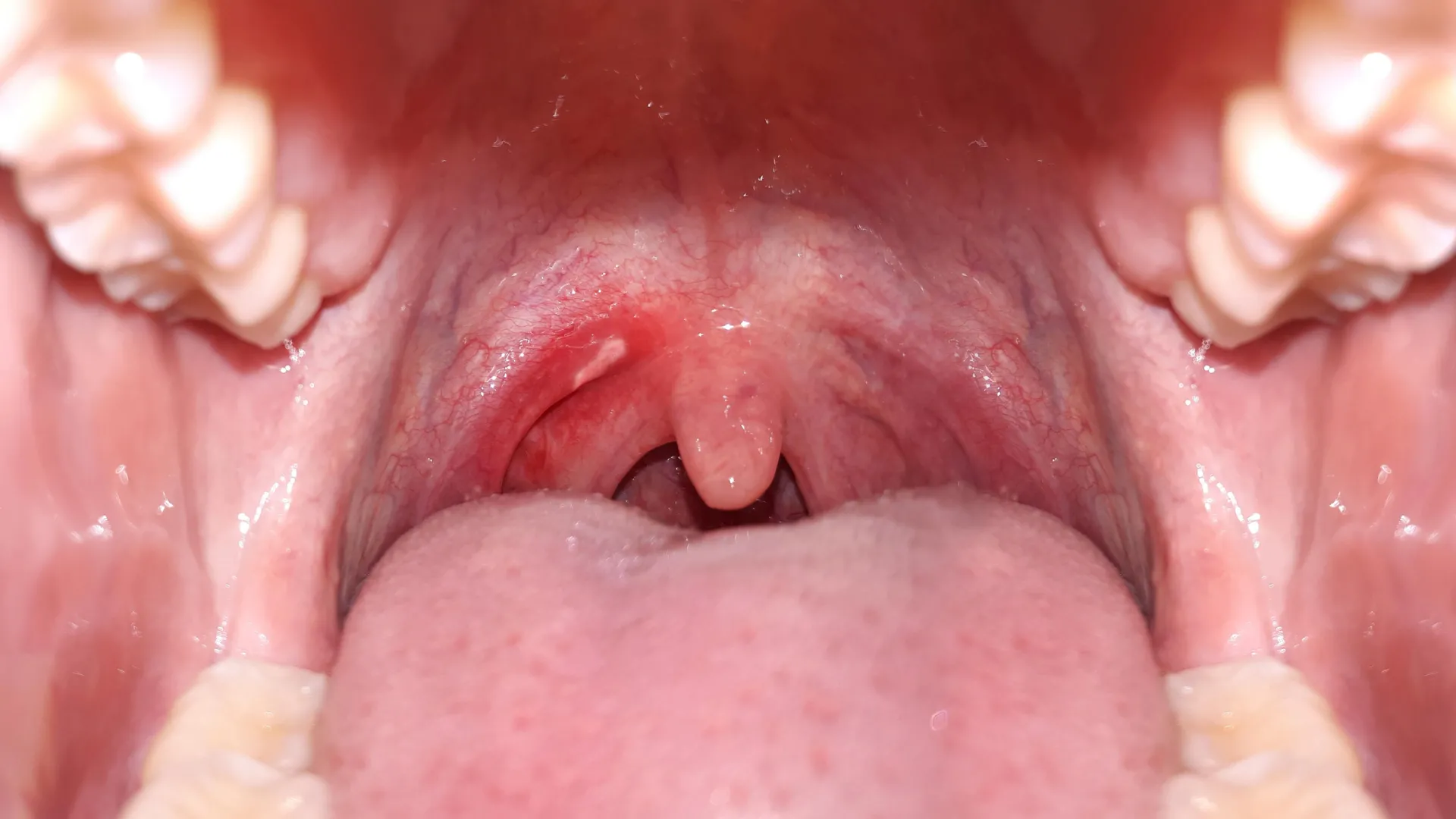
A landmark study published in the open-access journal BMJ Global Health has sounded a clarion call regarding the silent epidemic of oral cancer in India. By meticulously untangling the complex relationship between alcohol consumption, tobacco use, and buccal mucosa cancer (cancer of the inner lining of the cheeks and lips), researchers have identified a sobering reality: there is no such thing as a "safe" amount of alcohol when it comes to oral health.
The research, which spanned over a decade of data collection, indicates that even minimal daily alcohol intake is associated with a significantly elevated risk of developing mouth cancer. Perhaps most concerning is the discovery that the synergy between alcohol and chewing tobacco acts as a primary driver for the disease, potentially accounting for nearly two-thirds of all cases in the country.
The Magnitude of the Threat: India’s Oral Cancer Landscape
Mouth cancer has long been a significant public health challenge in India, currently ranking as the second most common malignancy in the nation. The statistics are staggering: an estimated 143,759 new cases are diagnosed annually, resulting in nearly 80,000 deaths. The incidence rate—now hovering just below 15 cases per 100,000 men—has been on a relentless upward trajectory.
The most prevalent form of the disease affects the buccal mucosa, the soft, sensitive tissue lining the inside of the cheeks and lips. Despite advances in oncology, the prognosis for these patients remains bleak, with a five-year survival rate of only 43%. This low survival rate underscores the critical need for primary prevention and early detection, rather than relying solely on treatment protocols.
Chronology of the Research: A Decade of Investigation
The path to these findings began in 2010, when researchers initiated a large-scale comparative study that continued through 2021. The study design was robust, involving 1,803 patients diagnosed with buccal mucosa cancer and 1,903 control participants—randomly selected individuals who were cancer-free.
Participants were recruited from five specialized centers across India, ensuring a representative demographic that spanned both urban and rural populations. The age range was particularly revealing: while the majority of participants were aged 35 to 54, nearly 46% of all cancer cases occurred in younger adults between the ages of 25 and 45. This indicates a worrying trend of the disease affecting the most economically productive segment of the population.
Throughout the study period, researchers conducted granular interviews, gathering data on the duration of alcohol and tobacco use, the frequency of consumption, and the specific varieties of substances used. By collecting data on 11 internationally recognized alcoholic beverages (such as whisky, vodka, and beer) and 30 locally brewed varieties (including apong, bangla, chulli, desi daru, and mahua), the team was able to map the risk profile of various drinking habits with unprecedented precision.
Supporting Data: The Alcohol-Tobacco Synergy
The study’s findings regarding the interplay between alcohol and tobacco are perhaps its most critical contribution to global health literature. While it has long been known that these substances are co-factors in carcinogenesis, the scale of their combined impact in the Indian context had previously been underestimated.
The "No Safe Threshold" Discovery
The researchers found that the risk begins at astonishingly low levels. Even drinking less than 2 grams of beer daily—a negligible amount—showed a measurable increase in risk. When that consumption hits just 9 grams per day—roughly equivalent to one standard drink—the risk of developing buccal mucosa cancer jumps by 50%.
The Role of Locally Brewed Alcohol
While internationally recognized alcoholic drinks were associated with a 72% higher risk compared to non-drinkers, those who consumed locally brewed beverages faced an 87% increase in risk. Researchers hypothesize that this disparity is linked to the lack of regulation in the production of local spirits, which often contain toxic contaminants such as methanol and acetaldehyde, and can feature alcohol concentrations as high as 90%.
The Multiplier Effect
When tobacco use is introduced to the equation, the risk profile transforms from concerning to critical. The study estimates that the interaction between alcohol and chewing tobacco is responsible for 62% of all buccal mucosa cancer cases in India. Those who use both substances simultaneously experience a more than fourfold increase in risk, suggesting that the two substances create a lethal "double-hit" scenario for the oral lining.
How Alcohol Compromises Oral Tissue
The biological mechanism behind this surge in cancer risk is multifaceted. The researchers suggest that ethanol acts as a solvent that alters the lipid (fat) content of the buccal mucosa. By changing the permeability of the tissue, alcohol allows the potent carcinogens found in chewing tobacco to penetrate deeper into the cellular structure. This process essentially primes the mouth for malignant transformation, regardless of how long an individual has been using tobacco.
According to the data, alcohol consumption alone can be blamed for approximately 11.5% of all buccal mucosa cancer cases nationwide. However, in states with higher rates of local liquor consumption—such as Meghalaya, Assam, and Madhya Pradesh—that figure rises to nearly 14%.
Regulatory Challenges and Official Oversight
The study highlights a profound disconnect between the current regulatory landscape and the public health reality. In India, the regulation of alcohol is governed by the Seventh Schedule of the Constitution, which places alcohol under the "State List." This means that while the central government can set broad guidelines, each state has the autonomy to manage its own production, distribution, and taxation policies.
This fragmented system has created a "grey market" for locally brewed liquors. Because these products are often produced in the informal sector, they escape the stringent safety testing and quality control measures applied to commercial alcohol. As the researchers point out, these unregulated spirits are frequently contaminated with industrial-grade toxins that exacerbate the carcinogenic potential of the alcohol itself.
Public health advocates have long argued that a more uniform, national approach to alcohol control is necessary to combat the rising tide of non-communicable diseases. However, the economic interests involved in the state-level taxation of alcohol often complicate the implementation of tighter restrictions.
Implications: A Roadmap for Prevention
The conclusion drawn by the authors of the BMJ Global Health study is unequivocal: "There is no safe limit of alcohol consumption for buccal mucosa cancer risk."
For policymakers and public health officials, the implications are clear. The study suggests that if India could successfully implement comprehensive prevention strategies targeting both alcohol and tobacco, it could theoretically eliminate the vast majority of buccal mucosa cancer cases in the country.
Recommendations for Future Action:
- Public Awareness Campaigns: Moving beyond general "don’t smoke" messaging to specifically highlight the danger of the alcohol-tobacco combination.
- Stricter Regulation of Local Brews: Implementing safety standards for the production of traditional liquors to remove toxic impurities.
- Alcohol Pricing and Availability: Using fiscal policy, such as increased taxation and restricted access, to reduce per capita consumption, particularly among the youth.
- Clinical Integration: Integrating oral cancer screening into routine primary healthcare visits, particularly for those who report consistent use of tobacco and alcohol.
As India grapples with the dual burden of infectious and chronic diseases, the findings of this study offer a sobering look at a preventable catastrophe. By acknowledging that even a single drink can increase cancer risk, and by addressing the unregulated nature of local alcohol, India has the potential to spare hundreds of thousands of its citizens from a painful and often fatal diagnosis. The science is now clear; the challenge remains in the political and social will to act upon it.