









While arterial cardiovascular events like heart attacks and strokes have long dominated public health discourse, a quieter, equally lethal adversary has been rising in prevalence: venous thrombosis. Recent breakthroughs from researchers at Lund University in Sweden have brought this condition into the spotlight, identifying new genetic markers that significantly amplify the risk of blood clots. As the global population ages and sedentary lifestyles become the norm, understanding the biological and genetic underpinnings of blood clotting has never been more critical.
The Bifurcation of Blood Clots: Arterial vs. Venous
To understand the risk, one must first distinguish between the two primary types of blood clots. Though both involve the solidification of blood, their mechanisms, triggers, and consequences are fundamentally different.
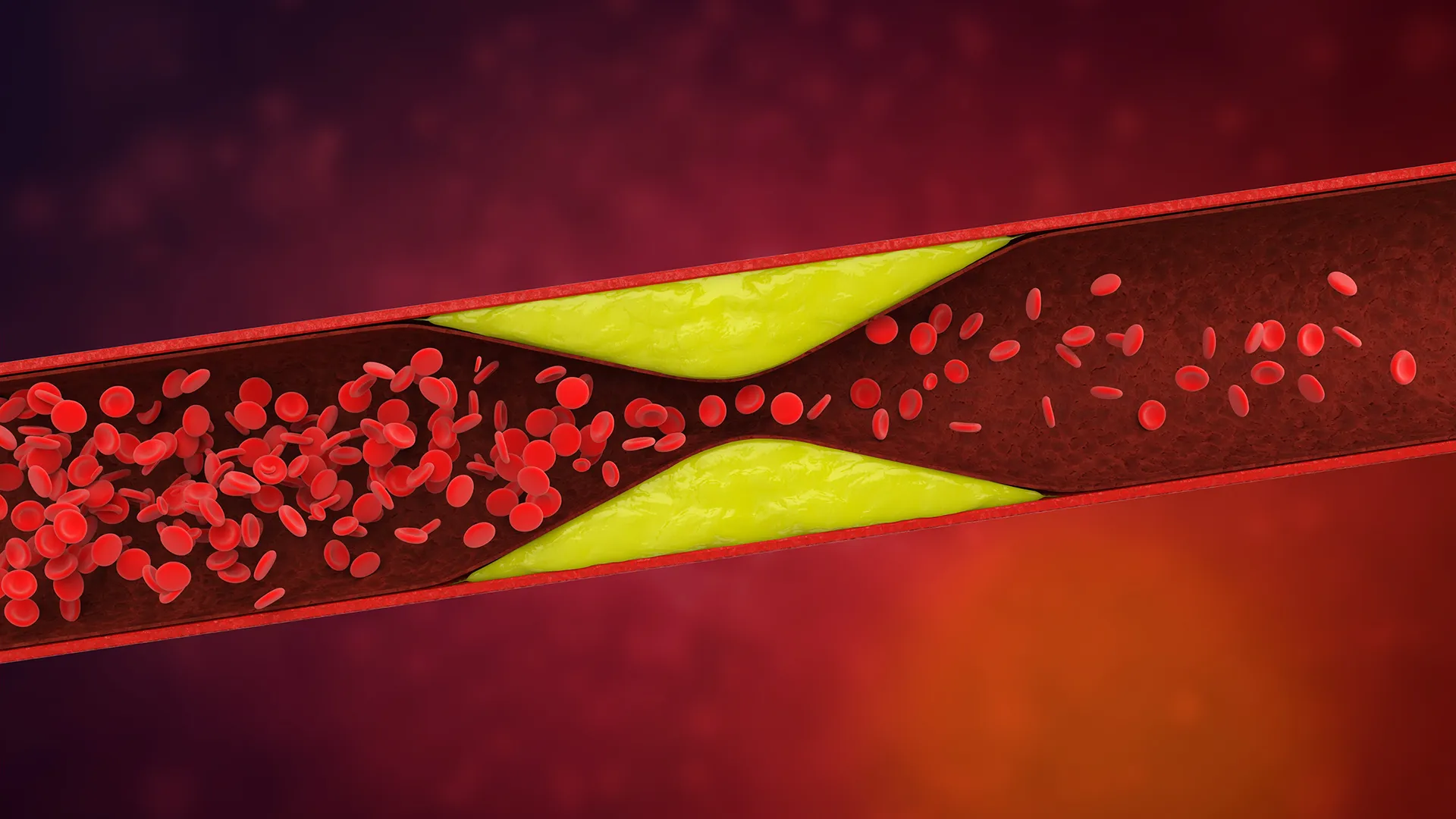
Arterial clots are typically born from a chaotic reaction to injury within the vessel. When plaque—a buildup of fat and calcium—ruptures in an artery, the body interprets this as a traumatic wound. Platelets rush to the site, clumping together to form a clot. Because arteries operate under high pressure, these clots can quickly obstruct blood flow to vital organs, leading to the catastrophic outcomes of myocardial infarction (heart attack) or ischemic stroke.
Venous thrombosis, conversely, operates in a low-pressure environment. These clots usually form in the legs when blood flow stagnates—a condition known as venous stasis. When the body’s coagulation system is improperly triggered during this period of inactivity, the blood thickens, forming a thrombus. The danger here is systemic: if a portion of the clot breaks free, it becomes an embolus, traveling through the circulatory system until it reaches the lungs. This results in a pulmonary embolism, a life-threatening medical emergency.
"Venous thrombosis is in fact one of the most common causes of death in the world," explains Bengt Zöller, a specialist in general medicine at Skåne University Hospital and professor at Lund University. "It is a common disease that has always been somewhat overshadowed by arterial blood clots."
The Rising Tide: Epidemiological Trends and Risk Factors
In Sweden alone, over 10,000 individuals suffer from venous thromboembolism (VTE) annually, a figure that is trending upward. This increase is multifaceted, driven by both demographic shifts and lifestyle changes.
The Impact of Age and Physiology
Age remains the most formidable risk factor for VTE; approximately 10% of 80-year-olds will experience a blood clot at some stage in their lives. However, physical stature also plays a surprising role. Tall individuals are at a higher risk because their veins are longer, requiring blood to travel a greater distance against gravity back to the heart. This added distance, combined with the fact that larger veins may exhibit slower blood flow, creates a higher propensity for stasis.
Lifestyle and Metabolic Drivers
Unlike arterial disease, which is closely tied to blood pressure and cholesterol, venous clots are less influenced by these metrics. Smoking, while detrimental, is only a weak to moderate risk factor for VTE. Instead, the primary non-genetic culprit is obesity.
Obesity creates a “double-hit” scenario: it negatively impacts venous circulation and frequently correlates with decreased physical activity. Furthermore, certain clotting factors are biologically altered in the presence of excess adipose tissue. Sedentary behavior is the enemy of the venous system; because muscles in the legs act as a pump to drive blood upward, inactivity effectively allows the legs to become "columns of fluid" subject to the relentless pull of gravity.
Dietary Influences
While research into the nutritional prevention of VTE is ongoing, preliminary data suggest that diet matters. Ultra-processed foods have been linked to an increased risk of clotting, whereas plant-based, whole-food diets appear protective. Interestingly, studies on commercial fishermen suggest a potential benefit from high omega-3 fatty acid intake, which may contribute to a lower incidence of venous clots.
The Genetic Frontier: Beyond Factor V Leiden
For years, the medical community has focused on "Factor V Leiden," a mutation that causes resistance to activated protein C (APC). This mutation, found in roughly 10% of the Swedish population, is the most common coagulation disorder among those of Indo-European descent. While it likely provided an evolutionary advantage in the past by reducing blood loss during injury, it has become a liability in our modern, sedentary society.
However, the team at Lund University has recently moved beyond this single-gene focus. By leveraging the Malmö Diet Cancer study—a massive population-based dataset involving 30,000 residents—researchers investigated 27 genes previously suspected of contributing to clotting disorders.
The Breakthrough Discovery
The team successfully identified three specific gene variants—ABO, F8, and VWF—that act in concert to influence clotting risk. Individually, each of these variants increases the risk of venous thrombosis by 10% to 30%. When aggregated, the risk becomes exponential.
"The more of these variants a person has, the higher the risk," says Professor Zöller. "An individual with five of these gene variants has a 180% higher risk of venous thrombosis."
Unlike the localized prevalence of Factor V Leiden, these three mutations are global, found in 5% to 50% of populations across the world. This discovery marks the most significant advancement in the genetics of VTE since the discovery of Factor V Leiden and offers a new framework for assessing individual patient risk.
Clinical Implications: A New Era of Personalized Treatment
The integration of these findings into clinical practice could revolutionize how doctors approach VTE prophylaxis. Currently, treatment for blood clots is often generalized, but the researchers argue that the future lies in tailoring anticoagulation therapy based on a patient’s specific genetic risk profile.
High-Risk Scenarios
There are specific windows of vulnerability where genetic predisposition and environmental stressors collide:
- Prolonged Immobilization: Long-haul air travel or extended bed rest significantly slows venous return.
- Surgery and Trauma: Surgical procedures and inflammation can damage vessel walls, acting as a direct trigger for clot formation.
- Pregnancy: During gestation, the body naturally increases the production of clotting factors while simultaneously suppressing certain protective, anti-clotting proteins.
In these high-risk scenarios, individuals with high genetic risk scores (i.e., those carrying multiple variants of ABO, F8, and VWF) may require more aggressive, targeted prophylactic treatment with blood thinners.
Conclusion: Toward Preventive Precision
The research from Lund University underscores that while we cannot change our genetic code, we can mitigate its impact through informed lifestyle choices and personalized medical interventions. By understanding that venous thrombosis is not just a random misfortune but a condition governed by both ancestral mutations and modern lifestyle habits, we move closer to a more precise, preventative model of healthcare.
As Professor Zöller concludes, the future of medicine rests on "tailoring treatment based on risk assessment." For the millions worldwide living with a hidden genetic propensity for clotting, this shift in focus could mean the difference between a healthy life and a life-altering medical emergency. As studies continue to investigate how these risk genes affect the duration of anticoagulant treatment, patients and clinicians alike are better equipped to navigate the complexities of the human circulatory system.