



By Science & Health Correspondent
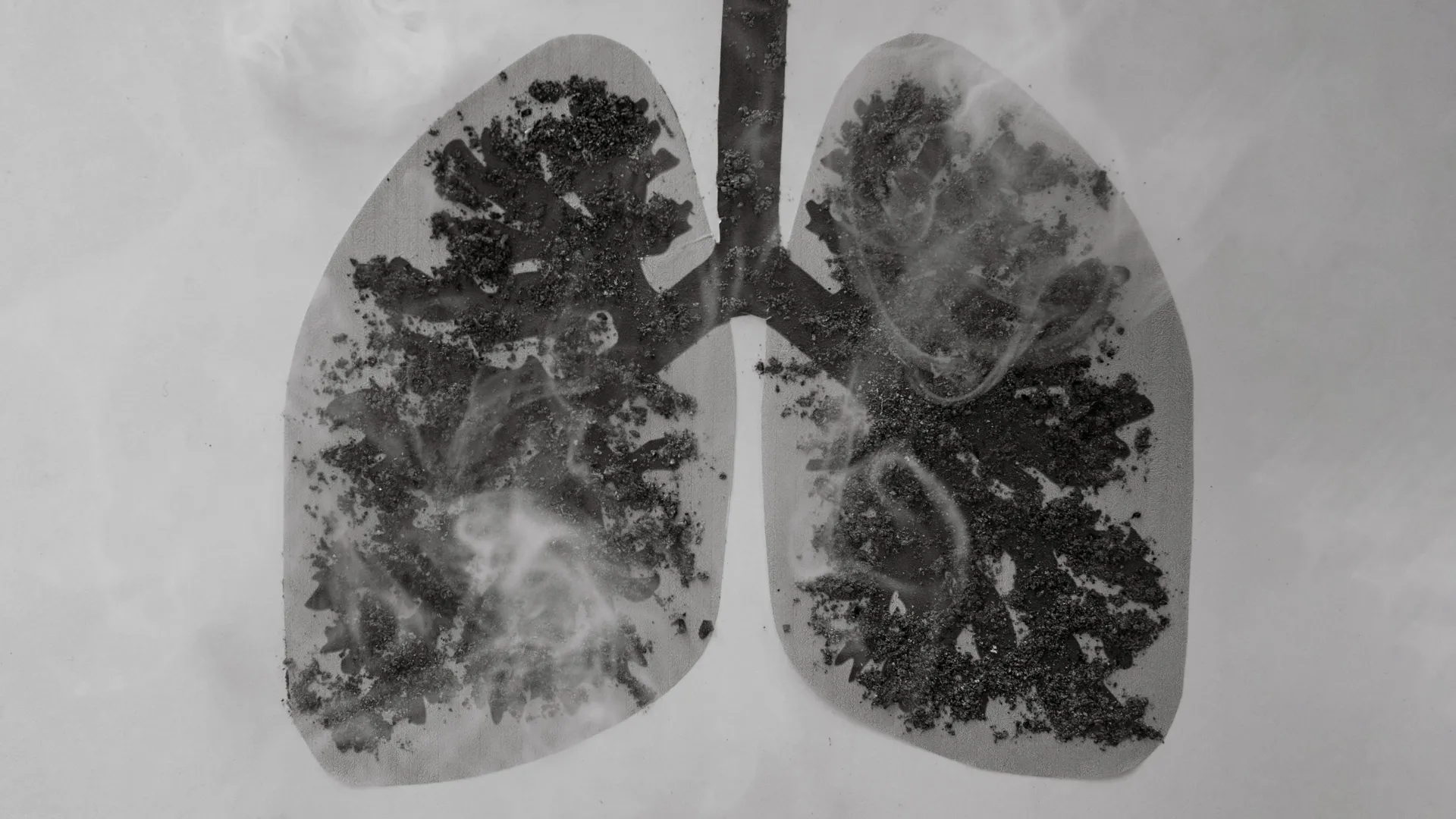
A landmark study published on June 10 in ERJ Open Research has shed new light on the cellular mechanisms driving Chronic Obstructive Pulmonary Disease (COPD), suggesting that the lungs of patients with the condition harbor significantly higher concentrations of soot-like carbon deposits than those of smokers without the disease. This discovery provides a potential link between environmental exposure and the debilitating inflammation characteristic of COPD, fundamentally shifting the understanding of how particulate matter interacts with our immune system.
The Core Findings: A Cellular Imbalance
At the heart of the research are alveolar macrophages—the "clean-up crew" of the lungs. These specialized immune cells are tasked with the critical job of patrolling the air sacs (alveoli) to engulf and neutralize foreign particles, bacteria, and debris.
Led by Dr. James Baker and Dr. Simon Lea of the University of Manchester, the research team discovered that when these macrophages become overwhelmed by carbon—derived from sources such as cigarette smoke, diesel exhaust, and ambient air pollution—they undergo a physical transformation. The cells swell in size and begin to trigger inflammatory responses that, rather than protecting the lungs, contribute to the disease progression.
The study indicates that the average amount of carbon detected in the macrophages of COPD patients was more than three times higher than that found in the macrophages of smokers who did not have the disease. Furthermore, there was a direct, measurable correlation: the higher the carbon load within these cells, the poorer the patient’s lung function, as measured by FEV1% (forced expiratory volume in one second), which tracks the capacity of the lungs to exhale air forcefully.
Chronology of the Investigation
The research project was meticulously structured to ensure a robust comparison between healthy and diseased states.
- Sample Acquisition: Researchers obtained lung tissue samples from 43 individuals undergoing surgical procedures for suspected lung cancer. Crucially, the researchers only utilized tissue that was confirmed to be free of cancer cells.
- Cohort Selection: The study population was divided into two distinct groups: 28 participants with a confirmed diagnosis of COPD and 15 participants who were smokers but had not developed the disease.
- Microscopic Analysis: The team utilized high-resolution microscopy to examine the alveolar macrophages. They meticulously measured the diameter of these cells and quantified the density of visible carbon deposits within them.
- Experimental Validation: To determine causality, the researchers conducted in vitro experiments. They exposed healthy macrophages to carbon particles in a laboratory setting, observing the subsequent physical enlargement of the cells and the surge in inflammatory protein production.
- Data Synthesis and Publication: The findings were compiled and subjected to rigorous peer review before being formally released in ERJ Open Research on June 10.
Supporting Data: The Impact of Particulate Matter
The correlation between carbon accumulation and reduced lung function is perhaps the most striking data point of the study. In patients where the macrophages were heavily laden with carbon, the FEV1% scores were consistently lower. This suggests that the carbon buildup is not merely a byproduct of smoking, but a distinct physiological pathology associated with the severity of COPD.
When researchers exposed macrophages to carbon in the lab, they observed a shift in the cells’ behavior. These cells began secreting higher concentrations of pro-inflammatory cytokines—proteins that act as signaling molecules for inflammation. This confirms that the accumulation of particulate matter directly alters the cells’ functionality, turning a protective mechanism into a source of chronic damage.
Expert Perspectives and Official Responses
Insights from the Research Team
Dr. James Baker highlighted the complexity of the disease, noting that COPD is a multifactorial condition influenced by genetics and environment. "We wanted to study what happens in the lungs of COPD patients when this carbon builds up in alveolar macrophage cells, as this may influence the cells’ ability to protect the lungs," Dr. Baker stated.
Dr. Simon Lea, co-lead of the study, emphasized the distinction between smoking-induced damage and the inherent dysfunction seen in COPD patients. "As we compared cells from COPD patients with cells from smokers, we can see that this build-up of carbon is not a direct result of cigarette smoking," Dr. Lea explained. "Instead, we show alveolar macrophages in COPD patients contain more carbon and are inherently different in terms of their form and function compared to those in smokers."
Dr. Lea proposed two intriguing theories for these findings: either individuals with COPD possess an impaired ability to clear carbon from their lungs, or, conversely, those who have been exposed to higher levels of particulate matter are more susceptible to developing the disease because of the resulting cellular dysfunction.
External Commentary
Professor Fabio Ricciardolo, Chair of the European Respiratory Society’s group on monitoring airway disease at the University of Torino, Italy, provided an independent perspective on the study. While not involved in the research, Professor Ricciardolo lauded the study’s clarity.
"This set of experiments suggests that people with COPD accumulate unusually large amounts of carbon in the cells of their lungs," Professor Ricciardolo noted. "This build-up seems to be altering those cells, potentially causing inflammation in the lungs and leading to worse lung function."
He added a broader public health warning: "In addition, this research offers some clues about why polluted air might cause or worsen COPD. However, we know that smoking and air pollution are risk factors for COPD and other lung conditions, so we need to reduce levels of pollution in the air we breathe and we need to help people to quit smoking."
Implications for Future Research and Policy
The implications of this study are profound, reaching into both clinical practice and public health policy.
Rethinking COPD Treatment
Currently, treatments for COPD focus largely on bronchodilation and anti-inflammatory steroids. If the carbon accumulation in macrophages is a primary driver of the inflammatory response, future therapies might shift toward enhancing the clearance mechanisms of the lungs or developing pharmacological agents that prevent the "swelling" of these macrophages upon contact with carbon.
The Air Pollution Nexus
The study underscores the lethal intersection of environmental health and respiratory disease. With urbanization and industrialization increasing the prevalence of diesel exhaust and fine particulate matter (PM2.5), the findings serve as a reminder that COPD is not just a "smoker’s disease." Air quality policy is, by extension, lung health policy. If carbon particles are demonstrably changing the biology of our immune cells, then the regulatory standards for air quality may need to be tightened to protect vulnerable populations.
Longitudinal Studies
The research team has identified a clear path forward. Future studies must look at how carbon accumulation evolves over the lifespan of a patient. Is there a "point of no return" where the macrophages become permanently dysfunctional? Can the removal of an individual from a polluted environment reverse this cellular damage?
"In future, it would be interesting to study how this carbon builds up and how lung cells respond over a longer period of time," Dr. Lea noted.
Conclusion
The University of Manchester study provides a critical piece of the puzzle in understanding why some smokers develop COPD while others do not, and why the disease continues to progress even after smoking cessation. By identifying the macrophage as a site of failure, researchers have moved beyond generalized observations of "lung damage" to specific, molecular insights.
As the scientific community continues to digest these results, the message to policymakers and the public remains clear: the air we breathe has a direct, physical impact on the cellular architecture of our lungs. Whether through strict adherence to smoking cessation programs or the aggressive implementation of clean-air initiatives, the reduction of carbon intake is an essential strategy in mitigating the global burden of COPD.
The study published in ERJ Open Research serves as a stark reminder that our internal biological systems are under constant siege from the external environment—and in the case of COPD, that siege is leaving a lasting, carbon-filled mark.