









For millions of people worldwide, the nightly ritual of sleep is not a source of rest, but a battlefield. Chronic insomnia, characterized by persistent difficulty falling or staying asleep, has long been treated primarily through cognitive behavioral therapy (CBT-I) and pharmacological interventions like benzodiazepines or sedative-hypnotics. However, these traditional methods often come with limitations, including dependency risks, side effects, and inconsistent long-term efficacy.
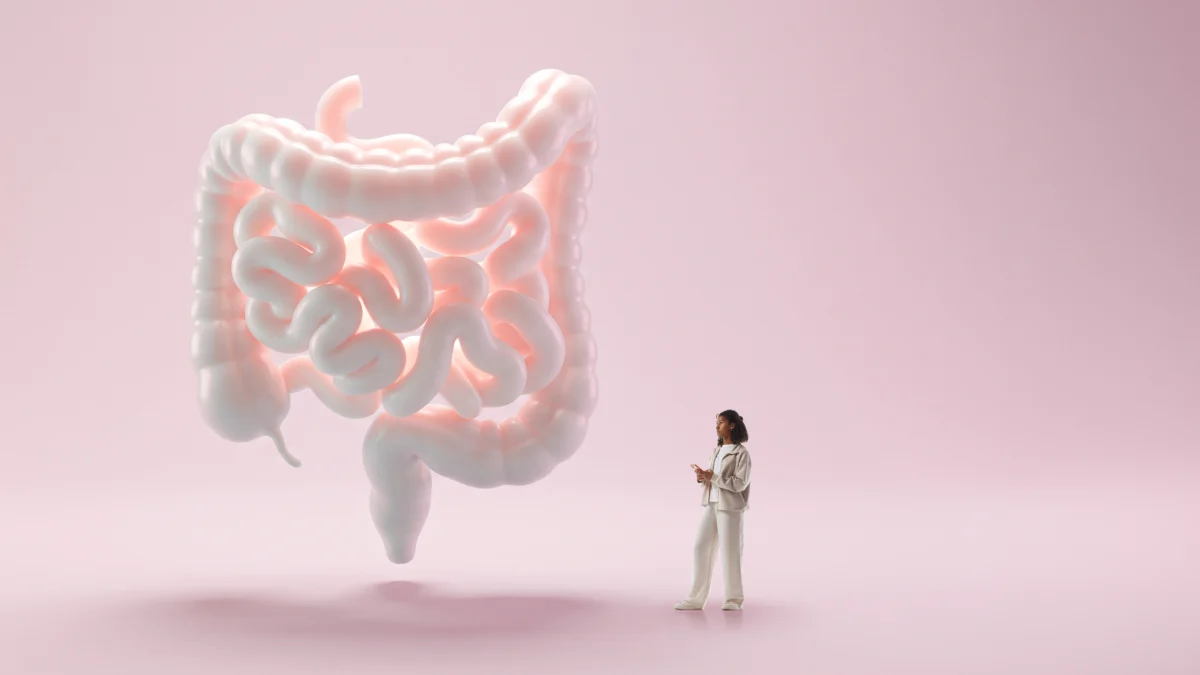
A groundbreaking new study published in the Journal of Internal Medicine suggests a radical shift in perspective: the key to a better night’s sleep may not be in the brain, but in the gut. Researchers have demonstrated that a targeted microbiome intervention—utilizing fecal microbiota transplantation (FMT) delivered via capsules—can significantly improve sleep efficiency and subjective sleep quality, offering a potential paradigm shift in how we treat sleep disorders.
Main Facts: A New Frontier in Sleep Medicine
The randomized, double-blind, placebo-controlled trial marks a significant milestone in the study of the "gut-brain axis." The core of the study involved 80 adults suffering from chronic insomnia, split into two groups. One group received a specialized protocol involving a short course of antibiotics—designed to clear the existing gut environment—followed by oral capsules containing fecal microbiota sourced from healthy donors. The control group received a placebo protocol without the microbial intervention.
The results were striking. One month post-treatment, objective data collected via overnight polysomnography revealed that the intervention group experienced significantly higher sleep efficiency and a reduction in "wake after sleep onset" (WASO). The treatment protocol yielded an adjusted between-group difference of 13.9 percentage points in sleep efficiency compared to the placebo group. Beyond the hard data, participants reported consistent improvements in their own perceived sleep quality, with benefits sustained for up to six months after the treatment concluded.
Chronology: How the Study Unfolded
The research, conducted as a multicenter trial, followed a rigorous clinical structure to ensure the integrity of the findings. The progression of the study can be mapped as follows:
- Phase 1: Recruitment and Baseline Analysis: 80 participants with confirmed chronic insomnia were screened. Baseline assessments were conducted using the Insomnia Severity Index (ISI) and the Pittsburgh Sleep Quality Index (PSQI). Researchers also performed stool analysis to determine the initial microbial composition of each participant.
- Phase 2: The Intervention Protocol: Participants were randomly assigned. The treatment arm underwent a brief antibiotic pretreatment to reduce the native gut microbial load, followed by the administration of donor microbiota capsules. The control arm received placebo capsules.
- Phase 3: Immediate Monitoring (One Month): One month after the conclusion of the treatment, the research team utilized overnight polysomnography to track sleep architecture. This was the primary endpoint for determining objective sleep efficiency.
- Phase 4: Longitudinal Follow-up (Two to Six Months): Researchers continued to track patient-reported outcomes. By utilizing the ISI and PSQI, the team observed that the initial improvements in sleep quality were not transient, but held steady for at least half a year following the intervention.
- Phase 5: Microbiome Analysis: Post-treatment stool samples were analyzed to assess changes in microbial richness, diversity, and community structure, confirming that the intervention successfully altered the gut environment.
Supporting Data: Understanding the Mechanism
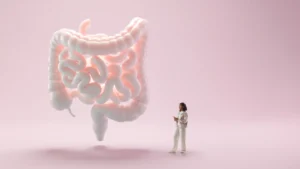
The success of this study hinges on the complex communication network known as the gut-brain axis. The gastrointestinal tract is home to trillions of microorganisms, which play a critical role in the production of neurotransmitters like serotonin and gamma-aminobutyric acid (GABA)—the latter being a primary inhibitory neurotransmitter essential for initiating sleep.
In the study, the intervention resulted in a measurable increase in microbial richness and diversity. By re-populating the gut with a "healthy" ecosystem, researchers hypothesize that the intervention helped restore the production of these neuroactive metabolites, which in turn signaled the brain to regulate sleep-wake cycles more effectively.
The data also revealed an intriguing element: the "heterogeneity of treatment response." The study authors noted that a participant’s baseline microbial composition heavily influenced how well they responded to the transplant. This suggests that future applications of this therapy may require a personalized medicine approach, where donor microbiomes are matched or tailored to the specific microbial deficits of the patient.
Official Responses: Insights from the Scientific Community
The study has garnered significant attention from sleep specialists and gastroenterologists alike. Yanping Bao, PhD, of Peking University in Beijing, one of the co-corresponding authors, emphasized the implications of the findings in a press release:
"Our findings provide clinical evidence that targeting the gut microbiota may offer a promising new therapeutic strategy for chronic insomnia disorder," said Dr. Bao. "This work also strengthens our understanding of the gut-brain axis as an important regulator of human sleep."
The scientific community has lauded the study for its "clean" methodology. By using a double-blind, placebo-controlled design, the researchers effectively mitigated the risk of a placebo effect, which is notoriously high in sleep studies. Furthermore, the safety profile of the treatment was a major highlight. With no serious adverse events reported and only mild, self-limiting side effects, the study provides a compelling argument for the safety of oral fecal microbiota capsules compared to the potential long-term side effects of pharmaceutical sedatives.
Implications: The Future of Insomnia Treatment
The implications of this study are profound. If these results can be replicated in larger, phase-III clinical trials, the medical community may soon have a non-pharmacological, biological tool to treat chronic insomnia.
1. Moving Away from Sedatives
Current insomnia medications are often criticized for their "blunt" approach, effectively knocking the brain out rather than restoring the natural sleep-wake cycle. By addressing the gut, clinicians may be able to treat the cause of the sleep dysfunction rather than just masking the symptom of wakefulness.
2. Personalized Medicine
The observation that baseline microbiome composition affects treatment success is a gateway to precision medicine. We are moving toward a future where a patient might have their "microbial fingerprint" sequenced to determine if they are a candidate for FMT or if a specific probiotic regimen would be more effective.
3. A Broader View of Health
This study reinforces the holistic view that the gut is the "second brain." Chronic insomnia is often comorbid with depression, anxiety, and metabolic disorders. By improving gut health, it is possible that we may see "spillover" benefits in these other areas, effectively treating systemic health issues by targeting the microbiome.
4. Challenges Ahead
Despite the optimism, the road to clinical practice is complex. Standardizing the "donor material" for fecal microbiota transplantation remains a regulatory and logistical hurdle. Furthermore, understanding the long-term stability of the transplanted microbiome beyond six months will be essential for validating this as a sustainable treatment.
Conclusion
The recent study in the Journal of Internal Medicine is more than just a successful trial; it is a signal that our understanding of human health is undergoing a fundamental shift. For the millions of adults currently struggling with the debilitating effects of chronic insomnia, this gut-targeted protocol represents a glimmer of hope. By looking inward—specifically at the trillions of microbes residing within our digestive systems—we may finally unlock the secrets to a restful night’s sleep. As research continues to unravel the complexities of the gut-brain axis, we move closer to a time when insomnia is no longer a life-long burden, but a treatable condition managed through the science of the microbiome.