










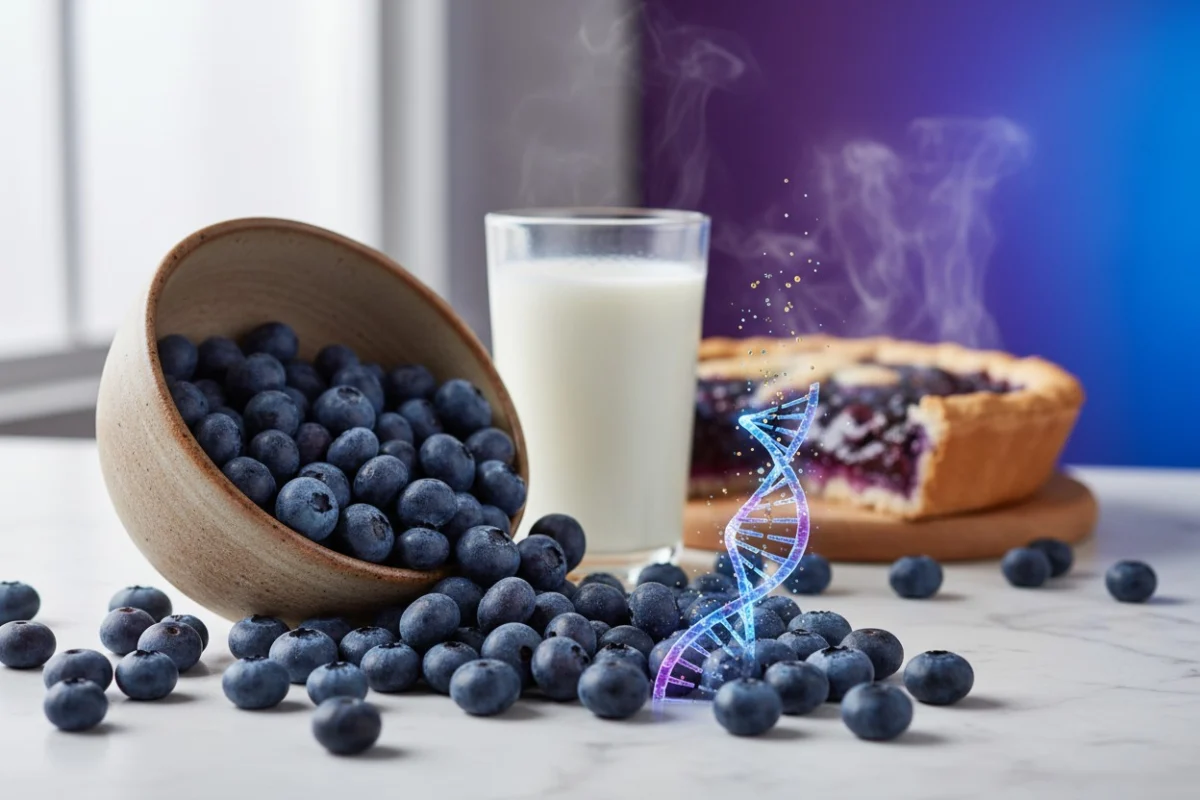
Blueberries have long held a "superfood" status in the public imagination, often marketed as a panacea for everything from cognitive decline to cardiovascular disease. However, new research highlights a critical nuance: the nutritional bounty of these deep-blue berries is not guaranteed by intake alone. A recent report suggests that the actual health benefits derived from a serving of blueberries depend heavily on how they are stored, how they are prepared, and—perhaps most surprisingly—the specific composition of the consumer’s own gut microbiome.
While anthocyanins, the pigments responsible for the fruit’s signature color, are at the heart of these health claims, the journey from bowl to bloodstream is fraught with chemical hurdles. Understanding these variables is essential for anyone looking to maximize the dietary return on their investment in this nutrient-dense fruit.
The Anthocyanin Mechanism: A Bioavailability Challenge
The primary health-promoting compounds in blueberries are polyphenols, specifically anthocyanins. These potent antioxidants account for up to 80% of the fruit’s total polyphenol content. According to clinical data, fresh blueberries typically pack between 90 and 820 milligrams of anthocyanins per 100 grams—a staggering concentration when compared to red table grapes, which contain only 8 to 15 milligrams per 100 grams.
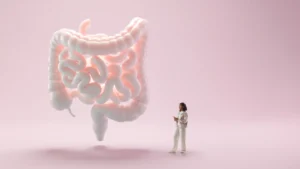
Despite these high initial levels, the bioavailability of anthocyanins is notoriously low. Research indicates that less than 5% of these compounds are absorbed in their intact form within the upper digestive tract. The majority of the fruit’s nutritional payload travels further down into the colon. In this environment, the individual’s unique gut microbiome takes center stage.
"Your microbiome partly determines how much you get out of the same serving as the person sitting next to you," notes author Rachel Ann T. Melegrito. Registered dietitian nutritionist Kara Seidman emphasizes that because gut flora is highly individualized, the metabolic "yield" of a cup of blueberries is not a universal constant. The bacteria in the colon must break down complex anthocyanins into smaller phenolic metabolites before they can cross the intestinal lining and enter the systemic circulation, where they begin to exert their cardiovascular and metabolic benefits.
Chronology of Research: From Population Studies to Cellular Mechanisms
The scientific understanding of blueberries has evolved through three distinct phases over the last two decades.
1. The Observational Phase (2000s–2015)
Initial interest was sparked by large-scale population studies. Researchers began noticing that individuals who regularly consumed anthocyanin-rich foods exhibited lower risks of cardiovascular disease. These longitudinal studies, aggregating data from over 602,000 individuals across the United States, Europe, and Australia, established a strong correlation between flavonoid intake and long-term health markers, though they could not initially explain the precise mechanism of action.
2. The Clinical Intervention Phase (2016–2023)
As methodologies improved, researchers moved from observational data to randomized controlled trials. These trials confirmed that blueberry consumption could objectively improve blood vessel dilation and lower diastolic blood pressure. A 2024 meta-analysis of 11 such trials solidified the link between blueberry intake and improved metabolic health, including reduced insulin resistance—a key factor in the prevention of Type 2 diabetes.
3. The Molecular and Genetic Frontier (2024–Present)
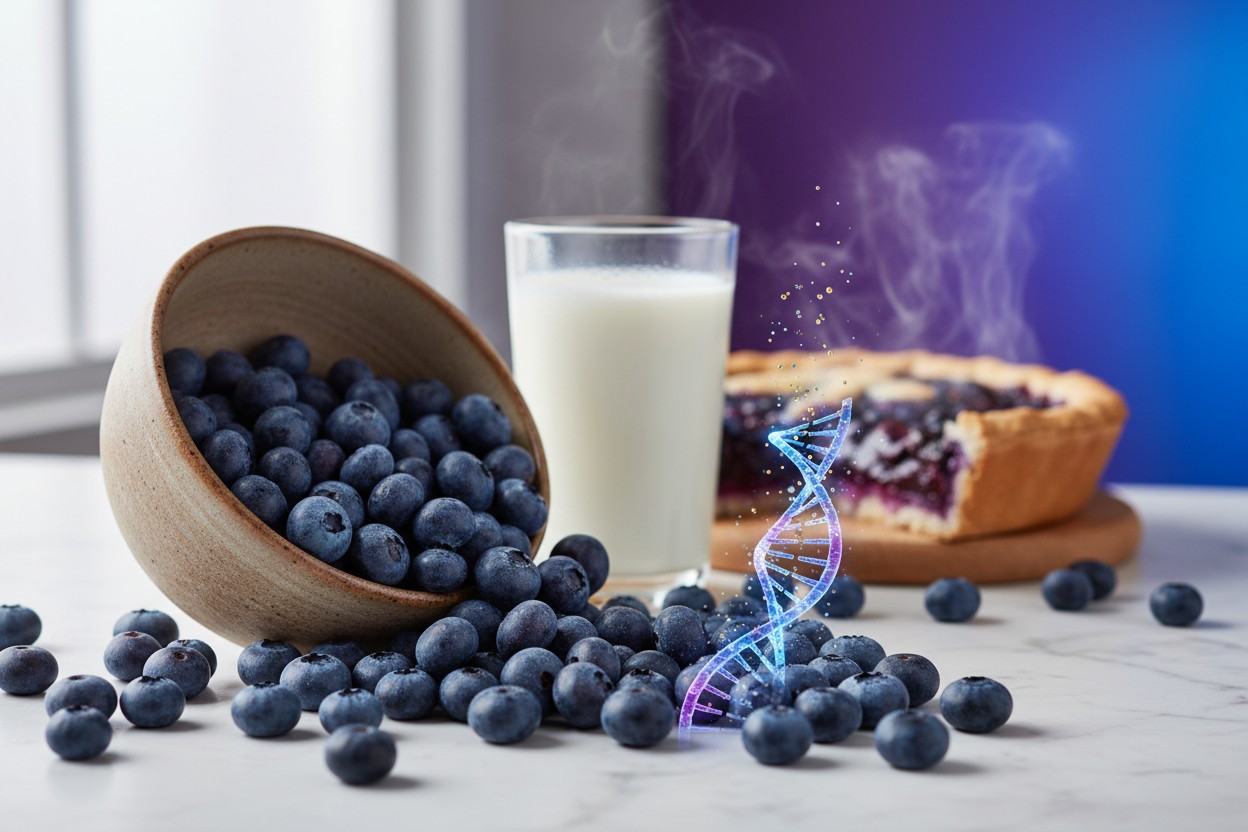
We are currently in a phase of "hypothesis-generating" research. Scholars like Joseph Arballo of the North Carolina State University Plants for Human Health Institute are investigating how blueberry compounds influence DNA methylation—the process by which genes are turned "on" or "off." Preliminary findings suggest that these compounds may actively interact with genes linked to brain signaling and metabolism, potentially offering a biological explanation for the fruit’s touted cognitive benefits.
The Impact of Postharvest Handling and Preparation
The nutritional stability of blueberries is highly sensitive to external conditions. The "fresh is always best" mantra is often an oversimplification, as the method of preservation dictates the retention of vital nutrients.
Storage Dynamics
Postharvest handling significantly impacts anthocyanin stability. One notable study found that frozen blueberries retained their full anthocyanin profile over a three-month period, whereas cabinet-dried berries saw their levels plummet by 41%. This suggests that for many consumers, frozen berries—often flash-frozen at the peak of ripeness—may actually be a more stable nutritional source than "fresh" berries that have spent days in transit or on supermarket shelves.
The Thermal Paradox
Cooking and blending present a double-edged sword. On one hand, breaking down the berry’s rigid cell walls makes it easier for the body to access trapped nutrients. On the other hand, the application of heat and the introduction of oxygen during blending can degrade delicate antioxidants.
Registered dietitian Kara Seidman offers a pragmatic approach to preservation:
- Refrigeration: Keep berries unwashed. Moisture is the enemy of freshness, as it accelerates mold growth.
- Rinsing: Wash only the portion you intend to eat immediately.
- Cooking: While baking may diminish the total anthocyanin count, the fiber and other heat-stable plant compounds remain intact. "Do not let the loss of a percentage of anthocyanins deter you from incorporating berries into healthy baked goods," Seidman suggests.
Food Pairings: The Hidden Variables
The context in which blueberries are consumed can significantly alter their biological impact. Recent experiments have revealed that the "matrix" of the meal matters as much as the berry itself.
The Dairy Dilemma
A recurring question in nutritional science is whether dairy interferes with antioxidant absorption. Small-scale trials have shown that when blueberries are consumed alongside milk, the measured antioxidant boost in the blood is lower than when consumed with water. It is hypothesized that milk proteins and fats may bind to the polyphenols, "trapping" them and preventing them from reaching the bloodstream. However, Seidman remains optimistic: "Your body will still absorb the healthy parts well. Dairy will not ruin the core health value of blueberries."
The Iron Interaction
A critical finding from a 2025 study suggests that blueberries should not be paired with iron-rich meals or supplements. Because anthocyanins are adept at binding to minerals, they can chelate (trap) non-heme iron in the digestive tract, effectively reducing its absorption. For individuals managing iron deficiency, it is recommended to separate a large serving of blueberries from iron supplements by at least two hours.
Clinical Implications and Expert Recommendations
Despite the variables of storage and pairing, the consensus among experts remains clear: consistency is the most important factor. The health effects associated with blueberries, such as improved vascular function and metabolic health, are cumulative.
For those looking to optimize their intake, the current expert recommendations are:
- Prioritize Regularity: The health benefits are captured through long-term, steady consumption rather than occasional "super-doses."
- Mind the Form: For individuals managing blood sugar levels, whole or unsweetened frozen berries are superior to juices or sweetened preparations, which strip away the fiber that moderates glucose absorption.
- Strategic Timing: Separate large berry servings from iron-heavy meals to avoid inhibitory interactions.
- Embrace Convenience: Do not feel pressured to eat exclusively raw berries. Whether they are folded into a smoothie, tossed into oatmeal, or eaten out of the hand, the benefits of the plant compounds persist through digestion.
While cognitive research remains mixed—with some studies showing increased blood flow to the brain and others showing no significant performance improvement—the cardiovascular and metabolic data are robust. As we continue to refine our understanding of how our gut bacteria interact with the food we eat, one thing remains certain: the blueberry is a complex, chemically rich food whose value is determined not just by the fruit itself, but by the thoughtful habits of the consumer.
References
(The following represent the synthesis of current literature cited in the report)
- Global Longitudinal Data on Flavonoid Consumption and Health Outcomes (Aggregate of 602,000 subjects).
- Clinical Trials on Polyphenol Bioavailability and the Human Microbiome.
- Studies on Anthocyanin Stability in Frozen vs. Dried Fruit Matrices.
- Analysis of Thermal Degradation of Antioxidants in Plant Tissues.
- Interactions between Dietary Polyphenols and Mineral Uptake (Iron Absorption Studies, 2025).
- Meta-analysis of Cardiovascular Markers and Blueberry Intake (2024).