









In a breakthrough that could reshape our understanding of how diet influences oncology, researchers from Trinity College Dublin and University College Dublin (UCD) have uncovered a promising link between a common dietary supplement and the body’s ability to fight cancer. By leveraging a yeast-based compound known as beta-glucan, the team successfully "retrained" the immune systems of obese mice, enabling them to mount a more robust defense against tumor growth.
This study, published in the prestigious journal Cell Reports, suggests that the path to better cancer outcomes may not always require invasive new drugs, but rather a strategic nutritional intervention that programs the body’s immune system at the source: the bone marrow.
The Core Discovery: Reprogramming the Body’s Defenders
At the heart of the research is the concept of "trained immunity." Traditionally, it was believed that only the adaptive immune system—the part of the body that learns to recognize specific pathogens—possessed a "memory." However, recent scientific consensus has shifted to include the innate immune system, which serves as the body’s first line of defense.
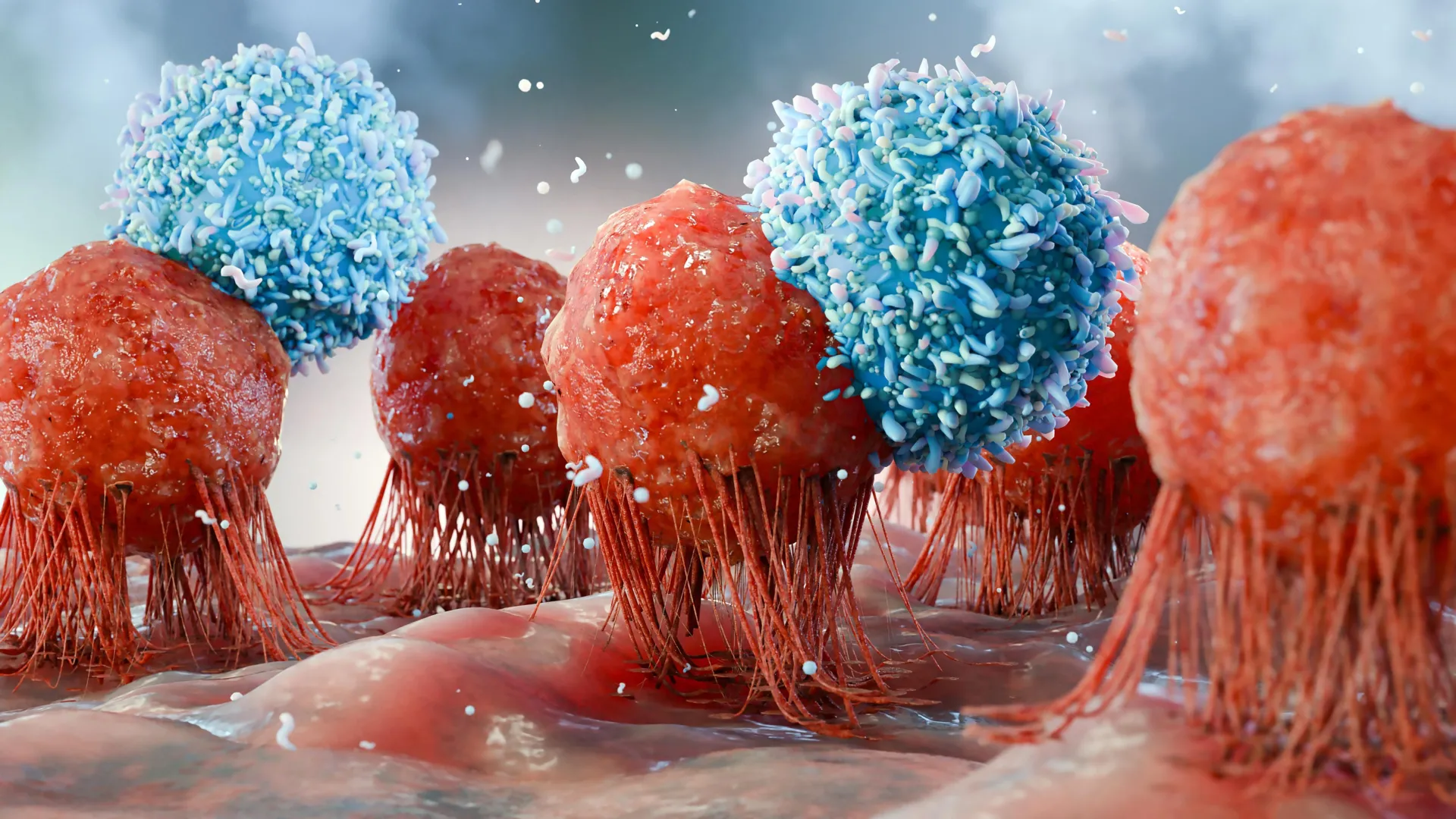
The researchers, led by Frederick Sheedy, Associate Professor in Immunology at Trinity’s School of Biochemistry and Immunology, and Helen Roche, Professor in Nutrigenomics at UCD, hypothesized that this innate immunity could be "trained" to be more aggressive against cancer cells. By introducing yeast beta-glucan into the diets of laboratory mice, the team observed a fundamental shift in how immune stem cells developed in the bone marrow. These reprogrammed cells were not only more resilient but were also better equipped to identify and destroy malignant cells in colorectal, skin, and breast cancer models.
Chronology of the Research: From Laboratory Concept to Clinical Potential
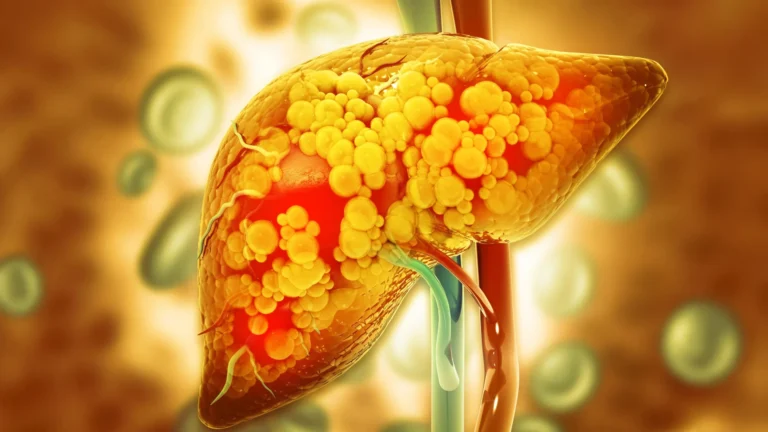
The journey of this research began with a pressing clinical question: why does obesity so significantly dampen the human immune response? It is well-documented that obesity creates a state of chronic, low-grade inflammation that exhausts immune cells, rendering them less effective at patrolling the body for cancerous growths.
Phase 1: Dietary Intervention
The research team initiated a longitudinal study where mice were placed on either a standard diet or a high-fat, obesity-inducing diet. Both groups were supplemented with yeast beta-glucan over a period of 4 to 12 weeks. The goal was to see if the supplement could prevent the immune dysfunction typically associated with high-fat intake.
Phase 2: Challenging the Immune System
Once the dietary protocol was established, the researchers introduced cancer cells into the subjects. The results were striking: the mice receiving the yeast-based supplement displayed a heightened ability to contain tumor growth compared to the control groups.
Phase 3: The Weight Loss Test
A critical component of the study addressed a major clinical hurdle: the "immune scar." Even after individuals lose weight, their immune systems often remain compromised, retaining a "memory" of the obesity-induced dysfunction. The UCD and Trinity team discovered that the yeast beta-glucan supplement was capable of reversing these persistent defects, effectively resetting the immune system to a healthier, more alert state.
Supporting Data: Why Bone Marrow Matters
The significance of the study lies in its mechanism of action. Previous attempts to induce trained immunity often relied on injections, which are invasive, costly, and difficult to scale for mass clinical use.
Dr. Anna Ledwith, a postdoctoral researcher in Prof. Roche’s group and the lead author of the paper, emphasized that the dietary route is a game-changer. "We wanted to investigate whether a common dietary supplement could reprogram early-stage immune cells in the bone marrow," Dr. Ledwith explained. By achieving this through oral ingestion, the team has proven that the digestive tract can serve as a conduit for systemic immune reprogramming.
Data from the study indicated that the beta-glucan did not just temporarily stimulate the immune system; it fundamentally altered the epigenetic landscape of bone marrow stem cells. This ensures that the newly produced immune cells are "born" with an enhanced capacity for anti-tumor activity.
Official Responses and Expert Commentary
The leadership team behind the project views this as a vital step forward in bridging the gap between nutrition and oncology.
"This is the first demonstration that dietary delivery of yeast beta-glucan is sufficient to induce trained immunity through reprogramming of bone marrow stem cells," said Professor Helen Roche, who also serves as the Director of the UCD Conway Institute. She highlighted that the ability to reverse long-term immune memory defects is a "major unmet clinical challenge" that this research may finally be able to address.
Professor Frederick Sheedy added a note on the practical application of these findings: "The yeast beta-glucan used in our research, Wellmune, is already food-grade and commercially available. This is crucial because it facilitates the potential for rapid clinical trials. We aren’t looking at a molecule that requires decades of safety testing; we are looking at something that is already part of the nutritional landscape."
The Implications: A New Era for Immunocompromised Populations
The broader implications of this research extend far beyond the treatment of cancer in obese populations.
1. Complementary Cancer Therapy
The researchers envision this supplement not as a standalone "cure," but as a powerful adjunct to existing treatments. By boosting the innate immune system, yeast beta-glucan could potentially enhance the efficacy of immunotherapy and chemotherapy, helping the body "mop up" lingering cancer cells that traditional treatments might miss.
2. Addressing Chronic Infections
Beyond oncology, the findings suggest benefits for populations struggling with chronic infections. An immune system that is "trained" to be hyper-vigilant may offer better protection against viral and bacterial threats, particularly in patients whose immune systems have been weakened by age, chronic stress, or metabolic syndrome.
3. Overcoming the "Obesity Paradox"
Obesity is a global pandemic, and its association with increased cancer risk is a massive burden on healthcare systems. The fact that the negative immune effects of obesity persist even after weight loss has been a frustrating reality for clinicians. If a simple, safe dietary supplement can reverse this damage, it could transform post-weight-loss care for millions of patients.
The Path Forward: Moving to Human Trials
While the mouse models have provided a compelling "proof of concept," the scientific community remains cautious, noting that the biological complexity of humans often presents challenges not seen in laboratory rodents. However, the existing safety profile of yeast beta-glucan provides a "fast-track" advantage.
The research team is already looking toward the next phase: human clinical trials. These studies will need to determine the optimal dosage, the duration of supplementation required to achieve "trained immunity," and whether the protective effects observed in mice translate to the diverse genetic backgrounds of human patients.
As we look to the future, the integration of nutrition into cancer care—a field sometimes called "nutrigenomics"—is gaining significant momentum. By understanding how specific compounds interact with our DNA and our immune stem cells, scientists are moving closer to a future where diet is considered a foundational pillar of cancer prevention and treatment, rather than an afterthought.
The Trinity and UCD study serves as a potent reminder that our internal defenses are not static. With the right nutritional inputs, we may be able to retrain our biology to be a more formidable opponent against the diseases that threaten us, offering a beacon of hope for a more personalized, accessible, and effective approach to global health.
As the researchers conclude, the simplicity of this intervention is its greatest strength. In an era of high-cost, high-complexity medicine, a simple yeast-derived supplement might just be the most effective tool in the arsenal.