








In the landscape of public health, 2022 served as a watershed moment. For the first time since the landmark 1969 conference, the United States government convened a White House Conference on Hunger, Nutrition, and Health. This high-level gathering was not merely a ceremonial event; it was a desperate, long-overdue acknowledgment that the American food system is in crisis. With diet-related diseases—such as type 2 diabetes, obesity, and hypertension—skyrocketing and food insecurity affecting millions, the stakes for the next decade could not be higher.
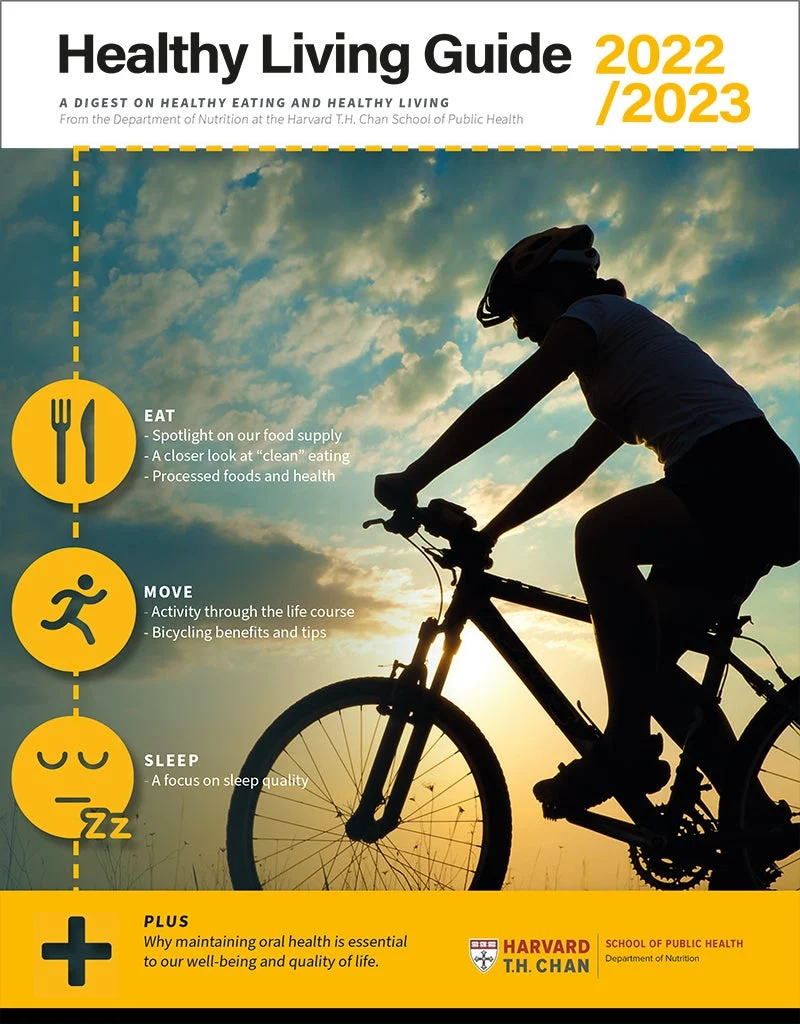
As we move further into the post-conference era, experts from the Harvard T.H. Chan School of Public Health have distilled these complex national developments into a comprehensive Healthy Living Guide. This guide serves as a practical roadmap for individuals, even as the broader policy landscape remains under intense scrutiny.
The Main Facts: A National Strategy for 2030
The core objective of the 2022 White House strategy is ambitious: to end hunger and increase healthy eating and physical activity by 2030. To achieve this, the administration has proposed a multi-pronged approach that bridges the gap between clinical medicine and community nutrition.
Key components of the federal roadmap include:
- Expansion of Nutrition Assistance: Enhancing access to programs like SNAP (Supplemental Nutrition Assistance Program) to ensure that economic status does not dictate nutritional quality.
- Medically Tailored Meals: A move to incorporate medically tailored meals into Medicare coverage, acknowledging that for patients with chronic conditions, food is quite literally medicine.
- Systemic Food Reform: A commitment to improving the nutritional quality of the food environment in schools and federal institutions.
However, as the Harvard Department of Nutrition experts—including Drs. Frank Hu, Walter Willett, and Lilian Cheung—have pointed out, the plan is a foundation, not a complete structure. The strategy represents a significant step forward, yet it leaves critical gaps that must be addressed if the United States is to truly combat the dual threats of malnutrition and metabolic disease.
A Chronology of Policy: From 1969 to 2022
To understand the weight of the 2022 conference, one must look at the historical context.
- 1969: The first White House Conference on Food, Nutrition, and Health occurred during the Nixon administration. It led to the creation of landmark programs, including the expansion of food stamps and the establishment of the WIC (Women, Infants, and Children) program.
- 1970s–2010s: For decades, the focus of federal nutrition policy was largely centered on calorie intake and basic food security. During this period, the ultra-processed food industry expanded, contributing to the "nutrition transition" that saw the rise of cheap, calorically dense, and nutrient-poor foods.
- September 2022: The Biden-Harris administration convened the second White House Conference. The goal was to update the 1969 framework to address 21st-century realities: climate change, the digital marketing of unhealthy foods to children, and the persistence of systemic health inequities.
- 2023 and Beyond: The focus has shifted from policy creation to implementation and oversight. The Harvard Healthy Living Guide acts as a bridge during this transition, empowering individuals to take control of their health while lobbying for the systemic changes that remain unfinished.
Supporting Data: The Urgent Case for Reform
The impetus for the White House conference was rooted in sobering data. The American health trajectory is currently unsustainable. According to the Centers for Disease Control and Prevention (CDC) and recent academic research:
- The Economic Burden: Diet-related diseases cost the U.S. healthcare system hundreds of billions of dollars annually. When the human cost—lost productivity, reduced quality of life, and premature mortality—is factored in, the price is even steeper.
- The Food Environment: Research consistently shows that individuals living in "food deserts" or "food swamps" (areas dominated by fast food and convenience stores) have significantly higher rates of chronic disease. Access is not just about physical distance; it is about affordability and the marketing influence of processed food conglomerates.
- Climate and Nutrition: The 2022 conference highlighted the intersection of planetary and human health. Our current food production systems are major contributors to greenhouse gas emissions, and conversely, climate change is threatening the nutritional density and availability of crops.
Official Responses and Expert Critique
While the administration’s strategy has been praised for its boldness in prioritizing medically tailored meals, the response from the scientific community has been nuanced.
Drs. Frank Hu, Walter Willett, and Lilian Cheung issued a collective statement following the conference, praising the initiative but noting significant omissions. They emphasized that the strategy lacks robust measures to:
- Protect Children: The marketing of sugary cereals and ultra-processed snacks to children remains largely unregulated, despite overwhelming evidence of its impact on childhood obesity.
- Transform the Food System: The experts argued that the government must move beyond incremental changes to address the underlying economic incentives that make unhealthy food cheaper than fresh produce.
"To have a significant impact," the trio wrote, "the administration must bring together the public and private sectors, along with philanthropists, academia, and individuals to develop truly sustainable food systems that support both public and planetary health."
The Harvard experts advocate for a "whole-of-society" approach. They argue that policy cannot rely solely on the government; it requires a paradigm shift in how corporations produce food and how the healthcare system incentivizes healthy choices.
Implications: The Road to 2030
What does this mean for the average citizen? The policy shifts at the federal level will take time to manifest in local grocery stores and school cafeterias. In the interim, the Harvard Healthy Living Guide provides a practical framework for navigating the current, often suboptimal, food environment.
1. Small Changes, Big Impact
The guide emphasizes that healthy living is not about perfection. It is about consistency. Incorporating whole grains, reducing the intake of sugar-sweetened beverages, and increasing physical activity are foundational steps. No change is too small when sustained over a lifetime.
2. The Power of Advocacy
The implications of the 2022 conference extend beyond individual health. They serve as a call to action for civic engagement. By supporting policies that subsidize fresh produce and regulate the marketing of unhealthy foods, individuals can influence the systemic change that experts demand.
3. Planetary Health
The guide highlights a growing consensus: what is good for the planet is often good for the individual. Plant-forward diets, which minimize environmental degradation, are also linked to lower rates of cardiovascular disease and metabolic dysfunction.
Conclusion: A Living Document for a Healthier Future
As we look toward the 2030 goals, the Healthy Living Guide serves as both an educational resource and a symbol of the work that remains. The government has set the stage, but the performance—the actual improvement of the nation’s health—depends on the intersection of individual agency and systemic policy reform.
We are currently in a period of transition. The 2022 White House Conference provided the vocabulary and the ambition, but the coming years will require rigorous oversight to ensure these promises become reality. Until then, resources like the Harvard guide remain essential for those looking to optimize their health in an era of nutritional complexity.
We encourage all readers to download the printable guide, utilize the provided tip sheets, and engage with the scientific literature to stay informed. As the experts suggest, the path to a healthier nation is a collective journey, one that requires us to be as mindful of our food systems as we are of the food on our plates.
Accessing Further Resources
For those interested in testing their knowledge and diving deeper into the science, the archives of the Healthy Living Guide offer a wealth of information. By revisiting the successes and failures of previous years, we can better understand the trajectory of public health and our role in shaping it for the better.
- Download the full 2022-2023 Healthy Living Guide [PDF]
- Review the 2021-2022 Edition for historical context.
As we continue to navigate the challenges of the 21st century, let us remember that every meal is an opportunity—a chance to support our own vitality and the health of the planet we share. The goal of 2030 is achievable, but only if we remain committed to the evidence, the policy, and the small, daily choices that define our lives.