









As the global population ages and the modern workplace continues to evolve, the complexities of caregiving have moved from a private, domestic concern to a central pillar of public health and corporate policy. Sherri Snelling, host of the acclaimed podcast Caregiving Club On Air, has been at the forefront of this shift, facilitating crucial dialogues that bridge the gap between professional expertise and personal experience.
In recent installments of the show’s sixth season, Snelling has convened a series of expert interviews that address the most pressing challenges facing family caregivers today: integrating caregiving support into corporate wellness, navigating the labyrinthine world of long-term care, and maintaining emotional well-being amidst the demands of care.
The Evolution of Caregiving Support
The modern caregiver is often defined by the "sandwich generation" phenomenon—individuals caught between the responsibilities of raising children and providing care for aging parents, all while maintaining a full-time career. According to recent data from the AARP and the National Alliance for Caregiving, more than 48 million Americans provide unpaid care for a family member. This demographic shift has created a silent crisis in the workforce, where burnout and financial strain are becoming increasingly prevalent.
Caregiving Club On Air has become a vital repository for those seeking to navigate these challenges. By inviting industry leaders and authors to discuss the nuances of their fields, the podcast provides a roadmap for those who feel adrift in the complexities of the healthcare system.
Chronology of Recent Expert Insights
The recent episodes of Caregiving Club On Air provide a comprehensive look at the ecosystem of care, moving from the workplace to the home and, finally, to the emotional heart of the caregiving experience.
Episode 71: The Importance of Joy (June 12, 2026)
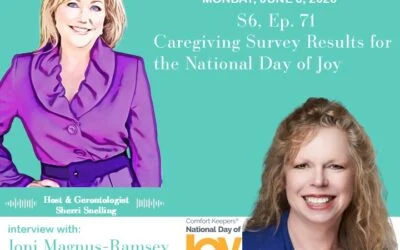
In this episode, Sherri Snelling sat down with Joni Magnus-Ramsey of Comfort Keepers to commemorate the 8th Annual National Day of Joy. The conversation centered on the psychological necessity of finding "small moments" of happiness amidst the heavy lifting of caregiving. Magnus-Ramsey emphasized that caregiving is not merely a logistical task but an emotional journey that requires intentional maintenance of one’s mental health. The episode served as a reminder that burnout is not an inevitable outcome if caregivers are provided with the tools to find respite and joy in their daily routines.
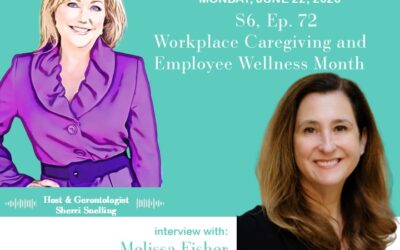
Episode 72: Corporate Caregiving (August 30, 2026)
Shifting the focus to the professional sphere, Snelling interviewed Melissa Fisher of Kaiser Permanente regarding the intersection of caregiving and employee wellness. As companies begin to recognize that "employee wellness" must encompass the family lives of their workers, the role of corporate support programs has become critical. Fisher discussed how large organizations like Kaiser Permanente are integrating caregiving resources into their benefits packages, effectively legitimizing caregiving as a core component of workplace productivity and retention.
Episode 73: The Financial and Structural Roadmap (August 30, 2026)
Rounding out the recent series, Episode 73 featured author Cory Fosco, who penned The Question of When. This discussion moved away from policy and psychology into the tactical reality of long-term care (LTC). Fosco provided a masterclass on how to evaluate the costs, choices, and structural challenges associated with moving a loved one into an assisted living or long-term care community. For many families, this is the most daunting aspect of the journey, and Fosco’s insights offered a much-needed framework for decision-making.
Supporting Data: The Economic Impact of Caregiving
The urgency of these discussions is backed by significant economic data. A study by the Harvard Business School found that employees who take on caregiving responsibilities often face a "caregiving penalty," which can include reduced hours, missed promotions, or complete exit from the workforce.
- Workplace Impact: Over 60% of caregivers report that their caregiving duties have impacted their productivity or ability to work, leading to an estimated $17 billion in lost productivity for U.S. employers annually.
- The Cost of Care: According to Genworth’s Cost of Care Survey, the national median cost for a private room in a nursing home has surpassed $100,000 annually. This figure often catches families unprepared, leading to significant financial instability.
- Emotional Toll: Approximately 40% to 70% of family caregivers exhibit clinically significant symptoms of depression, underscoring the critical need for the psychological support championed by experts like Joni Magnus-Ramsey.
Official Perspectives: Policy and Practice
The experts featured on Caregiving Club On Air represent the front lines of care. Their consensus is clear: the current model of caregiving is reactive, whereas it must become proactive.
Melissa Fisher (Kaiser Permanente) suggests that the workplace should no longer be a neutral space. "When an employee is struggling with the medical or financial needs of a parent, they are bringing that stress to their desk," she notes. Her approach advocates for flexible scheduling and clear resource signposting, which can save a company thousands in turnover costs while providing invaluable peace of mind to the worker.
Cory Fosco’s perspective on long-term care is equally pragmatic. He argues that the "Question of When" is not just about medical necessity but about recognizing the limits of home-based care. His research highlights that many families wait until a crisis occurs before exploring facilities, which limits their options and increases the emotional trauma of the transition.

Joni Magnus-Ramsey highlights the humanitarian side of the equation. Her focus on the "National Day of Joy" is a call to action for the industry to move beyond clinical metrics. She argues that the quality of life for a senior is directly correlated to the emotional health of their primary caregiver.
The Implications for the Future
As these episodes illustrate, the future of caregiving lies in the integration of three distinct pillars:
- Corporate Recognition: Employers must view caregiving support not as a "perk" but as a fundamental business necessity. The transition to remote work and flexible hours has provided a foundation, but companies must now build policy-driven support systems for caregiving employees.
- Financial Literacy and Planning: The staggering costs of long-term care require families to engage in "care planning" years before it becomes necessary. Conversations about assets, insurance, and facility standards should be as common as estate planning.
- The De-stigmatization of Caregiver Mental Health: We must treat the caregiver as a "second patient." Providing respite care, emotional counseling, and social support is not an indulgence—it is a medical requirement to ensure the sustainability of the caregiving model.
Conclusion: A Call to Action
The recent series of Caregiving Club On Air serves as more than just a podcast—it is a vital resource for a growing segment of the population that is often invisible to society. By addressing the workplace, the financial burden of long-term care, and the essential need for emotional joy, Sherri Snelling and her guests have provided a comprehensive framework for navigating the "caregiver’s journey."
For listeners and readers, the takeaway is clear: you are not alone, and you do not have to be an expert in law, medicine, or finance to provide excellent care. However, you must be informed, and you must be willing to leverage the resources available to you. As the population continues to age, the lessons shared by these experts will move from being helpful tips to becoming the standard of care for families everywhere.
For those looking to dive deeper into these topics, the full show notes and resource links for Season 6, Episodes 71, 72, and 73 are available via the Caregiving Club website. By staying educated and connected, caregivers can ensure that they are not only providing for their loved ones but also protecting their own well-being in the process.