









In the complex and often demanding world of eldercare, the pursuit of happiness is frequently sidelined by the logistical hurdles of safety, health management, and daily living. However, as the June episode of the Caregiving Club On Air podcast (Season 6, Episode 71) highlights, joy is not merely a luxury—it is a vital component of the caregiving experience.
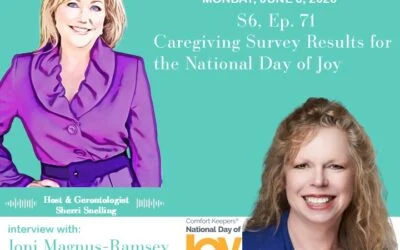
In this special installment, host Sherri Snelling sits down with Joni Magnus-Ramsey of Comfort Keepers to discuss the upcoming 8th Annual National Day of Joy, celebrated on June 24. This national initiative aims to flip the script on traditional caregiving narratives by focusing on the "human spirit," leveraging new data to show that emotional well-being is the bedrock of successful aging.
The Core Mission: Defining the National Day of Joy
The National Day of Joy, established by Comfort Keepers, serves as a poignant reminder that those who provide care and those who receive it deserve moments of respite, connection, and genuine happiness. With over 100 Comfort Keepers offices across the United States participating, the event involves a nationwide mobilization of staff and clients dedicated to engaging in uplifting activities designed to reduce the isolation often felt by seniors.
"Joy is an active choice," notes Joni Magnus-Ramsey during the interview. By setting aside a specific day to prioritize emotional health, Comfort Keepers encourages families to move beyond the clinical aspects of care and embrace the restorative power of shared experiences.

Chronology of a Movement: From Concept to National Observance
The journey to the 8th Annual National Day of Joy represents a steady evolution in how society views senior care.
- Foundational Years: Comfort Keepers recognized that while physical safety is paramount, the mental decline associated with loneliness and social isolation was a silent epidemic.
- The Data-Driven Pivot: As the initiative grew, the organization began integrating annual surveys to better understand the emotional landscape of older adults and their caregivers.
- 2026 Milestone: This year’s focus, based on a survey of over 2,000 participants, highlights the critical intersection of modern technology, independent living, and the psychological necessity of "aging in place."
The June 24th celebration is the culmination of months of planning, designed to provide tangible, actionable moments of joy that families can replicate throughout the year.
Supporting Data: The Reality of Aging in Place
The conversation between Snelling and Magnus-Ramsey is anchored in the reality of the "aging in place" phenomenon. While the term is standard industry parlance, the statistics reveal a more nuanced story about the desires of the older population versus their physical reality.
The Desire for Independence
According to AARP, between 79% and 89% of older Americans express a strong desire to remain in their homes as they age. This preference is driven by a need for autonomy and the comfort of familiar surroundings. However, the data reveals a significant gap between desire and capability:
- Infrastructure Challenges: The Pew Research Center reports that while 76 million Americans over the age of 65 live at home, a significant majority struggle with at least one core living feature, such as stairs or showers.
- The Rise of the "Solo Ager": The Mather Institute highlights that there are currently 22 million "Solo Agers"—individuals over 60 who live alone.
- Gender and Isolation: U.S. Census data indicates that approximately 43% of women over age 75 live alone, placing them at a higher risk for the adverse health effects associated with social isolation.
These figures underscore why home care agencies like Comfort Keepers are not just providers of services; they are essential lifelines that facilitate safe, independent living for a demographic that is increasingly living longer, but often, more solitarily.
Official Responses and Expert Insights
During the Caregiving Club On Air interview, Joni Magnus-Ramsey emphasized that the 2026 survey results are meant to serve as a guide for policymakers and family members alike.
"The feedback from our survey respondents was clear," Magnus-Ramsey stated. "Older adults aren’t just looking for someone to help with medication or meal preparation. They are looking for a companion who sees the person behind the patient."
Sherri Snelling, a recognized expert in the field and author of Me Time Monday, reinforces this sentiment by noting that caregivers are often the most overlooked component of the caregiving equation. By advocating for "joy," the organization is essentially advocating for "caregiver self-care," a strategy that has been scientifically proven to reduce burnout and improve the quality of care provided to the senior.

Implications: The Future of Caregiving
The implications of these findings are far-reaching. As the global population continues to age, the model of care must shift from a strictly clinical focus to one that incorporates "NeuroDesign" and emotional health.
Addressing the Sandwich Generation
The podcast also addresses the growing concerns of the "Sandwich Generation"—employees who are simultaneously balancing their careers with the responsibility of caring for aging parents. The migration of Caregiving Club news segments to a dedicated YouTube channel reflects this shift toward accessible, digital-first support systems.
The Role of Technology and Community
The integration of education, such as the "Self-Care in 7 Minutes" video series, provides a blueprint for how technology can bridge the gap. By utilizing digital resources, family caregivers can access professional advice, design tips for dementia-friendly homes, and strategies for combatting loneliness without needing to leave their homes.
A Call to Action: How to Get Involved
The celebration of the National Day of Joy on June 24 is intended to be a catalyst for long-term change. Whether you are a family caregiver looking for respite resources or an older adult seeking to improve your home environment, the following resources are recommended by the Caregiving Club:

- Engage with Comfort Keepers: Visit their official website to find local activities for the National Day of Joy.
- Utilize the Elder Care Locator: For those struggling with the logistics of aging, the Elder Care Locator (1-800-677-1116) remains the premier government resource for finding local assistance.
- Prioritize Self-Care: Explore Sherri Snelling’s Me Time Monday for practical advice on how to manage the emotional weight of caregiving.
- Stay Informed: Subscribe to the Caregiving Club YouTube channel for bi-weekly updates on caregiving research, home design, and wellness trends.
Conclusion: Redefining the Caregiver Narrative
The success of the Caregiving Club On Air podcast, recently ranked #3 among the top 80 caregiving podcasts by Feedspot, proves that there is a massive, underserved audience hungry for information that is both empathetic and expert-led.
As we look toward the 8th Annual National Day of Joy, the message is clear: aging is a natural progression of life, and it should not be defined by what one has lost, but by what one can still experience. By combining the professional expertise of organizations like Comfort Keepers with the personal dedication of family caregivers, we can ensure that the "human spirit" remains the primary focus of the aging journey.
Whether through small changes in home design, the adoption of a "Monday" self-care routine, or simply by participating in a day dedicated to joy, we are moving toward a future where aging in place is not just a goal of safety—it is a goal of fulfillment.