







Date: February 28, 2020
Subject: Legislative and Executive Action on the Substance Use Disorder Crisis
As the United States entered the second month of 2020, the federal government signaled a renewed, albeit complex, commitment to addressing the escalating addiction crisis. February 2020 proved to be a pivotal month for health policy, marked by the release of long-awaited strategic frameworks from the Office of National Drug Control Policy (ONDCP) and a flurry of legislative activity on Capitol Hill. This report provides a detailed examination of these developments, their underlying implications for the public health landscape, and the legislative maneuvering shaping the trajectory of addiction treatment and recovery policy.
I. Main Facts: The New Federal Framework
The core development of February 2020 was the publication of the Trump Administration’s National Drug Control Strategy and the accompanying National Treatment Plan. Released on Monday, February 3, these documents were intended to serve as the blueprint for federal intervention in the substance use disorder (SUD) epidemic.
The National Drug Control Strategy moved beyond mere rhetoric, aiming to provide a data-driven approach to curbing the supply and demand of illicit substances. Simultaneously, the National Treatment Plan focused on the expansion of evidence-based care, emphasizing the integration of Medication-Assisted Treatment (MAT) and the stabilization of the recovery workforce.
Key objectives outlined in these documents included:
- Expansion of Access: Scaling up the availability of FDA-approved medications for opioid use disorder (OUD) within rural and underserved communities.
- Workforce Development: Addressing the chronic shortage of addiction specialists and counselors through proposed federal grants and training incentives.
- Data-Driven Accountability: Implementing standardized metrics to measure the efficacy of state-level treatment programs, with a focus on long-term recovery outcomes rather than just initial detoxification success.
II. Chronology of Policy Developments
The policy landscape in February 2020 unfolded with rapid succession, reflecting the urgency felt by lawmakers regarding the ongoing overdose crisis.
- February 3: The ONDCP formally released the 2020 National Drug Control Strategy and the National Treatment Plan. This event set the tone for the month, establishing the Administration’s priorities for the fiscal year.
- Mid-February: Following the release, bipartisan concern grew regarding the implementation feasibility of these plans. Advocacy groups and policy experts began scrutinizing the proposed metrics, leading to increased pressure on the ONDCP to justify their targets.
- February 20-25: The House Bipartisan Opioid Task Force accelerated its efforts, finalizing a legislative agenda for the 116th Congress. This agenda was designed to close gaps in federal funding and provide more robust support for wrap-around services for those in recovery.
- February 27: The House Oversight and Government Reform Committee held a high-stakes hearing featuring the Director of the ONDCP. The hearing served as a crucible for the new policy, with committee members demanding transparency regarding how federal funds would be distributed to frontline treatment providers.
III. Supporting Data: The Scope of the Crisis
To understand the necessity of these policy updates, one must look at the data that defined the early months of 2020. Despite a slight plateau in certain regions, the overdose crisis remained the leading cause of injury-related death in the United States.
The National Treatment Plan was predicated on the understanding that the "opioid epidemic" had evolved into a "polysubstance crisis." Data released alongside the plan highlighted the rising prevalence of fentanyl-laced stimulants, particularly methamphetamine, which complicated traditional OUD treatment protocols.
Furthermore, the economic impact of the crisis—estimated in the hundreds of billions of dollars annually due to lost productivity, healthcare costs, and criminal justice expenditures—served as the primary justification for the legislative push on Capitol Hill. The House Energy and Commerce Committee noted that while treatment access had improved since the passing of the SUPPORT Act in 2018, the "last mile" of care—specifically, the transition from inpatient to outpatient support—remained a critical failure point.
IV. Official Responses and Legislative Oversight
The interaction between the Executive Branch and the Legislative Branch during February 2020 highlighted the inherent tensions in federal drug policy.
The ONDCP Position
The ONDCP maintained that the National Treatment Plan represented a shift from reactive crisis management to a proactive, systemic approach. By focusing on "accountability metrics," the office argued that states would be more incentivized to adopt high-fidelity, evidence-based practices.
Congressional Oversight
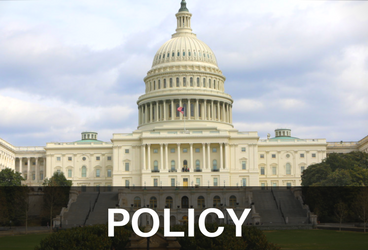
The House Oversight and Government Reform Committee, led by its Chair, expressed skepticism during the February 27th hearing. Lawmakers questioned the lack of specific, enforceable funding mechanisms attached to the ONDCP’s goals. The Chair emphasized that "strategies without significant, sustained, and transparent funding are merely aspirational."
The Bipartisan Opioid Task Force
The Task Force’s legislative agenda for the 116th Congress signaled a departure from the "opioid-only" focus of previous years. Their proposed legislation sought to address:
- Parity Enforcement: Strengthening the enforcement of the Mental Health Parity and Addiction Equity Act to ensure insurance providers cover addiction treatment at the same level as medical/surgical care.
- Harm Reduction: Formalizing support for harm reduction initiatives, including syringe services programs, which had previously faced significant political opposition.
V. Implications: What Lies Ahead for Recovery
The policy updates of February 2020 carried profound implications for the future of the addiction treatment sector.
For Healthcare Providers
The emphasis on metrics and data-driven outcomes placed an increased administrative burden on treatment facilities. While this likely improves the quality of care in the long term, small, community-based clinics expressed concern about their ability to keep up with federal reporting requirements.
For Individuals in Recovery
The legislative focus on "wrap-around services" suggests a positive shift toward supporting the social determinants of health—namely housing, employment, and transportation. For individuals navigating the recovery journey, these policies represent a move toward a more holistic model of care that recognizes that clinical treatment is only one component of sustainable recovery.
The Role of Advocacy
As noted by Holly Strain and Carol McDaid of Capitol Decisions, the influence of advocacy cannot be overstated. The information provided by these policy experts underscores that the policy shifts seen in February were not accidents of bureaucracy, but the result of sustained pressure from the recovery community, public health experts, and bipartisan legislators working in tandem.
VI. Conclusion: A Fragile Momentum
As February 2020 came to a close, the federal government had successfully laid out a roadmap for the future of addiction policy. The combination of the ONDCP’s strategic frameworks and the House’s legislative agenda provided a comprehensive, if imperfect, response to the overdose crisis.
However, the efficacy of these policies remains contingent on the political will to follow through on funding and the ability of the healthcare system to adapt to new, rigorous performance standards. The events of February 2020 served as a reminder that in the fight against addiction, policy is not a destination but a continuous, iterative process—one that requires constant vigilance, accurate data, and a commitment to the humanity of those it aims to serve.
The months ahead would prove whether these strategies would translate into real-world reductions in overdose deaths or remain, as some critics feared, mere paper promises. For the millions of Americans struggling with substance use, the stakes could not have been higher.
This report was compiled with expert insights from Holly Strain and Carol McDaid of Capitol Decisions. For further analysis on federal health legislation, stakeholders are encouraged to monitor upcoming Congressional hearings and the evolving metrics released by the ONDCP.