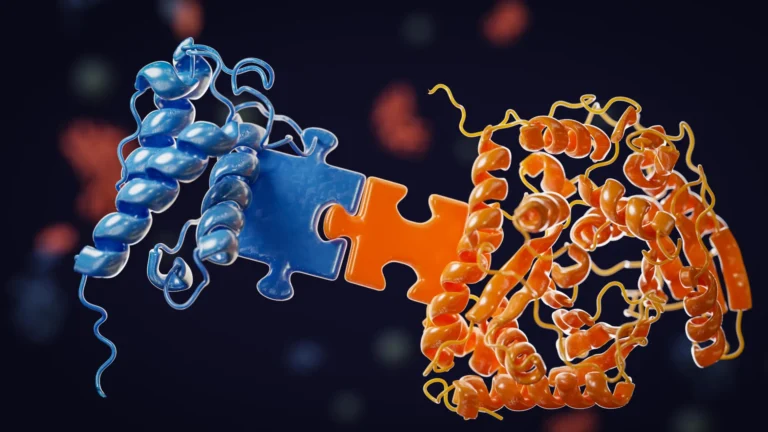









In a landmark development for cancer immunotherapy, the U.S. Food and Drug Administration (FDA) has granted accelerated approval to Tudriqev (vusolimogene oderparepvec-wtpg)—formerly known as RP1—marking the first time in more than a decade that a new oncolytic virus therapy has reached the clinical market. This breakthrough offers a vital new lifeline for patients battling unresectable advanced cutaneous melanoma, specifically those who have already seen their disease progress despite prior treatment with PD-1-blocking therapies.
This approval represents a sophisticated fusion of viral engineering and modern immunology, underscoring a growing trend in oncology: using the body’s own viral vulnerabilities to dismantle malignant tumors.
The Science of the "Trojan Horse": How Oncolytic Viruses Fight Cancer
For most of human history, viruses have been viewed solely as pathogens—unwanted invaders to be neutralized by the immune system. However, in the realm of oncolytic virotherapy, scientists have effectively flipped the script, repurposing these biological agents to act as precision-guided weapons against cancer.
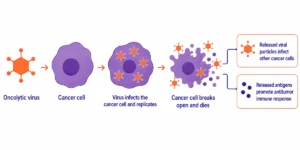
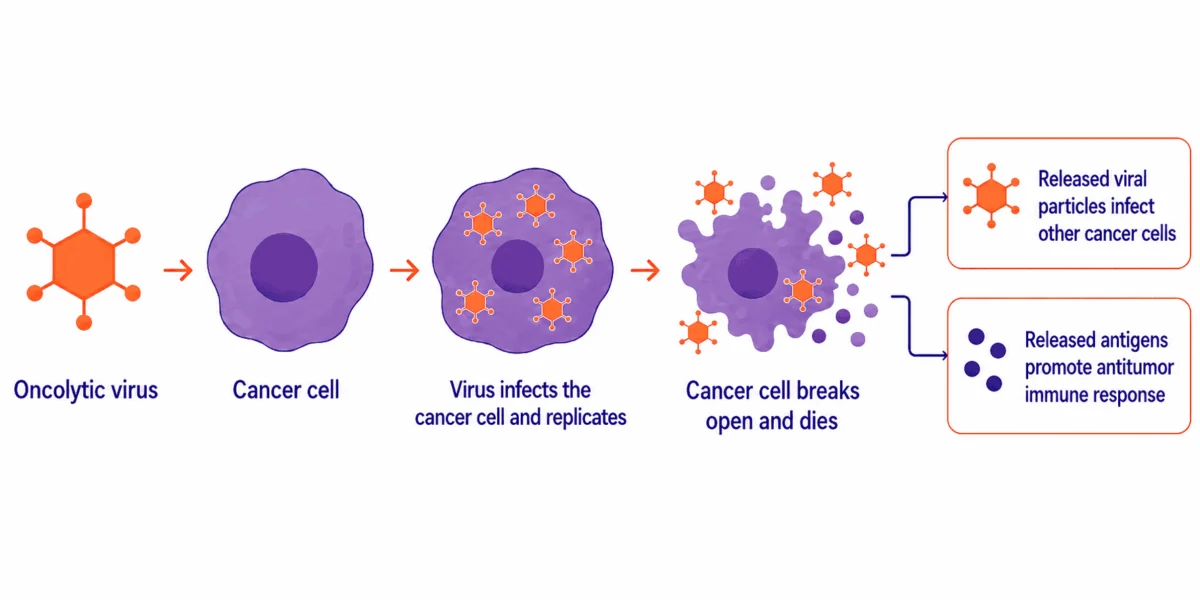
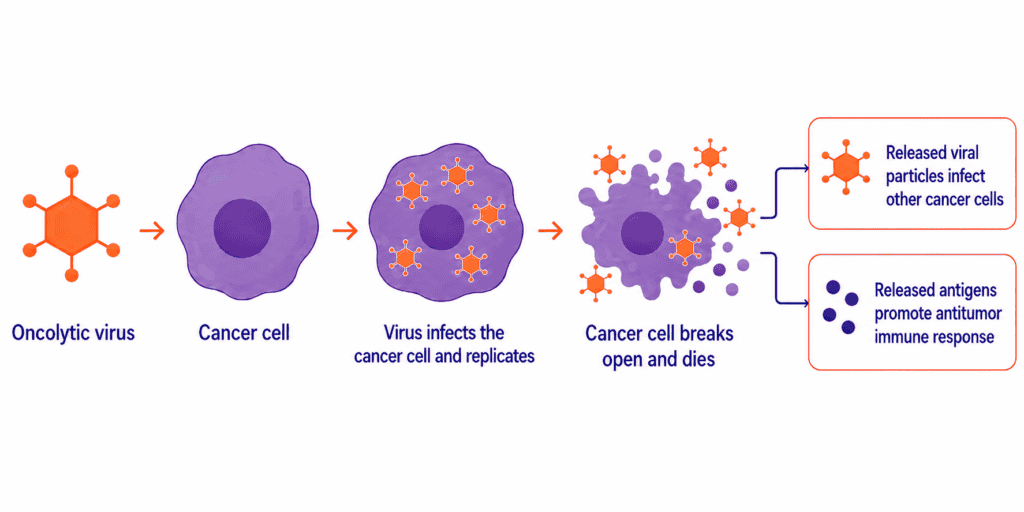
Oncolytic virus therapy functions through a dual-action mechanism that is both direct and systemic. First, the virus is engineered to preferentially infect cancer cells. Once inside, it utilizes the cell’s internal machinery to replicate itself. As the viral load increases, the cancer cell eventually ruptures—a process known as "lysis"—which directly kills the tumor cell.
However, the true clinical value lies in the aftermath of this lysis. As the cancer cell disintegrates, it releases a cascade of tumor-associated proteins and inflammatory signals into the microenvironment. This acts as an "alarm," signaling to the dormant immune system that a threat is present. By "unmasking" the cancer, the virus helps T-cells and other immune components recognize malignant cells that were previously invisible to them.
Some advanced oncolytic viruses, including Tudriqev, are further engineered to secrete immune-stimulating molecules. When combined with immune checkpoint inhibitors like nivolumab (Opdivo®), which effectively release the "brakes" on T-cell activity, the therapy creates a synergistic effect that can turn "cold" tumors (those ignored by the immune system) into "hot" tumors (those under active immune attack).
A Century in the Making: The Chronology of Virotherapy
The concept of viral-mediated cancer treatment is not new, though its implementation has required a century of scientific maturation.
- 1904: The first recorded instance of "viral therapy" occurred when physicians observed spontaneous tumor regression in a patient suffering from a viral infection. This anecdotal evidence planted the seed for future exploration.
- 1950s–1960s: Researchers began intentionally infecting cancer patients with naturally occurring viruses. While some showed promise, the lack of control and severe safety concerns—such as the virus attacking healthy tissue—led to these early trials being largely abandoned.
- 1990s: A technological sea change arrived with advancements in recombinant DNA and genetic engineering. Scientists finally possessed the tools to modify viral genomes, allowing them to strip away dangerous components and insert genes that target specific tumor markers.
- 2015: The field reached its first major milestone with the FDA approval of T-VEC (talimogene laherparepvec), the first oncolytic virus therapy approved in the U.S. for melanoma.
- 2026: The approval of Tudriqev marks the first major expansion of this therapeutic category in over a decade, signaling a resurgence in interest and investment in this modality.
Supporting Data: Evidence from the IGNYTE Clinical Trial
The approval of Tudriqev was predicated on the results of the IGNYTE clinical trial, a multicenter, open-label study designed to evaluate the efficacy of the combination of Tudriqev and nivolumab.
The trial enrolled 140 patients with advanced cutaneous melanoma. To measure the efficacy of the systemic immune response, researchers focused on 91 patients who possessed at least one lesion that was not directly injected with the virus. This allowed scientists to determine if the immune system was attacking distant, uninjected tumors—a key indicator of a true systemic anti-cancer response.
The results were statistically significant: 24.2% of the assessed group demonstrated an objective response, meaning their tumors shrank by a predefined, clinically meaningful amount. Perhaps more importantly, the durability of these responses was encouraging, with a median response duration of 14.1 months. For a patient population that had already exhausted traditional PD-1 therapy options, this period of disease control represents a profound clinical advancement.
Official Regulatory Status: Understanding Accelerated Approval
It is essential for patients and clinicians to understand that Tudriqev has been granted "accelerated approval." This FDA regulatory pathway is reserved for drugs that fill an unmet medical need for serious conditions and show evidence that is "reasonably likely to predict clinical benefit."
Because this approval is based on surrogate endpoints (such as tumor shrinkage rather than overall survival), the manufacturer, Replimune, is mandated to conduct further confirmatory research. The FDA’s continued approval of the therapy will be contingent upon the success of these ongoing trials. This mechanism allows life-saving therapies to reach patients faster while maintaining rigorous long-term safety and efficacy oversight.
Clinical Implications and Side Effects
As with any potent immunotherapy, the combination of Tudriqev and nivolumab carries a risk profile that requires careful management by a specialized oncology team.
Common adverse reactions observed in the IGNYTE trial included:
- Constitutional symptoms: Fatigue, fever, and chills, often mirroring the body’s natural response to a viral infection.
- Localized reactions: Inflammation or irritation at the injection site.
- Flu-like symptoms: Muscle aches and malaise.
Because Tudriqev is a modified herpes simplex virus (HSV), patients and their families are also provided with warnings regarding the potential for secondary herpes infection and the necessity of preventing accidental exposure to the virus. Patients are encouraged to engage in detailed discussions with their oncologists to weigh these risks against the therapeutic potential of the treatment.
The Future: Beyond Melanoma
While the current approval is specific to advanced melanoma, the scientific community is viewing Tudriqev as a "proof of concept" for a broader wave of virotherapy. Hundreds of clinical trials are currently underway, investigating the utility of oncolytic viruses in treating solid tumors ranging from head and neck cancers to gastrointestinal malignancies.
Researchers are now focused on several key questions:
- Synergy: Which combinations—be it chemotherapy, radiation, or other immunotherapies—best complement the action of oncolytic viruses?
- Delivery: Can systemic (intravenous) delivery of these viruses be perfected to target metastatic disease more effectively than direct intratumoral injection?
- Patient Selection: Can genomic profiling help identify which patients are most likely to mount a robust immune response to the virus?
Conclusion
The arrival of Tudriqev serves as a poignant reminder of the evolution of modern medicine. What was once feared as an invisible enemy has been refined into a precision-engineered ally. While the field of oncolytic virotherapy remains in its relative infancy compared to traditional chemotherapy or surgery, its potential to fundamentally alter the prognosis for advanced cancer patients is significant.
For patients currently navigating the challenges of advanced melanoma, the approval of Tudriqev provides a new path forward—a testament to decades of rigorous research and the persistent effort to turn the body’s own biology against the disease. As clinical data continues to mature and further trials expand our understanding, oncolytic viruses may well transition from an experimental curiosity to a cornerstone of standard-of-care oncology.
For those seeking more information on the current landscape of immunotherapy, the Cancer Research Institute (CRI) offers comprehensive resources, including the "Infecting Cancer: How Viruses Are Turning the Tide Against Tumors" webinar series, which provides in-depth expert commentary on the biological mechanics and future trajectory of this exciting therapeutic field.