






As the global population ages, the quest to identify modifiable lifestyle factors that can stave off cognitive decline has become a cornerstone of modern neurological research. While exercise, sleep, and mental stimulation have long been touted as pillars of brain health, the role of specific micronutrients is increasingly coming under the scientific microscope. A significant new study published on June 10, 2026, in the open-access journal PLOS One offers compelling new evidence that vitamin C—a nutrient commonly associated with immune support—may be a critical player in maintaining the physical architecture of the aging brain.
Led by Haruka Nagaya of Hirosaki University in Japan, the study examined a large cohort of over 2,000 older adults, discovering a consistent correlation between lower blood plasma levels of vitamin C and diminished brain structural integrity. The findings provide a potential roadmap for dietary interventions aimed at preserving cognitive function well into one’s golden years.
Main Facts: A Window into Brain Aging
The research, which utilized advanced neuroimaging and biochemical analysis, focused on a demographic often overlooked in smaller clinical trials: community-dwelling older adults. By analyzing data from 2,044 Japanese participants over the age of 64, researchers sought to bridge the gap between nutritional intake and the physical manifestation of aging within the brain.
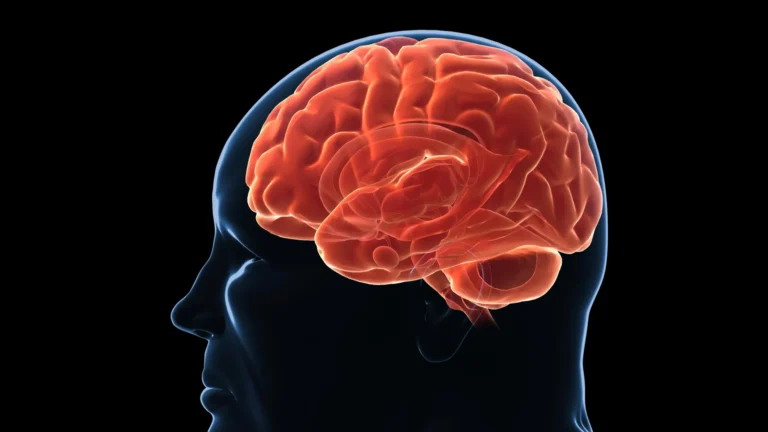
The core discovery centers on the relationship between vitamin C levels and two primary markers of brain health: gray matter volume and the connectivity of the "default mode network" (DMN). The DMN is a complex, interconnected system of brain regions that activates when an individual is not focused on the outside world, playing a fundamental role in internal processes such as autobiographical memory, future planning, and attention.
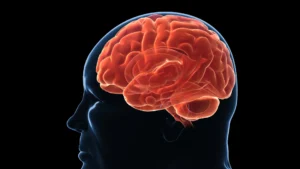
The researchers observed that individuals with lower concentrations of vitamin C in their blood plasma consistently exhibited reduced gray matter volume—the regions of the brain responsible for processing information—and weaker connectivity within the DMN. While the study is observational, it provides one of the most robust links to date between a specific dietary micronutrient and the structural health of the human brain.
Chronology: Unpacking the Research Process
The journey to these findings was methodical, involving years of data collection and rigorous statistical analysis.
- Initial Hypothesis Development: Building on decades of existing literature that suggested high vitamin C intake is associated with reduced risk of cognitive impairment, Nagaya and the Hirosaki University team sought to move beyond self-reported diet surveys. They aimed to measure the actual biological availability of the nutrient in the bloodstream.
- Data Collection (The Cohort Study): The researchers recruited 2,044 participants aged 64 and older. This community-based approach ensured a diverse representation of older adults, rather than relying on a clinical population already exhibiting cognitive symptoms.
- Biochemical and Radiological Assessment: Participants underwent blood plasma analysis to determine vitamin C levels. Simultaneously, they underwent high-resolution magnetic resonance imaging (MRI) scans.
- Structural Analysis: The MRI data were processed to measure gray matter volume and white matter integrity. Crucially, the researchers accounted for "total brain volume," ensuring that the observed differences were not simply a result of natural brain shrinkage associated with advanced age.
- Publication: After rigorous peer review, the findings were officially published on June 10, 2026, in PLOS One, marking a significant contribution to nutritional neurology.
Supporting Data: The Anatomy of the Brain
To understand the gravity of these findings, one must look at the data through the lens of neurology. The study did not merely look at cognitive scores—which can be subjective—but at the actual physiological state of the brain.
Gray Matter and Cognitive Reserve
Gray matter consists of the neuronal cell bodies, neuropil, glial cells, and capillaries that handle sensory perception and motor control. As we age, gray matter naturally begins to decline. However, the study found that this decline was significantly more pronounced in individuals with lower vitamin C levels. By adjusting for factors such as age, education level, and physical activity, the researchers were able to isolate vitamin C as a significant independent variable.
The Default Mode Network (DMN)
The DMN is essentially the brain’s "resting state" network. It is the seat of the self, where we integrate memories and maintain our sense of continuity. Weakened connectivity within this network is often a precursor to cognitive decline and is frequently studied in the context of neurodegenerative conditions. The fact that vitamin C levels correlate with the "wiring" of this network suggests that nutrition may facilitate the maintenance of these delicate neural pathways.
Official Responses and Expert Perspectives
The research has drawn attention for its scale and its focus on a singular, manageable nutritional factor. Tomohiro Shintaku, a key voice associated with the study, emphasized the implications of these findings for public health policy and individual dietary choices.
"Our study demonstrates that higher plasma vitamin C levels are associated with better preserved structural connectivity of the default mode network," Shintaku noted. "This finding generates the exciting hypothesis that a diet rich in vitamin C might play a supportive role in maintaining brain health and mitigating age-related cognitive decline in older adults."
Shintaku highlighted the unique methodology of the project: "What I found most fascinating about this research is that we were able to detect these subtle but significant associations between a single nutritional factor and large-scale brain networks by utilizing a robust, community-based cohort. It truly highlights the potential impact of our everyday dietary habits on our brain structures."
Addressing Conflicts of Interest
The researchers were transparent regarding the funding of the study. Financial support was provided by the Japan Agency for Medical Research and Development (AMED). Additionally, KAGOME CO., LTD. provided support in the form of salaries for authors D.K. and Y.U. However, the study protocol explicitly states that the funding bodies had no role in the study design, data collection, the interpretation of results, or the decision to publish the manuscript, ensuring the integrity of the findings remained independent.
Implications: The Future of Nutritional Neurology
While the study is a milestone, the researchers are careful to emphasize that it is observational. It does not prove that vitamin C is a "magic bullet" that causes structural brain health. It is possible that individuals with healthier lifestyles—who exercise more or have better access to quality food—naturally have both higher vitamin C levels and healthier brains.
The Need for Future Research
To move from association to causation, the scientific community must look toward longitudinal studies. Future research, according to the Hirosaki University team, should focus on:
- Temporal Tracking: Measuring vitamin C levels repeatedly over several years to observe how changes in diet reflect changes in brain structure over time.
- Diverse Populations: Extending the research beyond Japanese cohorts to include participants from varied ethnic and socioeconomic backgrounds to see if these findings are universal.
- Biological Mechanisms: Investigating the "how." Does vitamin C act as an antioxidant that prevents oxidative stress in neural cells? Does it facilitate the synthesis of neurotransmitters? Understanding the underlying biological pathways will be the next frontier.
Practical Advice for Aging Populations
For the general public, the study serves as a strong reminder that the brain is not an isolated organ—it is part of a metabolic system that relies on the fuel we provide it. While waiting for definitive clinical trials, experts often point to the "dietary synergy" approach. Vitamin C is abundant in citrus fruits, bell peppers, strawberries, and cruciferous vegetables. Incorporating these into a daily diet, combined with the proven benefits of cardiovascular exercise and mental engagement, remains the safest and most effective strategy for healthy aging.
Ultimately, the Hirosaki University study provides a hopeful message: the structural health of our brains may be more responsive to our daily choices than previously thought. By viewing nutrition as a form of "neuro-maintenance," we may gain the tools to protect our memories, our attention, and our cognitive longevity for years to come.