







For decades, the fitness industry has championed the sit-up as the undisputed king of abdominal training. From high school gym classes to late-night infomercials, the narrative has been consistent: if you want a flatter midsection, you must lie on the floor and crunch. However, for adults over the age of 65, this singular focus is not only outdated but often ineffective for addressing specific concerns like "apron belly"—the layer of skin and fat that hangs over the lower abdomen.
According to Jarrod Nobbe, MA, CSCS, a renowned sports performance coach, the secret to midsection health later in life lies not in repetitive floor movements, but in a holistic approach that integrates strength, mobility, and metabolic support.
The Reality of Midsection Changes After 65
The Myth of Spot Reduction
The fundamental misunderstanding in fitness is the concept of "spot reduction"—the idea that exercising a specific muscle group will burn the fat directly covering it. While abdominal exercises strengthen the underlying muscles, they do not necessarily influence the fat deposits above them. Apron belly, clinically referred to as a panniculus, is often a result of hormonal shifts, decreased muscle mass, and metabolic changes common in the post-65 demographic.
Why Conventional Ab Work Fails
Traditional sit-ups and crunches often place undue stress on the lumbar spine and cervical vertebrae—areas that become more vulnerable with age. Furthermore, these exercises provide minimal "functional carryover." A flatter, more toned appearance requires the core to be engaged in multi-planar movements that involve the entire body, not just the front of the abdomen.
The Holistic Four-Pillar Protocol
To effectively address the midsection, one must move away from floor-based isolation and toward compound, joint-friendly movements. The following protocol, designed by Coach Nobbe, prioritizes stability, core bracing, and functional strength.
1. Incline Mountain Climbers
This movement elevates the core into a high-plank position using a sturdy surface, such as a countertop or a heavy bench. By keeping the hands elevated, the user reduces the load on the shoulders while maximizing abdominal engagement.
- The Mechanics: As you drive your knees toward your chest, your transverse abdominis (the "corset" muscle) must contract to stabilize your pelvis.
- The Benefit: It builds shoulder stability and hip mobility while increasing the heart rate, bridging the gap between strength training and cardiovascular exercise.
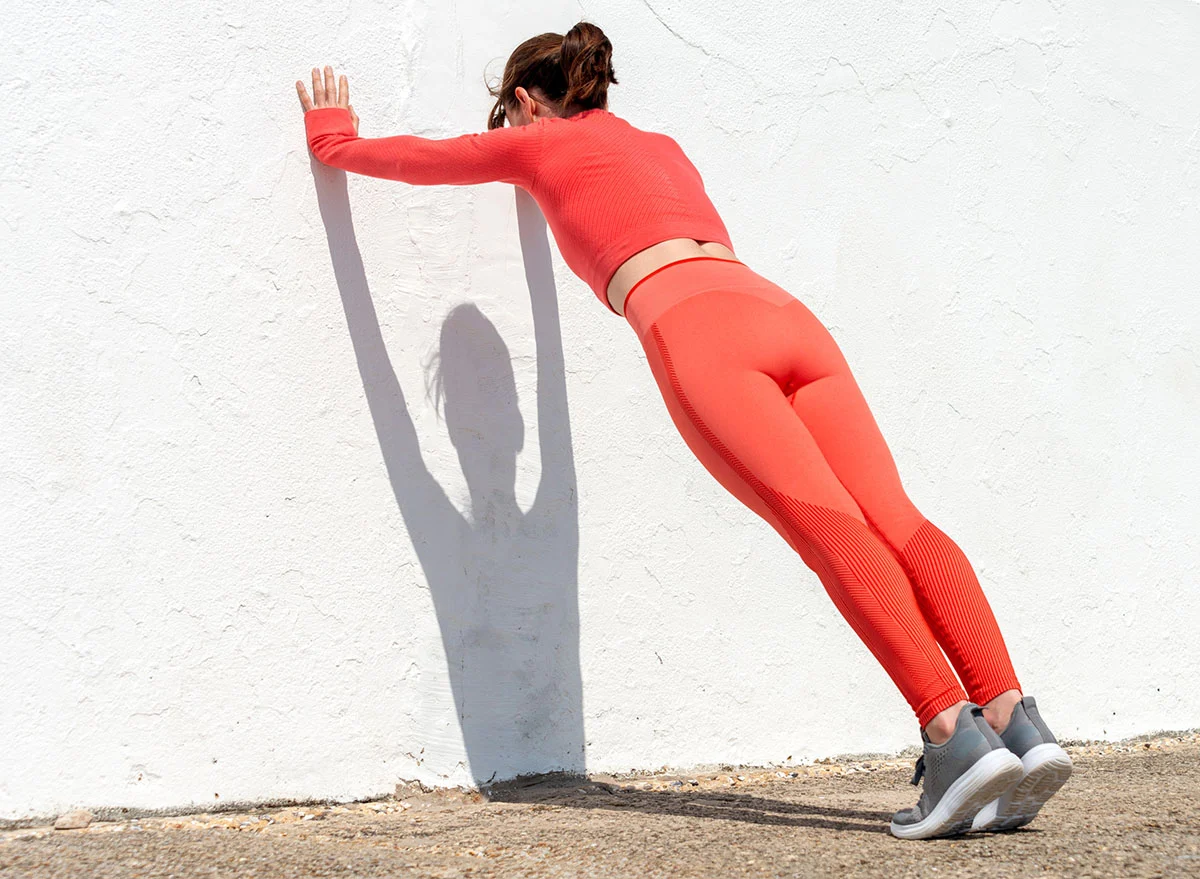
2. Incline Plank with Shoulder Taps
The static plank is a staple of core conditioning, but adding the "shoulder tap" introduces an element of anti-rotation.
- The Challenge: Every time you lift one hand to touch the opposite shoulder, your body wants to tilt or sway. Your core must fight to keep your hips level and square to the surface.
- The Result: This recruits the obliques and the deep stabilizers of the spine, providing a comprehensive "tightening" effect that standard crunches cannot replicate.
3. Incline Walking
While strength training is vital, the "apron" effect is significantly influenced by overall body composition. Incline walking—using a treadmill or a natural hill—increases the caloric demand of a standard walk without the high impact associated with running.

- The Impact: Walking at an incline forces the posterior chain (glutes, hamstrings, and calves) to work harder. As these large muscle groups fire, they support a more upright posture, which naturally lengthens the torso and creates a flatter, more confident midsection profile.
4. Sit-to-Stand Intervals
Often overlooked, the humble squat is the ultimate "core" exercise. By performing sit-to-stands using a chair, you ensure proper depth and form.
- The Strategy: By pushing through the entire foot and standing tall, you engage the glutes and quads. This movement pattern reinforces the pelvic floor and strengthens the core as a unit, creating a functional foundation that supports the entire torso.
Chronology of Progress: What to Expect
Transforming body composition is a gradual process that requires patience, particularly after 65.
- Weeks 1–4: Neural Adaptation. During the first month, the focus is on neuromuscular control. You will likely feel more "aware" of your core during daily tasks like reaching for a high shelf or walking.
- Weeks 5–8: Structural Strength. As muscle fibers adapt to the resistance, you will notice increased stamina during the sit-to-stand intervals and a greater ability to hold planks without feeling shaky.
- Month 3 and Beyond: Metabolic Shift. When combined with protein-forward nutrition, this is the window where changes in body composition typically become visible. The combination of consistent movement and stable blood sugar levels begins to facilitate a reduction in total body fat.
Supporting Data and Physiological Implications
The efficacy of this routine is supported by research into sarcopenia (age-related muscle loss). Studies published in journals such as The Journals of Gerontology suggest that resistance training in older adults is the primary driver for improving metabolic health and reducing visceral fat.
Furthermore, protein intake is non-negotiable. As we age, the body becomes less efficient at synthesizing protein into muscle. To see the results of the 4-move plan, one must prioritize high-quality protein (lean meats, legumes, dairy, or plant-based alternatives) to provide the raw materials necessary for tissue repair and muscle maintenance.
Expert Perspective: Integrating the Routine
According to Coach Nobbe, the key to success is "approachable intensity." It is not about how hard you work in one session, but how effectively you integrate these movements into your daily life.
"You want your core working while your legs move," says Nobbe. "That gives the workout more purpose than just repeating reps on a floor and hoping for the best."
Practical Implementation Tips:
- Consistency Over Intensity: Perform these movements 3–5 times a week. Short, frequent sessions are more effective than long, exhausting workouts that lead to burnout or injury.
- Focus on Form: Especially with shoulder taps, slow is superior to fast. A controlled, steady movement creates higher time-under-tension for the abdominal wall.
- Nutrition as a Partner: Exercise creates the signal for change, but your diet provides the fuel. Focus on consistent portion sizes and high-protein meals to support muscle recovery.
- Listen to Your Joints: The beauty of the incline-based routine is that it can be adjusted. If your wrists hurt, use a higher surface. If your knees are tired, reduce the depth of the sit-to-stand.
Implications for Long-Term Health
Addressing the midsection after 65 is about much more than vanity. A stronger core equates to a lower risk of falls, better balance, and a reduced likelihood of chronic lower back pain. By moving away from the "sit-up culture" and embracing a functional, multi-joint approach, older adults can reclaim their posture, improve their metabolic rate, and build a body that is as resilient as it is capable.
The journey toward a flatter midsection is a process of recalibration. By shifting the focus from isolated abdominal contractions to integrated, daily movement, the goal becomes a sustainable lifestyle rather than a temporary fix. With the right movements and a commitment to consistency, the goal of a stronger, more toned midsection is well within reach, regardless of your starting point.