









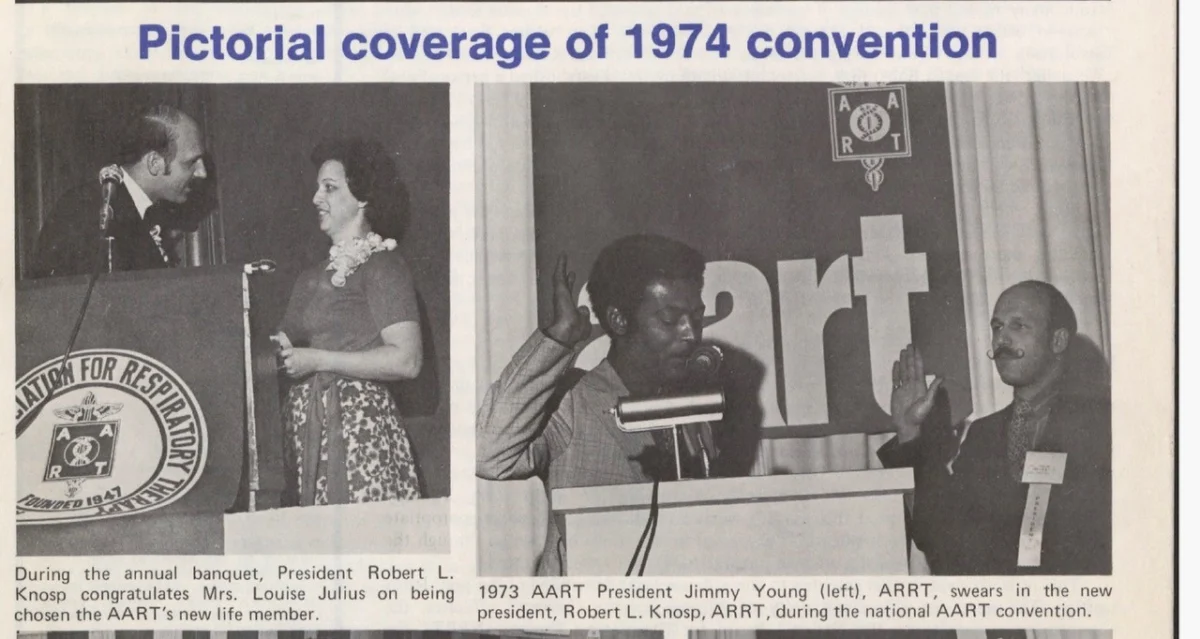
The respiratory care profession is defined by the critical, often life-saving interventions provided at the bedside, but the soul of the field is found in the advocacy and leadership that sustains it. At the pinnacle of this professional recognition stands the Jimmy A. Young Award, the highest honor bestowed by the American Association for Respiratory Care (AARC). Named in memory of the late AARC president—a man whose life was synonymous with the advancement of the profession—the award serves as a lifetime achievement recognition for individuals who have fundamentally altered the landscape of respiratory care.
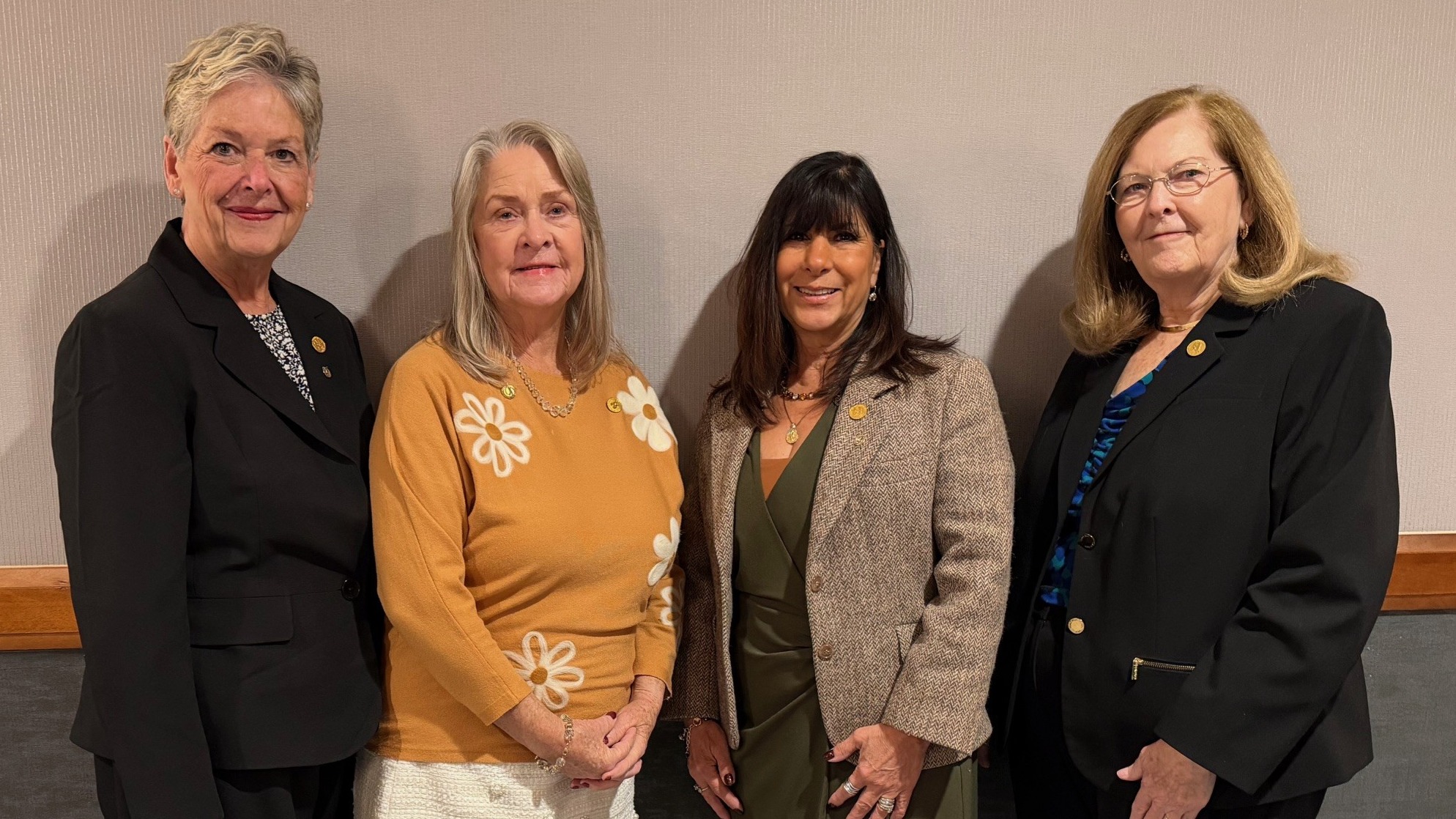
Recently, Lisa Weisenberger, AARC Director of Content and Communications, facilitated a profound retrospective discussion with four of the five women to have ever received this prestigious honor: Dianne Lewis, MS, RRT, FAARC (2025); Trudy Watson, BS, RRT, FAARC (2018); Margaret Traband, MEd, RRT, FAARC (2011); and Teresa Volsko, MBA, MHHS, LSSBB, RRT, FAARC (2020). (The fifth recipient, Louise Julius, was honored in 1988 alongside her husband, John.) This conversation did more than recount history; it provided a masterclass in leadership, resilience, and the evolving role of women in high-stakes medicine.
The Genesis of a Legacy: Professional Service
For these four luminaries, the path to the Jimmy A. Young Award was not paved with the intention of collecting accolades. Rather, it was forged through decades of granular, often unseen, service.
Dianne Lewis, the most recent recipient (2025), traced her journey back to the AARC House of Delegates. Her tenure was defined by a rigorous commitment to institutionalizing quality. One of her most significant contributions was her leadership on the Clinical Practice Guidelines Steering Committee. "My group wrote and published the first clinical practice guideline for the association," Lewis explained. This was not merely an administrative task; it was a foundational moment for the field, establishing the standardized, evidence-based care protocols that now govern patient safety across the United States.
Margaret Traband, who has been an AARC stalwart since 1972, underscored that the most meaningful leadership often originates at the grassroots level. "We began with our state societies," Traband noted. "You don’t do it looking for what else you need to check off a list to get an award. You’re just moving ahead where you think you can do the most good." This philosophy—a blend of humility and persistent progress—remains the hallmark of the profession’s most respected leaders.
Chronology of Influence: From Exclusion to Inclusion
The historical trajectory of women in respiratory care leadership reflects the broader evolution of the American medical system. For decades, the profession was dominated by a "glass ceiling" that seemed impenetrable.
The Mid-20th Century Landscape
In the early days of respiratory therapy, professional organizations were almost exclusively male-led. The scarcity of women in leadership roles was not merely a matter of demographics; it was a structural byproduct of a medical hierarchy that discouraged women from seeking the executive table.
The Shift Toward Mentorship
Teresa Volsko provided a vivid snapshot of this era. "In 1979, if you were invited to the table, you didn’t dare bring another woman up with you because there was only one or two seats," she reflected. This scarcity bred a competitive culture where success was often a zero-sum game.
However, as the workforce demographics shifted, so did the professional ethos. The recipients highlighted a critical turning point where the goal shifted from "surviving" the hierarchy to "dismantling" it for the next generation. Today, the profession prides itself on a culture of sponsorship rather than competition, where seasoned leaders actively clear the path for the next generation of practitioners.
Supporting Data: The Current State of the Profession
While the Jimmy A. Young Award honors individual excellence, it also highlights the systemic health of the respiratory therapy field. Current projections suggest a dual reality: an explosion of clinical necessity and a mounting pressure on educational pipelines.
- Workforce Demand: As noted by Dianne Lewis, the next decade is expected to see a significant spike in demand for respiratory therapists. The aging population and the increasing prevalence of chronic respiratory diseases like COPD and asthma, coupled with the long-term impacts of the COVID-19 pandemic, have cemented the RT as an indispensable member of the interdisciplinary healthcare team.
- The Educational Gap: A primary concern among the recipients is the sustainability of the workforce. Trudy Watson highlighted the difficulty of "finding the students to fill the seats in the classroom." Despite high job security and the critical nature of the work, attracting the next generation of students requires a concerted effort to demonstrate the impact and intellectual rigor of the profession.
- Burnout and Resilience: The post-pandemic environment has left the profession fragile. With many clinicians reporting high levels of emotional and physical exhaustion, the guidance provided by these award-winning leaders is more relevant than ever.
Official Perspectives: A Roadmap for the Next Generation
During their discussion, the recipients synthesized decades of collective wisdom into three core pillars for success, designed to guide aspiring respiratory therapists toward both professional impact and personal fulfillment.
1. The Art of Strategic Networking
Trudy Watson emphasized that professional recognition is not accidental. "Get involved so your name is known and you are trusted within your own organization," she advised. She stressed the importance of cross-pollinating professional interests, noting that involvement in external organizations—such as the American Lung Association—can provide a broader perspective on public health and professional policy.
2. The Mandate of "Over-Preparation"
Margaret Traband’s advice is rooted in the academic rigor of the 1970s "Journal Clubs," where research was the bedrock of practice. "Being over-prepared is status quo for most of us," she said. In a field where the difference between a successful intervention and a failed one can be measured in seconds, the expectation of deep, clinical literacy is non-negotiable.
3. Leading from the Bedside
Perhaps the most empowering sentiment came from Teresa Volsko, who challenged the common misconception that leadership requires a C-suite title. "Don’t let the fact that you have the title of a clinical respiratory therapist stop you from doing great things," she argued. "Lead where you are." This emphasizes that the most profound leadership often occurs at the bedside, through clinical excellence, patient advocacy, and the mentorship of peers.
Implications: The Horizon of Respiratory Care
The challenges facing the profession are significant, yet the outlook remains optimistic if the industry embraces the lessons of its elders.
Addressing Burnout
Traband offered a poignant piece of advice for those grappling with the heavy emotional toll of the field: "The further away you get from the bedside, the less positive reinforcement happens. Take the time to reflect at the end of the day. Know that you’ve alleviated breathlessness and calmed patients. Steep in that moment." This focus on "mindful practice" is being increasingly recognized as a vital component of career longevity.
The Future of Advocacy
The Jimmy A. Young Award is, fundamentally, a recognition of advocacy. Whether it is standardizing care through clinical guidelines, fighting for higher education standards, or mentoring a junior therapist, the common thread is a dedication to the profession that exceeds the boundaries of one’s own job description.
As the AARC looks to the future, the legacy of these four women—and those who came before them—serves as a blueprint. The profession is no longer just about managing oxygen and ventilators; it is about managing the future of respiratory health through policy, education, and, most importantly, the elevation of those who hold the equipment.
The Jimmy A. Young Award, therefore, is more than just a trophy; it is a symbol of a lifetime spent in service. It reminds the entire respiratory community that while technology changes and medical standards evolve, the core requirement for success remains unchanged: a blend of rigorous clinical preparation, unwavering advocacy, and the courage to take a seat at the table to ensure the profession continues to thrive.
For the next generation of therapists, the message from the 2011, 2018, 2020, and 2025 recipients is clear: Your influence is not limited by your title, your success is not dependent on the exclusion of others, and your contribution to the patient is only limited by your willingness to lead where you are.