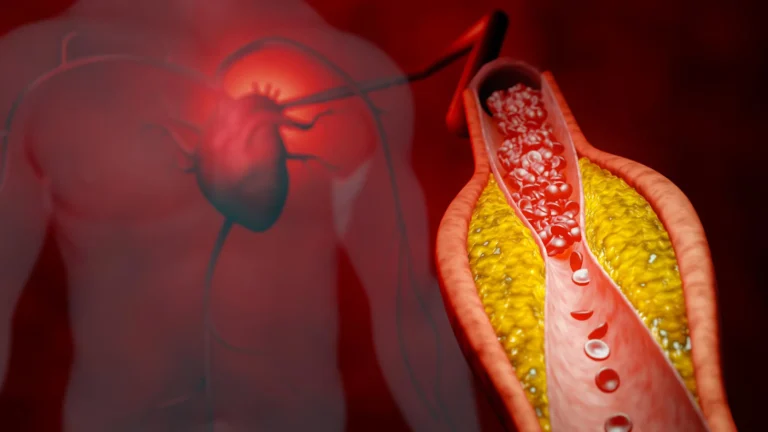












In a significant development for nephrology and cardiology, a novel therapeutic agent, baxdrostat, has demonstrated the potential to bridge a critical gap in the management of chronic kidney disease (CKD) and resistant hypertension. Preliminary findings presented at the American Heart Association’s Hypertension Scientific Sessions 2025 suggest that adding this medication to standard treatment regimens not only aids in blood pressure control but may also provide protective benefits for kidney function.
The findings, which were simultaneously published in the Journal of the American Society of Nephrology, offer a glimmer of hope for a patient population that has long been difficult to treat. By targeting the underlying hormonal mechanisms that drive both high blood pressure and renal degradation, researchers believe baxdrostat could fundamentally change the standard of care for millions.
The Dangerous Cycle: Understanding the Link Between Heart and Kidneys
The physiological relationship between blood pressure and kidney health is characterized by a "vicious cycle." Chronic kidney disease and hypertension are intrinsically linked; when one is left unmanaged, it almost inevitably compromises the other.
At the center of this mechanism is aldosterone, a steroid hormone produced by the adrenal glands. Under normal conditions, aldosterone helps regulate blood pressure by balancing sodium and potassium levels. However, in patients with CKD and resistant hypertension, the system often becomes dysregulated. Excessive aldosterone leads to the retention of sodium, which in turn causes the body to hold onto water, driving blood pressure upward.
Beyond fluid retention, an excess of this hormone triggers structural damage. Over time, it induces the stiffening and thickening of blood vessels, contributing to heart damage, and promotes inflammation and scarring within the kidneys—a process known as fibrosis. As kidney function declines, the body’s ability to regulate blood pressure diminishes, further elevating systemic pressure and accelerating the progression toward kidney failure.
Chronology of the Clinical Investigation
The path to these findings began with a clear clinical objective: to determine if the addition of baxdrostat—a highly selective aldosterone synthase inhibitor—could safely lower blood pressure in patients who were failing to reach their targets despite being on standard-of-care medications, specifically angiotensin-converting enzyme (ACE) inhibitors or angiotensin receptor blockers (ARBs).
Study Recruitment and Baseline Characteristics
The research team, led by Dr. Jamie P. Dwyer of the University of Utah Health, enrolled 195 participants. To qualify, patients had to demonstrate both documented CKD and uncontrolled hypertension.
At the study’s outset, the participant profile underscored the severity of their condition:
- Average Systolic Blood Pressure: 151 mm Hg, despite existing pharmaceutical intervention.
- Albuminuria: An average of 714 mg/gm of creatinine. (Clinical thresholds for significant kidney disease often begin at levels as low as 30 mg/gm).
- Renal Function: An average estimated glomerular filtration rate (eGFR) of 44 mL/min/1.73m², well below the threshold of 60 mL/min/1.73m² that generally signals the presence of chronic kidney disease.
Methodology and Execution
Of the 192 participants who were randomized, the cohort was split into three groups:
- Low-dose Baxdrostat (0.5 mg to 1 mg).
- High-dose Baxdrostat (2 mg to 4 mg).
- Placebo group.
All participants continued their standard care regimens throughout the 26-week study period. Only three participants exited the study early, due to either adverse events, personal decision, or other extraneous factors, suggesting that the drug was generally well-tolerated by the study population.
Supporting Data: The Impact on Albuminuria
While blood pressure reduction was a primary endpoint, the most striking data to emerge from the 26-week trial involved the reduction of albumin in the urine.
Albuminuria—the presence of excess protein in the urine—is a well-established predictor of both cardiovascular disease progression and renal decline. In an exploratory analysis, researchers found that participants treated with baxdrostat experienced a 55% reduction in urine albumin levels compared to the placebo group.
This level of reduction is clinically significant, as it mirrors the efficacy seen in other medications currently used to delay the progression of kidney disease. By lowering the "leakage" of protein through the kidneys, the treatment suggests a potential preservation of the glomerular filtration barrier, the delicate microscopic structure responsible for filtering waste from the blood.
Official Responses and Expert Perspective
The medical community has reacted to these findings with cautious optimism, particularly regarding the inclusion of patients who have historically been sidelined in clinical trials.
"These findings are encouraging for people living with chronic kidney disease and high blood pressure, two conditions that often go hand-in-hand and create a dangerous cycle," said Dr. Jamie P. Dwyer, lead study author. "High blood pressure can worsen kidney function and declining kidney function can further elevate blood pressure, and these outcomes can be life-altering for patients."
Dr. Jordana B. Cohen, immediate past chair of the American Heart Association’s Hypertension and Kidney Cardiovascular Science Committee, emphasized the significance of the trial’s demographics. "Patients with chronic kidney disease were historically often excluded from drug studies," Dr. Cohen noted. "It is particularly reassuring to know that patients with chronic kidney disease, who have very high rates of hypertension and elevated renin-angiotensin aldosterone activity, were represented in their own study, tolerated the medication well, and had both blood pressure and albuminuric benefits."
Dr. Cohen, who was not involved in the study, further suggested that the class of medication to which baxdrostat belongs could represent a "game changer" for the management of hypertension, offering both kidney-protective and cardio-protective benefits.
Implications for Future Treatment and Clinical Practice
The implications of this research extend far beyond the immediate reduction of blood pressure numbers. If the findings hold up in larger trials, baxdrostat could become a cornerstone therapy for patients suffering from "resistant" conditions—those for whom current standard medications are insufficient.
The Move to Phase 3
The current research, while promising, serves as a proof-of-concept. As is standard practice for clinical research, the results presented at the AHA sessions are considered preliminary. The medical community is now looking toward two large-scale Phase 3 clinical trials currently underway. These trials are designed to definitively prove whether the reduction in albuminuria directly translates into a significant delay in the progression to end-stage renal disease (ESRD).
Addressing the Treatment Gap
Currently, patients with advanced CKD have limited options for blood pressure control. ACE inhibitors and ARBs are effective, but they are often insufficient on their own for patients with severe systemic hypertension. By adding a targeted aldosterone synthase inhibitor, clinicians may be able to achieve tighter blood pressure control without the complications often associated with adding other, less specific diuretics or antihypertensive agents.
A Note on Funding and Peer Review
The study was funded by AstraZeneca, the developer of the medication. As with all research presented at scientific conferences, it is vital to note that these abstracts have not yet undergone the rigorous, multi-stage peer-review process required for a final manuscript publication in a high-impact medical journal. However, the simultaneous publication in the Journal of the American Society of Nephrology provides a level of academic weight that suggests the data is robust and warrants significant attention.
Conclusion
The intersection of cardiovascular and renal health remains one of the most challenging areas of modern medicine. The "dangerous cycle" described by Dr. Dwyer has trapped countless patients in a progression toward heart failure and kidney transplant lists.
While more data is required to fully understand the long-term safety and efficacy of baxdrostat, the early results are undeniably positive. If the drug continues to show success in Phase 3 trials, it will provide a much-needed tool for clinicians, potentially extending the lives and improving the quality of health for patients who, until now, had very few options to stop the slow, relentless progression of their disease. For now, the medical community awaits the final results with great anticipation, hopeful that this novel medication will provide the breakthrough that nephrology has been seeking for decades.