






In the high-stakes world of oncology, the focus is often tethered to the latest breakthrough therapies, clinical trial outcomes, and molecular markers. However, for those treating multiple myeloma—a complex, chronic blood cancer that often requires years of continuous care—the clinical diagnosis is only the beginning of a profound, long-term human journey.
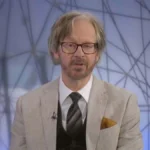
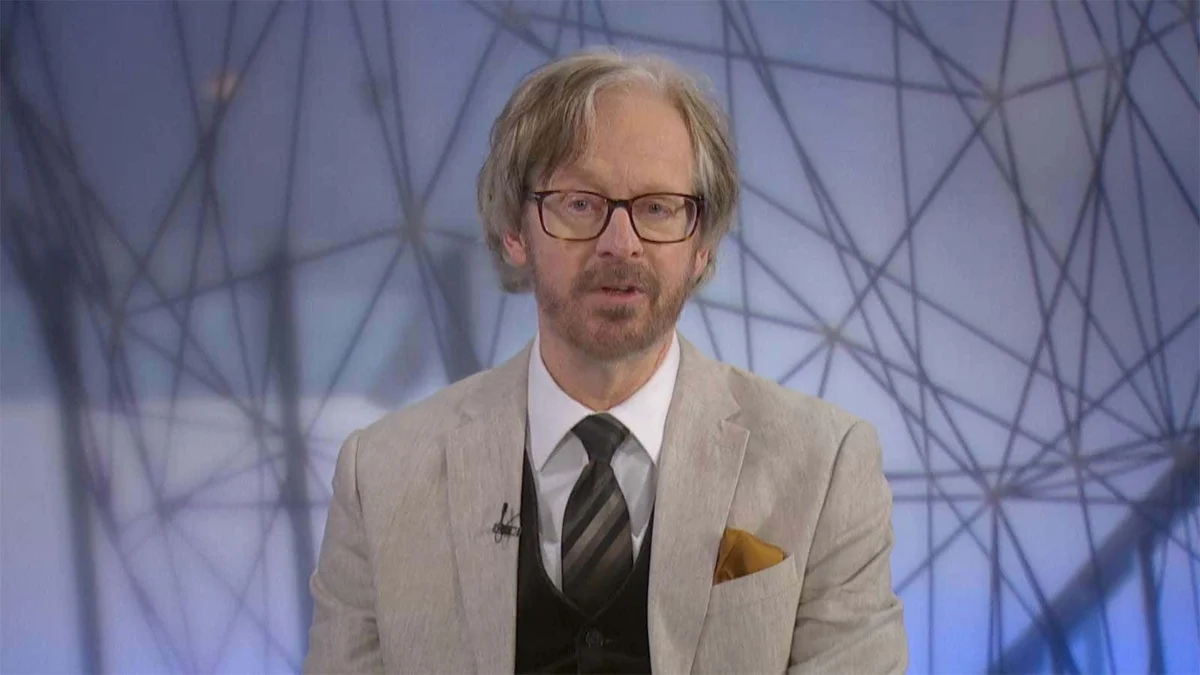
In the final installment of the "Beyond Diagnosis" series, produced in partnership with the Cleveland Clinic, hematologist Dr. Sandra Mazzoni and host John Mangels delve into the often-overlooked necessity of empathy, the mechanics of preventing physician burnout, and the urgent need for a shift in how medical education prepares the next generation of doctors to deliver life-altering news.
The Evolution of a Physician’s Perspective
The relationship between a hematologist and a multiple myeloma patient is unique in medicine. Unlike acute illnesses that are resolved or managed in a short window, multiple myeloma patients remain under the care of their hematologist for the duration of their lives.
Dr. Mazzoni, reflecting on her own professional evolution, admits that her early career was defined by a narrow focus on data. "When I started doing this, I don’t think I listened enough," she explains. "I’ve learned to talk less, listen more, and choose my questions more wisely."
This shift in practice highlights a critical realization: physicians are often conditioned to prioritize symptoms, lab results, and therapeutic interventions. However, Dr. Mazzoni emphasizes that if a doctor does not allow space for a patient to express the difficulties of their daily life—difficulties that may have nothing to do with their cancer—the physician risks missing the "human context" that is essential for effective treatment.
Chronology of Care: From Diagnosis to Long-Term Partnership
The care journey for a multiple myeloma patient is rarely linear. It is punctuated by critical decision points, including initial diagnosis, the selection of therapeutic regimens, the management of treatment side effects, and the eventual navigation of end-of-life or comfort-focused care.
The Diagnostic Phase
At the onset, the physician’s role is to provide clarity while managing the shock of a life-changing diagnosis. Dr. Mazzoni notes that this is where the foundation of trust is built. By treating the patient not as a series of clinical variables, but as a person, the physician begins to foster a "resilience" that serves both parties throughout the treatment arc.
Navigating Treatment and Side Effects
As the disease progresses, the conversation shifts to balancing therapeutic efficacy with quality of life. This requires the physician to be an observer as much as a listener, picking up on non-verbal cues that suggest a patient may be struggling with the emotional or physical toll of their medication.
The Transition to Palliative Focus
Perhaps the most difficult phase is the transition toward comfort-focused care. Dr. Mazzoni emphasizes that this does not mean the physician abandons the patient. Instead, it is a collaborative process where the physician, having shared years of history with the patient, helps them transition their goals of care. "I still want to remain a part of their care," she says, "but we also have to bring in more additional resources."

The Weight of Empathy: Managing Burnout
The emotional burden of treating patients with chronic, often terminal, illnesses is immense. Physicians are frequently taught to maintain a degree of professional detachment, yet Dr. Mazzoni argues that this is nearly impossible in the context of multiple myeloma.
"I treat them as if they are my father, my mother," she says, describing the deep, familial bonds that form over years of treatment. However, this level of connection necessitates robust self-care strategies.
The Science of Compartmentalization
Dr. Mazzoni outlines a framework for balancing professional empathy with personal well-being:
- Awareness of Thresholds: Acknowledging that every physician has a stress limit.
- Intentional De-stressing: Prioritizing sleep, physical exercise, and family time as non-negotiable health pillars.
- Controlled Integration: While she admits to a "bad habit" of logging in at night to manage administrative tasks, she views this as a way to "de-burden" the next day, ensuring that she is fully present for her patients during clinic hours.
- Peer Support Systems: The importance of having colleagues who act as emotional check-points. A simple text or call from a trusted peer can prevent the isolation that leads to professional burnout.
Bridging the Gap in Medical Education
A central theme of the discussion is the disconnect between the clinical training provided in medical schools and the reality of the patient-doctor relationship.
Dr. Mazzoni points out that current curricula often rely on simulations or scripted interactions with paid participants. While these tools serve a purpose, they lack the raw, unpredictable, and high-stakes nature of real-world patient encounters.
The Case for Real-World Exposure
To produce better-prepared hematologists, medical education must evolve to include:
- Observational Training: Third and fourth-year medical students should be encouraged to shadow experienced oncologists during sensitive conversations, such as those regarding hospice or the exhaustion of treatment options.
- Empathy Training: Encouraging students to reflect on their own life experiences to understand the roots of empathy, rather than relying on a "robotic" or purely clinical approach.
- Clinical Communication: Moving beyond the textbook to demonstrate how to handle grief—both the patient’s and the physician’s own.
Implications for the Future of Oncology
As medicine advances, the field of multiple myeloma is becoming increasingly "exciting" due to a wave of new therapies that may soon offer curative options for standard-risk patients. However, Dr. Mazzoni warns that the "all-star" status of any specific disease in oncology is temporary. What remains constant is the human need for a consistent, compassionate partner in care.
The implications for hospital administrators and educators are clear: if the goal is to provide high-quality care, institutions must invest in the mental health of their physicians just as they invest in the latest medical technology. This includes creating cultures where doctors are allowed to express their own grief, share the emotional weight of their work, and receive the support necessary to maintain their empathy over a long-term career.
Summary of Key Insights
- Listen More, Talk Less: The most critical diagnostic tool is often the patient’s own narrative.
- The Power of Resilience: When patients are empowered with knowledge, their resilience increases, which in turn benefits the provider.
- Professional Integrity: Empathy and clinical decision-making are not mutually exclusive; they must be balanced through honest self-reflection and peer support.
- Curricular Reform: Medical training needs a transition from simulated "scripted" encounters to meaningful, mentored exposure to the realities of end-of-life and chronic care conversations.
As Dr. Mazzoni concludes, the career of a hematologist is not merely about managing blood markers; it is about the long-term commitment to human beings. For those who choose this path, the reward lies in the depth of the relationships formed—a testament to the fact that, even in the face of complex disease, the most powerful medicine remains the human connection.