









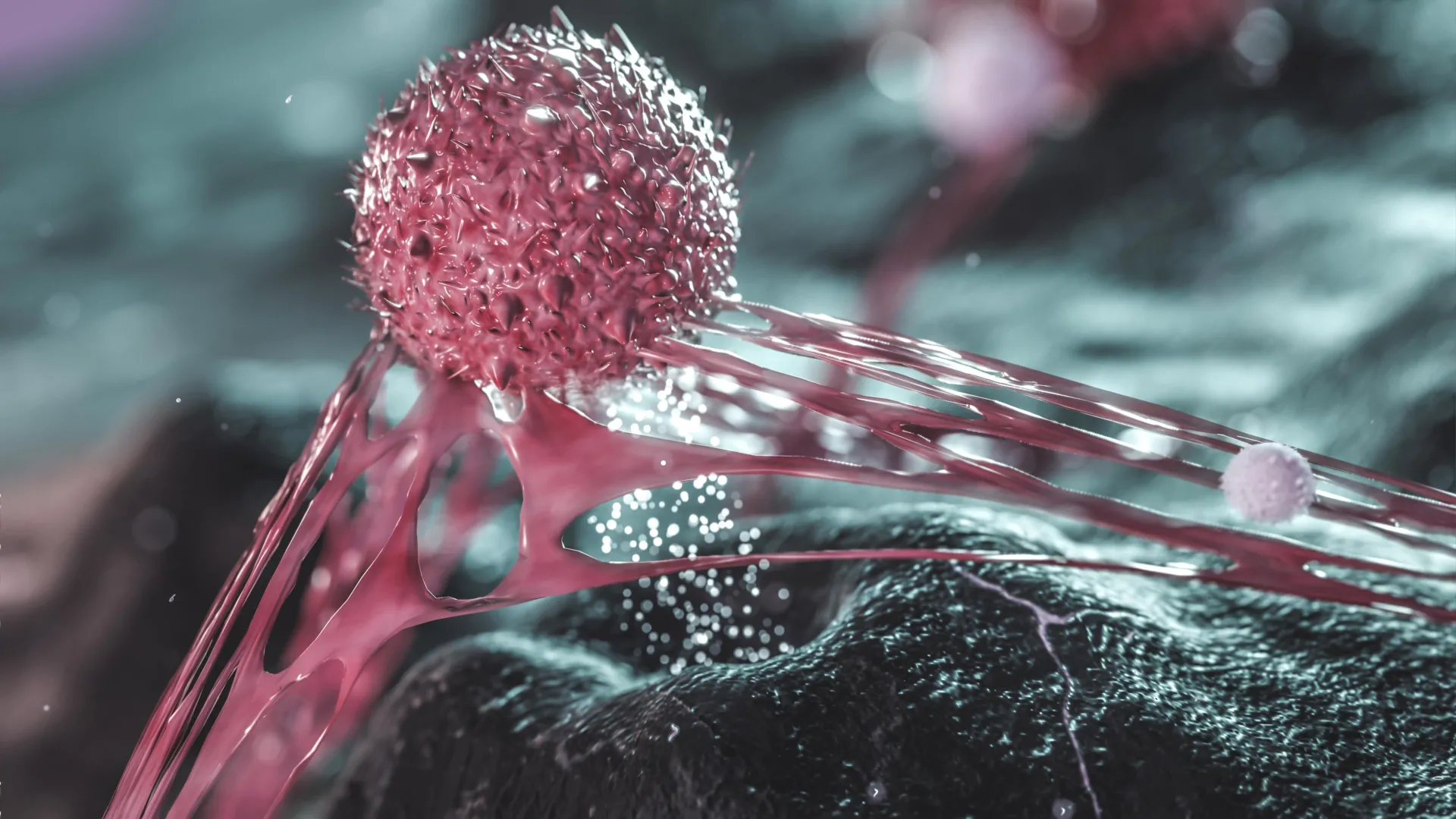
In a landmark study that shifts the paradigm of cancer research, scientists at The Wistar Institute have uncovered a chilling biological mechanism: the same sugar found in common soft drinks and processed foods may act as a chemical beacon, signaling aggressive ovarian cancer cells to spread throughout the body. The findings, published in the prestigious journal Nature Aging, illuminate a previously mysterious process where cancer cells that survive initial chemotherapy actively “recruit” their neighbors to migrate and colonize new tissue, effectively driving the metastasis that accounts for the vast majority of ovarian cancer-related deaths.
The Persistence of the Invisible: Main Facts
Ovarian cancer remains one of the most formidable challenges in modern oncology. While the vast majority of patients exhibit a robust initial response to platinum-based chemotherapy, the disease is notoriously prone to recurrence. In roughly 90% of cases, the cancer returns and spreads—or metastasizes—throughout the abdominal cavity, a process that is frequently fatal.
For years, the medical community has struggled to understand why these recurrent tumors appear even after aggressive treatment. The Wistar Institute study provides a critical piece of the puzzle. Researchers identified that chemotherapy-surviving cancer cells, while no longer dividing, remain metabolically and biologically active. These “senescent-like” cells function as a hidden communication hub, releasing a complex mixture of signaling molecules that fundamentally alter the behavior of nearby, dormant cancer cells, inducing them to abandon their current location and spread.
The most startling discovery is the role of fructose in this process. The study identifies fructose not merely as a fuel source, but as a potent intercellular signal that orchestrates the metastatic cascade.
A Chronological Breakdown: From Observation to Discovery
The journey to this discovery began with a simple but profound observation: the substance released by surviving cancer cells was more dangerous than the cells themselves.
Phase 1: Isolating the Signal
Led by postdoctoral fellow Aidan Cole, Ph.D., in the laboratory of Dr. Katherine Aird, the team developed an innovative experimental model. They meticulously separated chemotherapy-surviving cells from their environment to collect the secretome—the collection of molecules released by these cells. When they exposed naive, non-metastatic cancer cells to this “molecular cocktail,” the cells began to exhibit significantly increased migratory behavior. This proved that the spread was being driven by chemical signals rather than direct contact.
Phase 2: Identifying the Culprit
With the existence of the signal confirmed, the team utilized high-throughput analytical methods to screen for the specific molecule responsible. Through a process of elimination and metabolic profiling, they identified fructose as the key agent. The researchers found that surviving cells were actively producing and secreting fructose, which then acted upon neighboring cells to facilitate their escape.
Phase 3: Testing the Dietary Connection
The team then moved beyond cellular communication to look at environmental factors. They found that even in the absence of chemotherapy, high levels of dietary fructose—mimicking the concentrations found in standard sugary beverages—could trigger the same metastatic pathways. This bridge between systemic nutrition and tumor progression provides a new, potentially modifiable risk factor for patients undergoing cancer treatment.
The Mechanism: Why Fructose Matters
To understand how a simple sugar could trigger such a complex physiological response, the researchers utilized a CRISPR-based screen to map the genetic interactions within the neighboring cancer cells.
They discovered that fructose acts as a disruptive agent that inhibits the production of cholesterol within the tumor cell. In a healthy or stable cancer cell, cholesterol serves as a vital structural component—a type of “biological glue” that keeps cells anchored to their neighbors.
When the fructose signal from surviving cells reaches the neighbors, the resulting dip in cholesterol causes these bonds to disintegrate. Without the structural integrity provided by cholesterol, the cancer cells lose their adhesion, detach from the tumor mass, and gain the motility required to infiltrate surrounding tissues. This discovery offers a clear, mechanistic explanation for how dietary or metabolically-produced fructose directly facilitates the metastatic process.
Official Responses and Clinical Implications
The implications of this research are vast, particularly given the prevalence of fructose in the modern Western diet. However, the researchers are careful to urge caution regarding immediate lifestyle changes or medication adjustments.
The Statin Paradox
One of the most complex findings in the study involves the use of statins—a class of drugs taken by nearly 39 million Americans to lower cholesterol. Because the study found that lower cholesterol levels facilitate cancer cell detachment, the research raises urgent questions about the potential for statins to inadvertently assist in the spread of cancer.
“We haven’t tested this effect in patients yet, but it raises questions about combining cholesterol-lowering drugs with chemotherapy,” explained Dr. Katherine Aird, senior author of the study and professor at the Ellen and Ronald Caplan Cancer Center. “This is particularly pertinent because ovarian cancer is most common in postmenopausal women, a demographic that is frequently prescribed statins.”
Despite this, Dr. Aird and her team emphasize that patients currently on statins should not discontinue their medication. The study was a preclinical analysis, and the clinical reality in humans is far more nuanced. Discontinuing prescribed heart medication carries immediate, well-documented risks that far outweigh the speculative risks of cancer progression until further clinical trials are conducted.
Future Research and Scope
The researchers are already looking toward the next phase of investigation, which will focus on the universality of this mechanism. If fructose acts as a universal signal for tumor metastasis, the implications could extend to other cancers that spread within the torso, such as pancreatic, colon, and liver cancers.
“We think other cancers could behave similarly,” Dr. Aird noted. “We can’t call it universal yet, but we think the effects are not just limited to ovarian cancer.”
The Wistar team is currently planning a series of follow-up studies to test whether these findings hold true across diverse cancer types and to investigate whether specific dietary interventions could eventually be integrated into standard oncology care protocols.
Implications for Public Health and Oncology
This study marks a turning point in how we perceive the relationship between diet, cellular metabolism, and cancer survival. Historically, nutrition has been viewed as a supportive aspect of cancer care—a way to maintain patient strength. This study suggests that nutrition may be a direct, active participant in the biological progression of the disease.
1. Dietary Choices as a Potential Tool
While the medical community waits for clinical validation, the identification of fructose as a metastatic signal provides a compelling argument for public health initiatives. Given that high fructose corn syrup can account for up to 20% of daily caloric intake in some populations, the study underscores the necessity of analyzing the "metabolic environment" of a cancer patient.
2. Refining Chemotherapy Protocols
The discovery that chemotherapy-surviving cells are essentially "toxic" signaling hubs suggests that future treatments may need to target these dormant cells specifically. If clinicians can neutralize the secretome of these survivors—or block the uptake of fructose signals—they may be able to prevent the metastatic cascade before it begins.
3. A New Framework for Drug Interactions
The caution regarding statins serves as a reminder of the complexity of patient physiology. As cancer research moves toward a more personalized, metabolic-focused approach, the interaction between common chronic disease medications and cancer treatment will require increased scrutiny.
Conclusion
The research from The Wistar Institute is a profound reminder of the interconnectedness of human biology. By identifying fructose as a hidden, dangerous signal in the progression of ovarian cancer, Dr. Aird, Dr. Cole, and their colleagues have opened a new front in the war against cancer. While the road from the laboratory bench to the patient’s bedside is long, this discovery provides a clear, actionable target for future therapies and underscores the vital importance of understanding the metabolic signals that fuel the world’s most aggressive diseases.
As the team continues their follow-up studies, the scientific community remains hopeful that this breakthrough will eventually translate into better outcomes, more precise dietary guidance, and ultimately, a world where cancer’s ability to hide, survive, and spread is fundamentally diminished.